This is a private site
and has no professional
funding or connections.
It is entirely edited in
my own time at my
own expense.
FAMILY NAMES
Some of the
associated names in
this
family group
SKARRATT
SKAROTT
SCARRATT
SCARRETT
SKERRETT
SCARROT
SKARRETT
SKIROT
SKARRATTS
SCARRIOT
SKARROT
and more
My Grandfather Bill
Thanks to the Local Records Offices & their staff for all the help they give me.
INTRODUCTION TO SITE
Most of us at some time have thought about
our ancestors, some of us do try and find out more information about
them, there are even some who spend some time researching our family
history.
If like me you found that a simple search for
an ancestor entailed negotiating a maze of information from scattered
sources, often ending in little if any success, you will be interested
in the following.
I decided it was about time all known
information world-wide was placed in one place. Little did I know what I
had started, it seems that I became the catalyst for a major work of
genealogy.
The situation so far is that this website is to be set-up to form a focus for all Skarratt and soundex families.
Our aim is to bring all the related family
material together including family trees, historical and
biographical info and make it accessible to any family member. Of
course security of the info will be a priority, the info gathered will
not be used for any financial gain either by the organisers or any other
person, family or not.
I have been a member of Ancestry since Jan 2006.I have used Ancestry for a lot of
the information on this site, and that combined with my own
research is a compilation of all these details from a multitude of places collected over 20 years.
All material sources will be acknowledged and all copyrights cleared. If I do slip up please let me know.
We already have a wealth of information on
various sections of the family history. One man has given
permission for all his collected family trees collected in over 40 years
research to be included. It mainly covers Australia but also has some
UK content. An American has American trees to include that she has
gathered over many years. There are also people specialising in
small areas, like a lady from Virginia, USA who has info to contribute.
My first taste of researching the family actually came with the Guild of One-Name Studies. A lady, Rosemary, was the Skarratt researcher. I was amazed at the amount if information she had gathered.
So if you have a similar name to search, I advise you to go to their website and see if your family name is listed. Unfortunately the Skarratt name is no longer listed.
So if you have any information please contact
us and help us make this site the only dedicated family history
required by anybody interested in the family name.
I have amassed more information on the Skarratt families. To this end I have included them in a small booklet that I assembled
especially only for Skarratt Family associated with my family connection. If you are genuinely interested and are connected
to the family, let me know and perhaps I can assist you with more info.
Thank you Colin Pike (Skarratt) UK
Research into Skarratt etc. families
I have been trying to find connections
between the families in London. There seems to be a main settling
of families in the East of London, St Pancras, Stepney and
Finsbury. I have traced one family from London to Hereford and then to
Australia with info provided. One problem is that the name
Skarratt is often recorded as in the above family as Scarratt or
Scarrott. These variations are endless and only by studying families
their Churches and areas is it possible to achieve some links.
One example of the proliferation of names is even displayed in one family group:
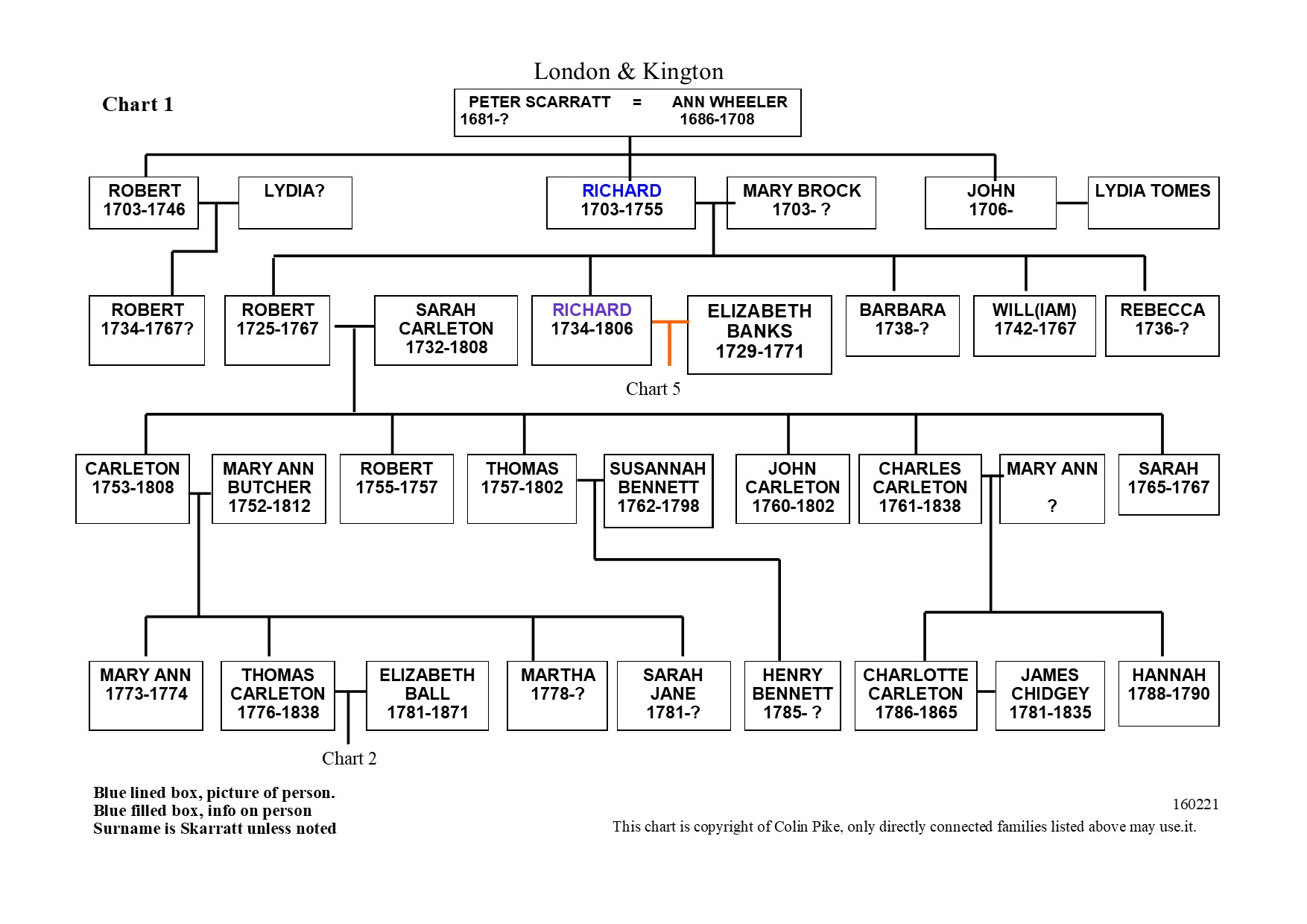
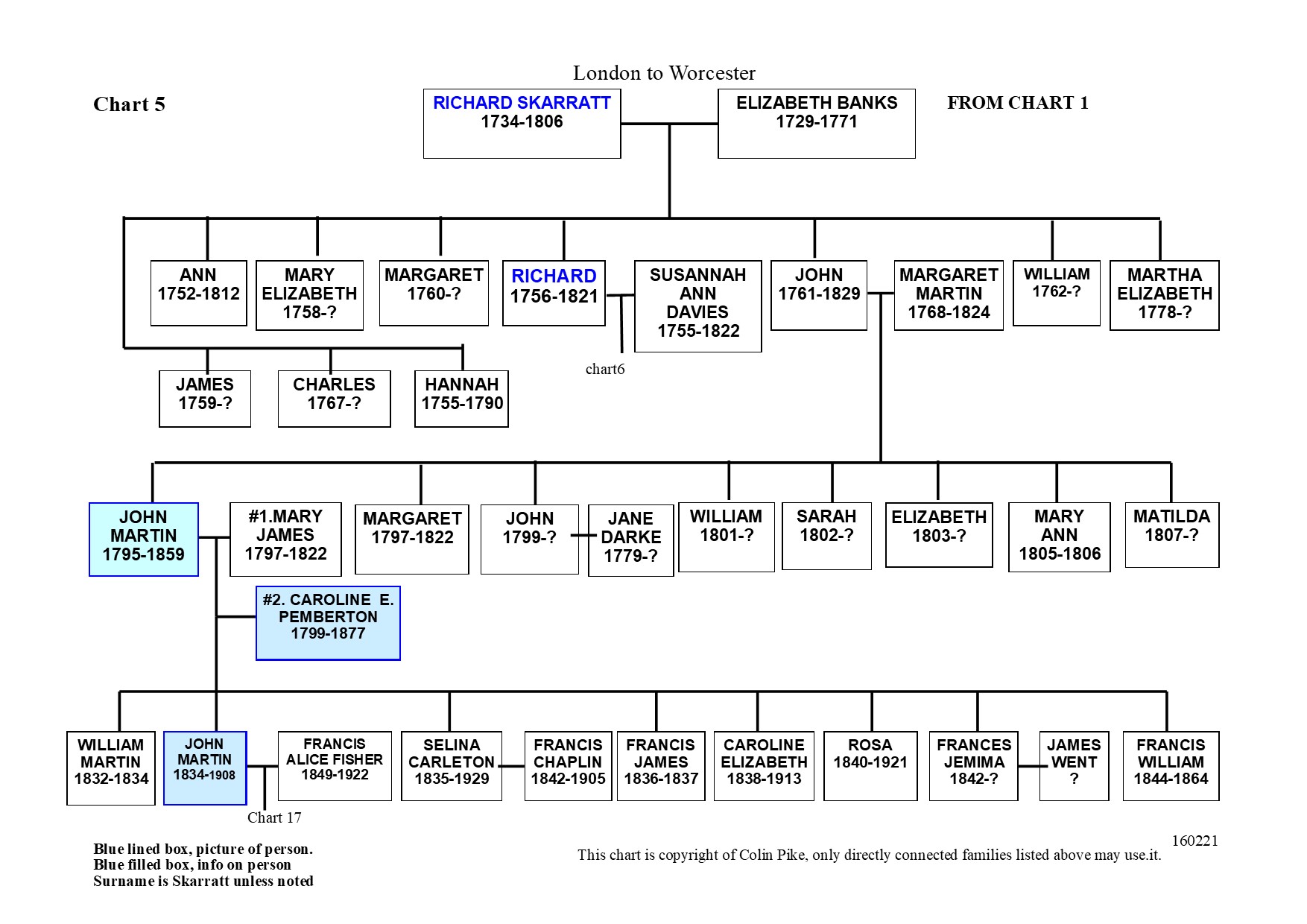
Richard
Skarratt b.c. 1734 . m Elizabeth
children.: Hannah Skarret
Richard Skarratt
Mary Scarriot
James Skarrad
John Skarratt
We have four
variations listed for the same family! No doubt the people involved new
their name, but nobody
seemed to
understood them when they had to use it. There are of course many
reasons that can be put forward
for the variation, but this is only to illustrate the variations.
My own GGF
appears in the 1881 census as Skairatt ! No wonder I had trouble
finding him.
The LDS gives family groups and the streets they lived in, sometimes other families as neighbours.
Latest information -- ongoing research & queries
Although there are One Name Sites, which everybody should
refer to, there is still interest from individuals about there origins
and some of them pass on points of interest which I feel should be
included in this catch all site.
Perhaps somebody out there has prepared pages that I could fit into site with info on their family name etc.
More watches are coming to light, see below in watch section.
Does anybody know where the Skarratt stone is in the Sheffield area?
Latest info received indicating location, thanks to Adrian
Skerrett.More info has arrived and I will add it to the Kington Site.
I managed to get the Hereford Museum
to find Henry Carleton Skarratt's "Gas clock". I have taken pictures of
it, and also discussed with several people its method of working,
which is not obvious from the state it is in at present.It is now in the Kington Museum
CARLETON CONNECTION?
One family of Skarratts has the name Carleton running through it,
and while researching them I have tried to find the reason for this
inclusion. The first time I can trace the use of the name is for
Carleton Skarratt, born in 1754, in London. One train of search is that
it may have been his mother's maiden name, quite common in that era, but
I have found out her name to confirm this. But as with all
genealogical research it has taken me on a long winding road. The living
members of this family have told me that a family bible in their
possession was originally handed down from a Carleton family member, a
daughter supposedly. To add to my knowledge I contacted Lorna Carleton,
whose book 'The Carleton Collection' is a definitive work on the
Carleton family of Penrith etc. This has provided me with some
interesting leads to follow, but also by way of interest has lead me to transfer her book on to
CD for her , this makes it less costly to produce than short print runs.
My research has led me to Croft Castle, Worcester, Hereford and other
areas but I still have not confirmed a Carleton connection, so if you
know of one let me know. Harrison, Croft, Carleton, Pemberton, Skarratt,
there is a link somewhere out there somewhere.
This second Carleton connection through the bible (see above)by coincidence has somehow ended up in the hands of another Skarratt by marriage
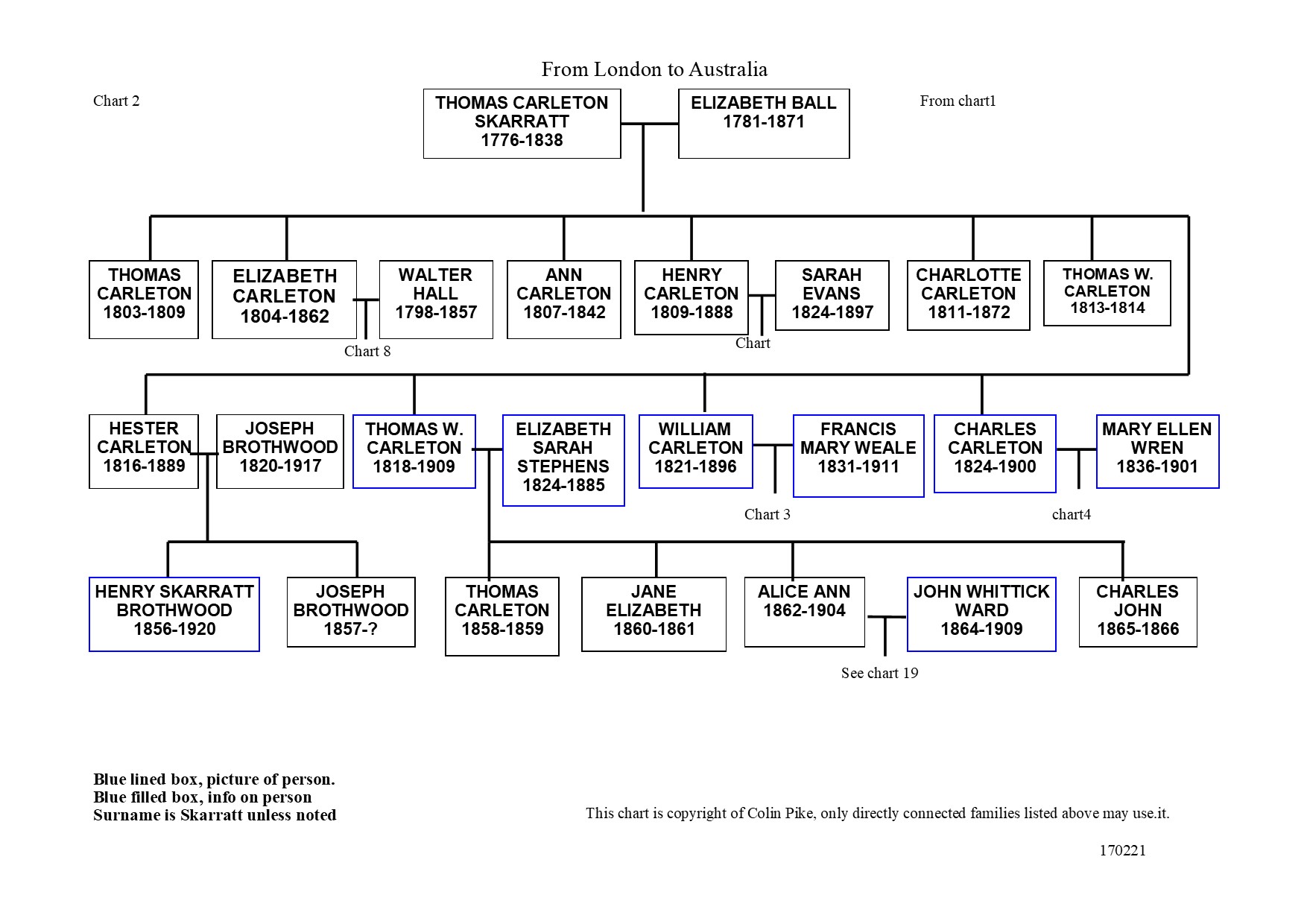
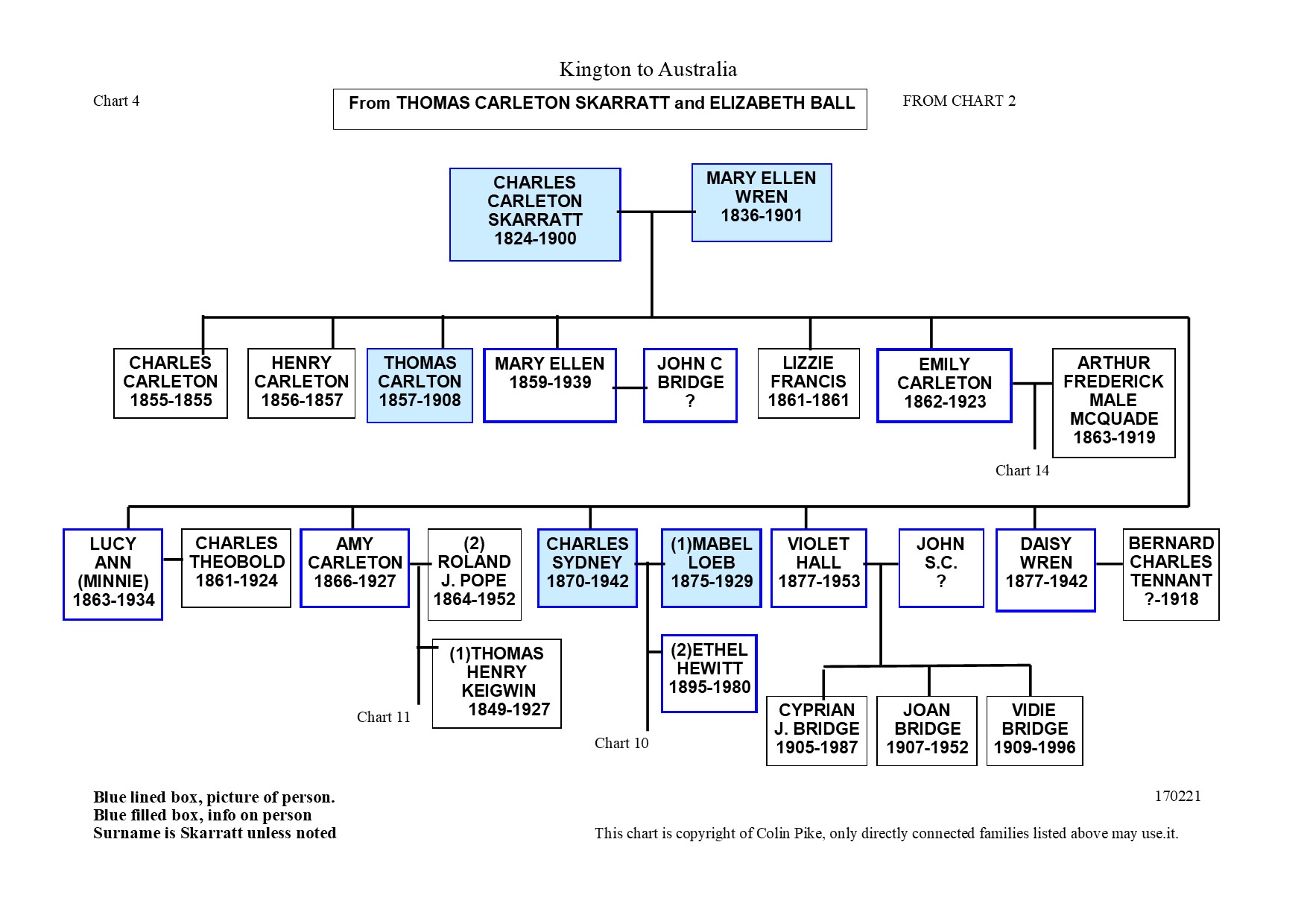
I have drawn up the chart below to try and follow the trail but gaps remain.
CHURCHES
The following are notes on some of the churches that have connections with Skarratt families.
For many generations of Skarratts this church in the City of London has been their focal point
St Giles Cripplegate Church
The first reference is the building
of what may have been only a shrine in 1090 by Alfune who
was a friend of Rahere (See St Bartholomew the Great). The first
reference to the church is a grant by Ælmund to the canons of St Paul's
Cathedral of his church of St Giles, built outside the walls, in
the time of Henry I (1100-35).
The dedication is to a saint,
born in Athens of royal parentage. Around 666 AD during a
hunt, a hind took refuge from dogs in the cave where the saint was
residing in solitude.
The saint prayed and prevented the dogs from gaining
access. The hind survived and provided the saint with sustenance, St
Giles is the saint of maternity. The hind is a symbol of the saint and
one is depicted over the door.
'S Giles of Cripplegate' was mentioned
during the 13th century. The origin of Cripplegate is hotly debated;
Harben considers that the most probable origin was from the Anglo-Saxon
'crepel', a burrow or 'crypele', a den and denoted the long underground
narrow or covered way leading to the gate. Another view id that more
cripple gathered at this particular gate than any of the other gates of
the city.
The first known church was built during the
14th century on ground outside the gate close to where the Walbrook ran
under the London Wall. It was damaged by fire in 1545 and the London
Chronicle has the following report: "The xil day of September,
Satterday, in the mornyng, above five og the klocke, was Saynt Jyles's
Churche burned, belles and alle, wtout Crepellgate."
The church was rebuilt and Strype wrote that
the church was "very fair and spacious." It survived the Great Fire and
Joh Milton was buried in the churchyard in 1674. Between 1682 and 1684
the top of the tower was raised, and cased in brick by John Bridges.
The parish of St Giles was a populous parish, and
the Commissioners for the Fifty New Churches Act [1711] proposed to
build three churches within the parish. Ultimately only one new church
was built - St Luke's, Old Street.. In 1791 the roof was raised and two
additional bays added to the celerestory, in 1885 the south side was
refaced and castellated. Restoration work was carried out in 1897
following a fire. In 1903 the north side was refaced and matching
castellations erected. A bomb hit the building in August 1940 but it
remained usable until a fire destroyed the church in the November. The
church was fully restored by Godfrey Allen as the church of the Barbican
development, it was reopened in 1960.
Shakespeare attended the church in 1607 for
the baptism of his nephew. In the last week of August 1665 there was 600
deaths due to the plague and records show over 8,000 people died in the
parish. According to Stow "There was also a bosse of clear water in the
wall of the churchyard, made at the charge of Richard Whittington,
sometimes mayor, and was like to that of Billingsgate. Of late the same
was turned into an evil pump, and so is clean decayed." This water
source may have contributed to the high death rate in the parish during
the plague.
The records for the church are located in the
Guildhall Library and there is a partial index to baptisms and marriages
in the IGI. Baptism: 1561 to 1961; Marriages: 1561 to 1953; Burial 1561
to 1535
KEMSING, St Mary the Virgin.
Located in Kent just north of Sevenoaks is the small village of Kemsing and its village church. The church was the parish of Rev. T.C. Skarratt
from 1889 -1908 and he was responsible for
improving the fabric of the church including the following windows:
East window: 3 lights. Christ in Majesty by Comper. 1902. Rev T.C. Skarratt in memory of his mother.
Sanctuary North Wall: 2 lights in frame inserted 1891. The visitation, by Comper about 1902. In memory of Elizabeth hall.
West window: 2 lights. The Annunciation, by Comper. 1911. In memory of Rev T.C. Skarratt from his sisters.
North Aisle: 2 lights. ss. Thomas & Richard, by Comper. 1911. in memory of Rev. T.C. Skarratt, from his friends.
Buried at Kemsing are:-
T.C.Skarratt 1857-1908,
Amy Carleton Skarratt 1866-1927,
Charles Carleton Skarratt 1824-1900,
Daisy Wren Skarratt 1877-1942,
Emily Carleton Skarratt 1862-1923,
Lucy Anne (Minnie) Skarratt 1863-1934,
Violet Hall Skarratt 1877-1953.
Old Radnor, Powys
Old Radnor church, famous for its organ screen, stained glass,
font, and is also in a beautiful setting. This is the site of the graves
of:
Alice Ann Ward, nee Skarratt 1862-1904 and .....Elizabeth Sarah Skarratt nee Stephens 1824-1885.
St Mary The Virgin, Kington, Herefordshire. The home town of a branch
h of the Skarratt family in
the 1800 & 1900's. Several members were Wesleyan church members. The
following are buried in St Mary churchyard or the separate graveyard
outside Kington.:
Ann Carleton Skarratt 1807-1842,
Charlotte Carleton Skarratt 1811-1872,
Jane Elizabeth Skarratt 1860-1861,
Thomas Carleton Skarratt 1776-1838,
Thomas Carleton Skarratt 1803-1809,
Thomas W Carleton Skarratt 1813-1814,
Thomas Carleton Skarratt 1818-1909.
Thomas Carleton Skarratt 1858/9
CONNECTIONS
scarrott@one-name.org
SCARROTT
Glyn Hatherall
www.kaysheritage.org.uk
The story of Kays Catalogue Co.- and its Skarratt connections
Bernard Mills
CREST
Information on the origins and description of this crest
The validity of this crest has come into question regarding use by certain Skarratt families.
The similar coat of arms showing two squirrels was adopted by
Skarratt family of Thomas Carleton Skarratt. The coat of arms can be
found in Kemsing church, attributed to Thomas Carleton Skarratt but he
did this to be accepted as gentry. Instead of applying to the
College of Heralds they proceeded to make one for themselves. The
nearest they could discover for a Skarratt was an Irish family of
Skarreth (Skerrett) from Finvara, Co. Clare. Legitimate Skarreth
shield is green field on which were a gold chevron and three gold
squirrels. T.C.S modified it to two squirrels!
References "Burkes General Armorial and relative information of England, Ireland and Wales" 1884
Royal Book of Crests p.366 (Skerritt and Squirrel)
Actual entry from above Burkes Gen. Armorial etc:
Skereth (co.Galway; Reg. Ulster's Office). Vert a
chev. betw. three squirrels sejant cracking nuts or.
Crest-A squirrel cracking nuts. or.
Another coat--Ar. three squirrels pass. in pale gu.
Crest A squirrel cracking a nut gu.
Skerett (co. Devon) Or a chief indented sa.
Skerit (Petertavy, Tavistock, and Buckland
Monachorum, co. Devon; Edward Skerit, of Petertavy, Visit. Devon, 1620,
son of John Skerit, of Tavistock, and grandson of Thomas Skerit, of
Buckland). Or a chief indented sa.
TRADE DIRECTORIES
.........
s = SLATERs
p = PIGOT & DEAN DIRECTORY
b = BENTLEYS
ld= London Directory
kd=Kents Directory
Manchester / Salford
Skarratt.
Periodical book seller 2
London Place
No.5469
1824/5
p
Skerrett John .Blacksmith,7 Owen’s Court, Bridgewater St
Stockport War Memorial . Location: Wellington Rd and Greek St, Stockport, Cheshire.
Manchester Regiment (1914 - 1918)
G.F. Skarratt
"
The Guards (1914 - 1918)
W. Skarratt
"
Lancashire Regiments (1914 - 1918)
Alber Scarratt
Hadfield War Memorial, Location: Station Road and Railway Street, Hadfield, Derbyshire.
IN GRATEFUL MEMORY OF THOSE WHO GAVE THEIR LIVES FOR KING AND COUNTRY IN THE GREAT WORLD WAR 1939 - 1945
.
William C. Scarratt
"
.
James A. Skerratt
Congleton
1916
Noel Skerratt
"
1942
Jack Sherratt
"
1942
I Sherratt
Macclesfield War Memorial
.1914 - 1918
Land Forces WW2
Name
Regiment
Born
Died
Edward A.Scarrott, Private
East York Regt.
Gloucestershire
Nth Africa 6/4/43
Robert Skarratts, Corporal
Lancs Fusiliers
Liverpool
India. 7/5/45
Sidney Skerratt, Lance Corporal
Green Howards
Manchester
UK, 30/7/40
Ernest J. Skerritt, Fusilier
Royal Welch
London
Burma, 23/3/43
Lawernce A. Scarrott, Corporal
Queens Royal West Surrey
Surrey
France & Belgium Campaign 21/5/40
Roy J Skerrett, Corporal
Devonshire
Devon
at sea 2/7/40
====================
Michael Carleton Skarratt and crew of 460 Sqdm
During World War II the plane piloted by M.C.Skarratt was shot down and the crew killed.
Below is a short account of the flight etc and comments from relatives and friends.
For more details go to <http://www.ozatwar.com/460sqdn.htm> or email Peter Dunn <pdunn@st.net.au>
The crew were from the 460 (RAAF) Squadron. The
aircraft was AVRO Lancaster B.III. Codes were PB 255 AR-X and the base
was at Binbrook, Lincolnshire. Details of the crash supplied was that
the aircraft was underway to its target in Germany when it was
intercepted by German fighters or nightfighters above the province of
North-Limburg, the aircraft was badly damaged so the pilot decided to
turn back to his base in England. Sadly above Oostelbeers the aircraft
exploded and crashed in the woods.
The crew were all KIA on 24/12/44 and are buried
in Oostelbeers Roman Catholic Churchyard, Netherlands. Oostelbeers in a
small village 13 kilometres north west of Eindhaven.
“I have a photo of the gravesite of the 7 crew
killed and a photo of the crew minus Newman who it was believed took the
photo” Sue McDonald
The crew were:-
F/O Michael Carleton Skarratt RAAF (Pilot)
F/O John Michael Ward RAAF
Sgt. Thomas Charles Newman RAF (VR) The only English member.
F/Sgt. Robert John Dickie (my uncle) RAAF (Navigator)
F/Sgt. Russell Ian Stewart RAAF
F/Sgt. Graham Fowler Day RAAF (Mid Uppergunner)
F/Sgt. Cyril Keith Deed RAAF (Reargunner)
Of 11 crews that went out that night they were the only ones that did not return.
"G" for George at the Museum in Canberra.
“What an awesome piece of machinery. From what I
gather back then they were kids with so little experience raiding
airspace that wouldn't be heard of today. I don't know many 18-21 year
olds that would have the guts those blokes did back then. Do you? I have
so much admiration for them. Cheers to you and is father in law still
with us? I'd love to hear his stories.”
“My uncle's name was Robert Dickie and he was
from Dunkeld, Victoria. The only son of 5 children. My parents live in
Hamilton, Victoria which is about 3.5 hours drive from Melbourne (where I
reside) and 30km's from Dunkeld. She has a few photos tucked away. My
cousins were in Holland earlier this year and visited the gravesite
where my uncle and the rest of the crew are buried.
I believe M.C. Skarratt was one of the crew and are buried .Also do you know how many medals MC Skarratt received?” Sue.
We are unable to locate any relatives of the Deed family to complete his file.
Contributions from;-
Sue McDonald
Andy & Tony Newman
Peter Dunn
INDIVIDUALS
MY GRANDFATHER,
WILLIAM SKARRATT
.
.
This is the tablet on the Naval War memorial in Chatham which has my Grandfather's name, Skarratt W. embossed on it.
I never met my Grandfather and this was a very emotive moment for me to see his name on the memorial.
If you lost family in the wars in naval service this is where there name will be.
"Death of Honour"
William Skarratt. R.M.L.I.
Died 22 Sept. 1914
serving on H.M.S. Cressy.
The P.R.O. at Kew have records of serviceman and copies of their records can be obtained
THOMAS CARLETON SKARRATT
Here is the top of the 'monument' over his
grave in Kemsing.
For more about Thomas
see page on Kington Skarratts.
This is the grave of Thomas Carlton Skarratt 1824 - 1900 in Kemsing Parish church, Kent.
He emigrated to Australia in 1854 from Kington, Herefordshire.
When he returned he was vicar at Kemsing until his death.
ORIGINS
Including:
Historical evidence for the name
Huguenot connections
Basque connections
Irish connection
Tribes of Galway.
The following notes on the names Scarrott,
Skerritt etc. were put together by Glyn Hatherall who would be very
happy to receive further ideas, evidence, ‘leads’, or comments from
readers. He can be contacted at Glyn@hatherall.org.uk or
scarrott@one-name.org Origin(s) of the name(s)
None of the ‘Sc’ forms appears in Hanks & Hodges or in Reaney .
(Patrick Hanks and Flavia Hodges: A Dictionary of
Surnames. Oxford University Press 1988). (From 'P.H.Reaney and R.M.
Wilson: A Dictionary of Surnames. University of Sheffield 1958 et seq.,
Oxford University Press 1995 {p.412})
Reaney, however, has an entry for the following
‘Sk’ forms: Skerratt, Skerrett, Skerritt, Skirrett, and offers two
etymologies:
(i) ‘from Skirwith’ (a village about 7 miles east of Penrith);
(ii) ‘a grower of white parsnips’.
Reaney’s entry contains the following:
(i) Eudo de Skirwiht: 1285 (Cumberland) .{Calendar of 'Inquisitiones post mortem for Cumberland} From Skirwith, formerly pronounced ‘Skerritt’.
(ii) Alice Skyrewhit 1327 (Essex) ; {Subsidy Rolls for Essex} Thomas Roger Skyrewyt 1332 (Surrey) ; {Subsidy Rolls for Surrey} John Skyrwhyt 1377 (Colchester). {Court Rolls of the Borough of Colchester}
Middle English skirwhit(e) is apparently
an alteration by popular etymology of Old French eschervis, a variant of
Old French carvi ‘carraway’, a species of water parsnip formerly
much cultivated in Europe for its esculent tubers
which were used for sauce or physic, cf. Skyrwyt, herbe or rote, c1440. {Promptorium Parvulorum} Metonymic for a grower of parsnips.
Skirwith as a Cumberland place-name is discussed
by Gelling who suggests that it may be a hybrid containing an Old
English first element (related to ‘shire’) plus the Old Norse second
element ‘vithr’ (meaning ‘wood’).
{Margaret Gelling. Place-Names in the Landscape. Dent 1984/1993 (p.222 and 229)}
Both linguistically and geographically, ‘Sk’ (i)
and ‘Sk’ (ii) may therefore be miles apart: the former of Old English +
Old Norse origin (suggesting a more northern location in England), the
latter wholly of Old French origin (suggesting a more southern location,
where Norman influence was strongest). If both (i) and (ii)
survived, we can therefore expect ‘Sk’ names today to have at least two
discrete origins. (The toponymic variant seems likely to have
produced more surnames than the rather specialised occupational one, but
whether such a hunch is borne out by today’s distribution of ‘Sk’ vs.
‘Sc’ forms is unclear: it appears to be the case that ‘Sk’ forms both
now and during the 19th century are more likely to occur in the north
than the south of England (investigation of the data needed!).
‘Sk’ versus ‘Sc’
I have no proof that the origin(s) of ‘Sc’ names
is (are) different from those beginning with ‘Sk’, i.e. the two forms
may in at least some cases be variants of the same surname: there is,
for example, much evidence of spellings in parish registers and census
returns switching from ‘Sk’ to ‘Sc’ and vice versa for the same
person. However, this also does not preclude the possibility of
further discrete etymologies for ‘Sk’ and/or for ‘Sc’ names — the
predictable process of coalescence over time simply makes the problem of
pinpointing etymologies that much more difficult.
Scarriott
In the Oxfordshire (mostly Charlbury) parish
registers, my own 19th century Scarrott forebears were generally spelt
Scarriott, and their lines certainly ramified. However, although
the Charlbury Scarriotts multiplied, the -iott spelling seems to have
died out: the last Scarriot(t) occurrences recorded at the General
Register Office (records began in 1837) are a male birth in 1902 and a
female death in 1915.
Although, across England, the -iott form is much
less common than -ott or -att or -ett in the parish registers (as
evidenced by IGI data), there are occurrences of -iott over a
sufficiently wide area to suggest that -iott may once have constituted a
discrete form. Furthermore, -iatt is apparently absent, i.e. the
lack of an -att vs. -iatt ‘contrastive pair’ suggests that with -iott
vs. -ott a distinction was perhaps deliberately being made to indicate
two distinct names.
Marriott
There are other names ending in -iott or -yott,
of which Marriott and variants (Merriott etc., leading to e.g. Merritt)
are the most common. One of the most likely origins for
‘Marriott’ is apparently ‘Mary’ + a diminutive ending, ‘-iot’ (Reaney p.299)).
Could we therefore, on the same pattern, be looking for a first element
+ diminutive ending as a possible origin of Scarriott? Certainly, the
name Scarr occurs, though, unlike Mary, not (as far as I have been able
to ascertain) as a forename. (Reaneyp.412) has
Sker, Skerr going back to Old Norse skarr ‘bright’, but for our purposes
perhaps a bisyllabic form such as ‘Scar(r)ey (whether as forename or
surname) + diminutive’ would be needed to match the ‘Mary + diminutive’
structure.
If we knew that Scarriott spellings were
documented sufficiently far back, it might be considering whether such a
surname in some lines originated as a nickname. There is apparently
evidence, incidentally, of many surnames of hypocoristic origin having
once had negative connotations.
Iscariot
It has been suggested that there may be a link
between the names Scarriott and Iscariot, as in Judas Iscariot.
Given that my early nineteenth century Scarriotts were illiterate and
that the parish priests or clerks (who would be very at home with the
name Iscariot) would have determined the spelling used in the parish
register, there is a chance that they inserted, by analogy, an
ostensibly missing ‘i’.
The etymology of Iscariot itself is not certain but may well be ‘man of Kerioth’, (Klaus Koch et al.: Bibellexikon, Reclaim 1987) ,
the name of two places in the Holy Land, one in Moab, the other in
Edom, the latter as in Joshua 15, 25: “And Hazor, Hadattah, and Kerioth
and Hezron, which is Hazor”. That the name Scarriott should have a
direct etymological link with the place-name Kerioth is hardly
conceivable. (Ironically, given the above citation, a Scarrott called
Hazor — which name I had assumed to be a spelling mistake — appears in
the parish register for Thame on 12 Jun 1913 as godparent to Sylvia Rose
Scarrott, daughter of Jason and Fanny! Perhaps Hazor is the same
person as Azar (GRO: Azer), baptised in Stow-on-the-Wold to Esau and
Anni on 30 Mar 1880.)
Huguenot connection?
In 1998 I was in touch with someone called
Schariot, a German speaker whose family was from Berlin. He was not sure
of the origin of his surname but thought there might be a Huguenot
link. Perhaps ‘Schariot’, since the first three letters are
pronounced SH, not SK, at least in modern German, links in with
‘Sharrat’ and ‘Sarrat’ and similar forms.
Basque connection?
John Scarrott, who at the time was Western
Australia representative in the Romani Association of Australia, once
told me he was sure that the etymology of his surname was explained by
the extracts quoted below from Francis Hindes Groome: Gypsy Folk Tales,
1899. John Scarrott wrote: “I found a book by George Borrow [where it]
was stated that ‘They usually come this way, the Kay Scarrotts’. I
wondered then — who are these Kay Scarrots? I found out in the end that
they were the tribe. The Kay really meant Kalderie or Kalderash! It was a
family that moved right round from Roumania through Europe and down
into Africa. They were prospectors. They get the sheepskins and let the
gold collect in that way. They come back through Spain... They went over
the mountains into France and back into England. Each journey took
about eight years... Caldarari means potmenders,
Kaldrash copper smith..”
From introduction to Gypsy Folk-Tales:Francis Hindes Groome, 1899
“...Ciboure, a suburb of St. Jean de Luz, is a
sort of Basque Yetholm. Like Yetholm it has largely lost its Gypsy
character. Its ‘Cascarrotac’ are supposed to be the descendants of
Gypsies who came from Spain two centuries ago but they are now mixed up
with the Basques of the neighbourhood, and have lost the last remnants
of Romani, though at the beginning of the century they retained a few
words... But Ciboure is still a regular halting-place of Hungarian
Gypsies, as appears from this passage in a very valuable article on ‘The
Cascarrots of Ciboure,’ by the Rev. Wentworth Webster (Gypsy Lore
Journal, October 1888, pp. 76-84)... “... Ciboure at present has little
or nothing to draw foreign Gypsies to it; but a hundred, two hundred
years ago, it was probably a genuine Gypsy quarter: then there would be
every reason why Caldarari should make it a regular
halting-place. This conjecture, if valid, suggests the antiquity of
these strange peregrinations; and Gypsies assuredly are the very
staunchest conservatives. Another guess is that at Ascain Gypsies very
likely are buried; that would fully account for their descendants
turning aside thus...”
M. Paul Bataillard was for years
collecting materials about the Caldarari, but he died without publishing
his promised monograph on the subject, so we must content ourselves
with these stray notes from his writings:— ‘The Gypsy Caldarari (as they
are called in the districts of Roumania where they are accustomed to
journey) have recommenced in our own days, throughout the whole of the
west, circuits which have led them sometimes as far as England, as far
as Norway, and sometimes, by way of France and Spain, as far as Corsica
and Algeria. France was during a certain time “infested” by them, to
quote the newspapers of the day, whilst I was rejoicing in the good luck
which had thrown them in my way... These exotic Gypsy blacksmiths
generally return to the country whence they came... They travel
sometimes in rather large numbers in waggons which have
no resemblance to the houses upon wheels of our Gypsies; and wherever
they stop they set up large tents, where each waggon finds its place.
The men have generally long hair, and clothes more or less foreign,
often ornamented with very large silver buttons; and the chiefs carry a
large stick with a silver head. It is easy to recognize them at a glance
by these signs, and by their trade... The journeys of these Gypsy
blacksmiths had already been noticed in Germany and Italy long before
1866...’
From: The Gypsies, Jean-Paul Clébert, 1963 (translation of Les Tsiganes, 1961):
Cascarrot...may be a corruption of caraco.
However, in the dictionaries of nineteenth-century argot one finds:
cascaret (miserable) and cascara (skin, peel). The connexion is not
impossible. In any case the Cascarrotes are attested in an interesting
way in the Basque Country: “...between Bayonne and Saint-Jena-de-Luz one
sometimes meets a troupe of young women going at a running pace and
carrying baskets on their heads; they wear a silk kerchief round their
heads, their necks are bare or have only a flowing neck-tie; compact of
figure, they wear a red skirt raised the length of two hands, and their
legs are bare; their eyes are black and their skin is bronzed. Who are
they? Are these the daughters of some ancient or wandering race,
Bohemians, Saracens or Moorish?” [Le Magasin Pittoresque, 1861] The
author cannot give the answer. But the name itself leaves no doubt:
it must refer to the Gitanes (and not to Gypsies in the sense of our
differentiation, for these would not be bare-legged).”
We need always to bear in mind (a) that surnames
coalesce, i.e. some with originally different spellings and origins come
to be written identically over time, and (b) that for most surnames a
‘multi-origin’ explanation is more likely than a ‘single origin’ one.
Presumably not all Scarrotts were Gypsies or travellers, so even if the
Basque source is valid for one group, other sources are needed for other
groups. Another source would presumably be Huscared/Scared etc., which
may have travelled from England to Ireland in the reign of Henry II
(where it became the name of one of the ‘Tribes of Galway’ — see
below), and later been carried back to England — a name attested well
before the first documented citing of Gypsies in the British Isles.
Irish connection?
The following was found at: http://www.wombat.ie/galwayguide/history/hardiman/
THE HISTORY OF GALWAY, PART I THE ANCIENT STATE OF THE TOWN, AND ITS CIVIL AND MILITARY HISTORY, TO THE PRESENT TIME. CHAPTER I.
The origin and signification of the name of Galway.
Opinions of Camden--Ware--Lynch--O'Flaherty, De Burgo and Vallancey--The
name derived from commerce--Security of the harbour--Supposed origin of
the bay--Derivation of its name--Inhabitants of the town before Henry
II.--Subsequent colonies, viz. Athy, Blake, Bodkin, Browne, D'Arcy,
Deane, Ffont, Ffrench, Joyce, Kiru)an, Lynch, Martin, Morriss and
Skerrett--Affiliated families--Former manners and character--Former
state and topography--Speed--Heylyn--Sir Oliver St. John-- Ancient Map
and Ichnography--References--Concluding observations [.....]
The new colonies, here alluded to, consisted of
several families, whose descendants, are known to this day, under the
general appellation of the "tribes of Galway," an expression, first
invented by Cromwell's forces, as a term of reproach against the natives
of the town, for their singular friendship and attachment to each other
during the time of their unparalleled troubles and persecutions, but
which, the latter afterwards adopted, as an honorable mark of
distinction between themselves and those cruel oppressors. These
families were thirteen,[[21]] in number, viz. Athy, Blake, Bodkin,
Browne, D'Arcy, Ffont, Ffrench, Joyes, Kirwan, Lynch, Martin, Morris and
Skerrett. They did not settle in the town at one time, or on the same
occasion, as is generally supposed; but came hither, at different
periods, and under various circumstances, as may appear from the
following concise account of each of the families composing this
peculiar community, which has been compiled from the most authentic
documents [.....]
Skerrett
This old and respectable family is of
considerable antiquity in Galway, the name was originally Huscared; and
they derive their origin from a noble English family, one of whom, Roger
Huscared, is mentioned by Dugdale, as a judge, at a very early period.
Robert Huscared, or Scared, held lands in Connaught, under Richard de
Burgo, in 1242. In the registry of the monastery of Athenry, Walter
Huscared and Johanna his wife are mentioned amongst the principal
benefactors of that foundation, and Richard Scared or Skeret, who is
supposed to have been their son, was Provost of Galway in 1378. To him
belonged the estate of Ardfry, in Mearuidhe, and other lands about
Clare-yn-dowl, now Clare Galway to the friars minors; of which convent
he bestowed a piece of ground, on which part of their monastery was
built. Some of these lands are held by his descendants to this day. The
principal branches of this name, at present, are those of
Ballinduff,[[12]] Carnacrow, Drumgriflin and Nutgrove in the County of
Calway and Finvarra and Funchien in the County of Clare.
Arms. Vert, a chevron, or, between two squirrels,
counter sejant, in chief, and one in base, proper. Crest. A squirrel,
sejant, proper.[[13]] Motto. Primus ultimusque in acie.
From the foregoing brief notices of the descent
and origin of the principal families of Galway, the reader may be
enabled to form an adequate idea of their rank and antiquity; but
another and perhaps more important feature in their character yet
remains to be developed. From the earliest period, they were celebrated
for commerce, and for many centuries were classed amongst the most
considerable merchants of Europe. Their wealth was consequently great,
and the ample landed properties, which they gradually acquired by
purchase, from the native Irish, throughout the Province of Connaught,
are now enjoyed by their numerous and opulent posterity. During the
earlier periods of their career, they carefully avoided all connexion
with their surrounding neighbours;[[14]] in consequence of which, added
to the circumstance of the town being so remotely situated from the
civilised
parts of the kingdom, the inhabitants were necessarily obliged to
intermarry amongst themselves, and in progress of time, their degrees of
kindred so much increased that they became, as it were, one family, and
in many instances, it was a difficult matter to effect a marriage
amongst them, without an ecclesiastical dispensation, a circumstance,
which in some cases, is still known to occur. As civilization, however,
increased throughout the country, when the channels of communication
were gradually opened, and intercourse became more general, and was less
attended with danger, the natives of Galway extended their connexions,
and their names now appear inrolled in some of the most respectable
pedigrees of Ireland, amongst whom may be ranked the noble houses of
O'Neil, Ormond and Clanricarde, with many others of considerable rank,
property and influence in the kingdom [.....]
The Skerretts of ballinduff, Co. Galway,
and Finvara, Co. Clare, have now died out in the male line--the last
representative being Rev. Hyacinth Heffernan Skerrett, a priest.
They were extensive landowners in both those counties eighty years
ago. Some junior lines survive elsewhere, but the name is now very
rare. It is included here because the family was one of the
"Tribes of Galway". Of English origin it appears under the guise
of Huscared, and subsequently Scared, as early as 1242, when they held
lands in Connacht under Richard de Burgo. In 1378 we find the name
as Scared, alias Scaret : in that year one of them was provost of
Galway ; by 1414, when another of the name held that office, it had
become Skeret. After that it occurs intermittently in the lists of
mayors and sheriffs up to 1642, and they were listed
as Irish Papists in the return made under the Act of Settlement of
proprietors in 1640. Twelve years after that date, two Skerretts
were among those townsmen who refused to sign the articles of
capitulation at the end of the siege of Galway. Two of the "tribe"
were Archbishops of Team : Nicholas Skerrett, who was expelled from the
see in 1583, and Mark Skerrett, who held it from 1756 to 1775.
"The Landed Gentry". Burke 1899
SKERRETT OF FINAVAFA.
REV.
Hyacinth Hefferman Skerrett, of Finavara, Co. Clare, in Holy Orders of
the Church of Rome, b. 2 NOV. 1845.
Lineage.-This family was originally settled in Galway and formed one of
the thirteen tribes of that ancient town. It is stated that the name was
formerly Huscared, and that Robert Huscared, of Scared, held lands in
Connaught under
Richard
de Burgo in 1242. In 1378, Richard Scared alias Skerritt, was
Provost of Galway, and in 1421 John Skerrett was Mayor. The
representative of this long descended line, Hyacinth Skerrett, of
Finavara, m. 20July, 1763, Mary, dau. of George Byrne, of Cabinteely, co
Dublin, by Clare his wife, sister of Robert , earl Nugent, and left a
son and successor, Major William Skerrett, of Finavara, m. 12 Oct. 1803,
Mary, dau. of John Roche, of Limerick, and by her (who d. 1821) he left
at his decease, Aug. 1818, with three daus. (Margaret, m. Thomas Comyn,
of Holliwell, co.Clare (see Comyn of Woodstock and Kilcorney),
Clarinda, m. George Comyn, of Holliwell, brother of Thomas,
afore-mentioned; Mary Ann, m. Valentine French, of Prospect
Hill, co. Galway), one son,
William Joseph Skerrettof Finavara, J.P. and D.L.,High Sheriff 1843, b.
2 Feb 1819; m. 26 Feb 1840, Anna, dau. of John MacMahon, J.P., of
Firgrove, and d.1 Sept 1874, leaving issue,
1
William, his heir.
2
John, heir to his brother.
3
Hyacinth Hefferman (Rev), now of Finavara.
>4
Alfred Thomas, dec
5
Philip, b. 3 Nov, 1850; dec
6
Charles Percival, B.A. Trin. Coll. Dublin, b. 30
Aug. 1852; m. 1884, Ada Mildred, youngest dau. of John
Hansen Sperling, of Catton House, co. Norfolk, and d.
leaving one son and two daughters./td>
7
Valentine Joseph, twins b. 9 Dec 1854.
8
Robert David
9
Frederick, Surg,-Capt. A M S., F R C.S.I., b 16
Oct.1858; m. 31 Aug 1897, Rose Edith, elder dau, of F.F. Kelly,
D.L.M., Vicar of Camberwell
10
Patrick de Basterot, Surge.-Capt. A.M.S., b. 20 Aug. 1861.
1
Helena, m. July 1864 Stephen Cowan, of Gornamona, Co Galway, J.P., late Capt Galway Militia.
2
Mary, a nun.
3
Matilda, m. George Douglas Williams of London.
4
Elizabeth, m. Licut G H Yonge, R N.
The eldest son,
William Skerrett of Finavara, J P., Capt. 36th Regt, b. 11 Feb. 1842;
m. 4 June 1877, Helena, dau. of John Reilly, of Dublin, and dying 10
June, 1878, was s. by his brother,
John Patrick Skerrett, of Finavara, J.P., b. 30 Aug. 1844; d. unm.
1881, and was s. by his brother, esv. Hyacinth Hefferman Skerrett now
of Finavara.
Seat-Finavara, Burrin, Co. Clare.
TRIBES of GALWAY
No records exist for Galway prior to the
date of the Anglo-Norman invasion. Athy is one of the earliest recorded
names. Tribes of Galway an expression, first invented by Cromwell's
forces, as a term of reproach against the natives of the town of Galway.
This expression of the close bond of friendship and relationship
between the chief families was adopted as a mark of distinction. These
families were fourteen in number, i.e. Athy, Blake, Bodkin, Browne,
Deane, D'Arcy, Ffont (or De Fuente), french,Joyes (or Joyce), Kirwan,
Lynch, Martin, Morris and Skerrett.
Source: http://www.wombat.ie/galwayguide/archive.cgi/history/hardiman/c1.html
& Maclysaght's book of Irish Family Names.
13 August 1998
Did the Tribes of Galway speak Irish? The Old English colony and
the 'mere Irish'
James Hardiman, the historian of Galway, gave this account of the
Tribes of Galway in about the year 1820:
"From the earliest period, they were celebrated for commerce, and for
many centuries were classed amongst the most considerable
merchants of Europe. Their wealth was consequently great, and the ample
landed properties, which they gradually acquired by purchase, from the
native Irish, throughout the Province of Connaught, are now enjoyed by
their numerous and opulent posterity. During the earlier periods of
their career, they carefully avoided all connexion with their
surrounding neighbours; in consequence of which, added to the
circumstance of the town being so remotely situated from the more
civilized parts of the kingdom, the inhabitants were necessarily obliged
to intermarry amongst themselves, and in progress of time, their
degrees of kindred so increased that they became, as it were, one
family, and in many instances, it was a difficult matter to effect a
marriage amongst them, without an ecclesiastical dispensation".
Hardiman's narrative, however, requires both comment and qualification.
It is true that intermarriage was very frequent, but the reasons behind
it had as much to do with retaining property within the confines of the
main families as it did with distance from 'civilization'.
Furthermore, marriages were made, from an early date, with the native
Irish. For example, in Corporation Book A , a note appears in the
minutes of the council in 1500 that at
"the request made by Andraue Ffallon, on the behalf
of his doughter, Julian Fallon, who is married to Donill Oge Ovolloghan
of this same town, goldsmith, and for the better relieffe of the said
Androwe Ffallon, who is old and impotente, it is condescendid and
agreid by us, the said Mayor and Bailyvvis and combrethern of Galwy,
aforsaid, that the said Donill Ovolloghan shalbe acceptid, taken and
receivd in to our ffredoms, and lik as and acordingly oure previledges
and chartors, had and obtaynid of suffraynis Kinges of ancient (times).
And by vertu therof we, the said Mayor and Bayleffes, with oure
combrethern, have gyvin and grauntid unto the said Donyll ffredome and
ffre liberties in as ampull and lardg manner as we grauntid to
anny other ffreman made by us and by thes presents we do gyve and
graunt to the said Donyll his ffredome and ffredom
and ffre liberties as well within this town, as also within and
without the fraunchies and ffre liberties of the same".
The distance Hardiman states the Tribes maintained from the native
Irish was never as complete as his statement would imply. Although the
creation of the Wardenship was a deliberate move to separate the
ecclesiastical control of Galway from the Irish-staffed archdiocese of
Tuam, in many other areas of life, the ruling families of the town
mingled closely with their Irish neighbours and fellow townsfolk. In
fact, as Seamus O Cathain pointed out in his excellent article Galway -
'An ancient colony of English' (Studies, 1940), "In spite of
all the laws (discriminating against the non-English residents), the
life of the town was too closely linked with the countryside, too
dependent on it, to escape its influence. Not only did the town depend
for its essential foods on traffic with the country, its trade was
mainly a matter of exporting country produce - wool, hides, corn, and
wood formed the bulk of the export trade - or of collecting that produce
and preparing in the Galway workshops for export. As trade
relations of this kind developed, we may be sure that the merchants saw
to it that a good deal of this produce was paid for, not with money but
with the commodities they were importing in ever increasing quantities -
wine mainly, but iron also and salt, and...there was a very lively if
underground trade in guns and other munitions".
O Cathain points to an even more significant body of evidence strongly
suggesting that the Tribes and their native Irish neighbours mixed more
regularly than Hardiman implies - the use of the Irish language in
the town.
Although he observes that "Irish was never officially recognised" and
"that the proceedings of the Corporation were conducted in English",
from the general necessity of communicating with the tradesmen and
'unfree' townsmen, the Tribe families "probably knew at least enough
Irish to carry on trade negotiations in that language."
However, he argues that a strong case can be made for claiming that
Irish was used more commonly and more naturally by the Tribe families
than simply for business purposes. For example, there is the famous
Ordinance of Henry VIII "enjoining the people of Galway to learn to
speak English", which, taken together with the statement of historian
John Lynch, in his Alithinologia (c. mid-17th century), "that the
settlers differed in no way from the 'meer antient Irish' ", and "that
they were as Irish as the old inhabitants, whose customs and language
they adopted", certainly supports the contention that the Tribes
used Irish in the course of daily life. O Cathain also draws
attention to the fact - curious if
Irish was not commonly spoken - "that many members of the great
town families adopted Irish soubriquets such as Duff, Oge and Roe.. Many
of them, too, used an Irish form of their names", and he concludes that
this "is a very different matter from the use of occasional Irish
words in the Corporation records". To the objection that these
Irish soubriquets were "bestowed on them by the lower,
Irish-speaking classes", he replies, "even if such were the case,
why did they adopt them and use them in official business?"
On the same lines, he notes the frequent Irish place-names found on the
famous mid-17th century map, allegedly drawn for the Duke of Lorraine
c.1650, such as "The lyon's tower, called Tor an Leoin"; one of the city
gates "called in Sparra hier"; "Earl Street, or Sraid an Iarlagh"; "St.
Mary's hill, called Cnucka in Tampeill Mirca"; "The whirlpool
river, with the whirlpool, called Poultuofil", and "The salt lake,
called Lough-an-Stale".
"Admittedly", O Cathain notes," all these might have been simply the
names given by the Irish-speaking classes, but why did the Corporation
adopt them? Not for the Prince surely? What interest would a foreign
prince have in such outlandish names. Could it not be argued that the
members of the Corporation felt that the Irish names were the real
names, the names in daily use, and that as such they should be included
in the map?"
Finally, in a note, O Cathain raises the perhaps obvious but generally
neglected question, when did the Tribes learn to speak and write
English?
When they arrived in Connacht, they would have spoken Norman - French,
and during the chaos of the 14th and early 15th centuries, Galway
was virtually cut off from English influence. It is in this connection
that Henry VIII's insistence that the people of Galway learn English
finds its proper context.
"For the furtherance of your weal, profit, and commodity, and the
extirpation of all abuses, we command you to observe the devices
ensuing perpetually....
"That the inhabitants endeavour to speak English and use themselves
after the English fashion, and specially that you do put forth
your children to school to learn to speak English."
The clear implication of this command is that the Old English
inhabitants of Galway were not endeavouring to speak English, nor were
they much troubled to "use themselves after the English fashion".
Furthermore, that the citizens were not over concerned with their
children learning "to speak English". Even if the king was
not altogether accurately informed about the condition of the English
language in the town, it does not make sense to command something to be
done unless it is, in fact, not being done.
Thus, so far from the English language being the lingua franca of the
town of Galway in 1536, the evidence suggests that it was primarily used
for official purposes, such as the records of the corporation and
council meetings. We may imagine the Tribe families speaking a polyglot
form of Norman-French - a kind of 'franglais' - with a certain
proportion of 14th and 15th century English. Latin, we know, was
also used for many official and ecclesiastical matters. Finally, there
can be no doubt that the merchants of Galway spoke and probably wrote
enough Irish to conduct their daily affairs and business dealings
with the 'mere' Irish among whom they lived, traded, worshipped and,
increasingly as time went on, married.
Seathrun of Dubhros
The Galway Advertiser, 2/3 Church Lane, Galway.
Tel. +353-91-567077 Fax. +353-91-567079
Newsroom Fax: +353-91-565627 E-mail: galwayad@iol.ie
SURNAMES OF COUNTY GALWAY
by T.P. O'Neill
The founding families of Galway City were the mainly Norman followers
of the de Burgos in the invasion of Connacht in the early
thirteenth century. These settlers established themselves as
merchants and, as the trade of the area grew, other families
joined them - some of them also of Norman origin who had initially
settled in other areas within County Galway.
With the passage of time they sought to cast aside the suzerainty of
the de Burgos whom they saw as allying themselves with the native Irish
and adopting Irish customs. The walls of Galway were
fortifications against military assault and a protection against
Irish ways around an English enclave. The year 1484 was one of great
achievement for these families because then they gained, in church and
state affairs, a degree of independence which was unique.
The vicissitudes of Elizabethan, Cromwellian and Williamite Wars
did not weaken the will of those families to retain rights which
originated in a fifteenth century charter or papal bull. It was in
response to the Cromwellians that the former ruling families of Galway
adopted the description 'Tribes'. On an elaborate seventeenth century
map of the city the title was taken proudly, comparing the fourteen
tribes of Galway with the seven tribes of ancient Rome. The families had
already, in their pride and often without heraldic authority, adopted
coats of arms which were ostentatiously blazoned on their stone houses.
Since then it has been accepted generally that there were, in all,
twice as many tribes in Galway as there were in ancient Rome and
the names of those Tribes of Galway were laid down by the man who,
in the reign of Charles II, had that map engraved, Rev. Henry Joyce,
himself a member of one of the Tribes. Those Tribal families held
tenaciously to their privileges and even as the nineteenth century
opened they asserted their right to elect the Catholic clergy of the
city of Galway. The creation of the diocese of Galway in 1831 in
effect extinguished this last power of the Tribes of Galway.
Other Galway Families
The Galway area, from early historical times, was divided into regions
or kingdoms in which power rested with certain families. To the east of
the county was the Ui Maine territory which was bounded on the south by
Slieve Aughty on the Clare burrens and on the east by the Síol
Anmchadha, descendants of Anmchadha, of which Ó hUallacháin and
later O'Maddens were chieftains. In part of this Ui Maine area the
O'Neachtain, otherwise Naughton, sept were the rulers. To the
south-west in the territory of Uí Fiachrach Aidhne which coincided with
the present diocese of Kilmacduagh, the O'Clearv family ruled in early
historic times but were later scattered after the
Norman invasion. Their power passed to the O'Heynes. Nearby were the
O'Shaughnessy and O'Cahill petty kingdoms.
The Norman families who accompanied the de Burgos included not only the
Galway Tribes but also the Berminghams who later took the title Lord
Athenry. Many of the de Burgo descendants were to take names other than
that of Burke which most adopted. For example the Jennings family
is really a branch of the de Burgos. The form Jennings comes from the
Irish Mac Seóinín, or son of John. They are descended from a John
Burke.
The Mac Redmonds are descended from Redmond Burke but most of them have
dropped the Mac. It is sometimes thought that the Galway name MacHugo
is a variant of MacHugh. It is, in fact, a separate family descended
from Hugo Burke just as MacDavie
indicates an ancestor named David Burke.
The sale of Encumbered Estates after 1849 brought some new names such
as Berridge into the area but they did not set deep roots. The
older names have survived and are still strong in the territories of
their ancestors. More detailed notes on a selection of the non-tribes of
Galway follows.
The 14 Tribes and their Mottoes
Athy:
To be led not driven
Blake
Virtue alone ennobles
Bodkin: Crom to Victory
Browne: Boldly and
faithfully
D'Arcy: One God, one
king
Deane: By
art or by war
Font:
No family motto
French: One Heart, One
Mind
Joyce:
Death or an honourable life
Kirwan: My God, my
king, my country
Lynch:
Everfaithful
Martin: My help
from the Lord
Skerrett: First and last in the battle
Morris: If God be with
us who shall be against us
This article is
reproduced from of Irish Roots Magazine in which it was published in
Issue 1, 1994.
In
1984 Galway celebrated its quincentennial - five hundred years of
history (1484-1984). The event started a fashion. Since then we've
had the Cork 800 the Limerick 300 and the Dublin Millenium. The
original idea was the brain-child of Professor T. P. O'Neill of
University College Galway. For the occasion he wrote a booklet entitled
The Tribes and other Galway Families.
OCCUPATIONS
WATCHMAKERS
I have culled from various sources a list of the watchmakers in the Skarratt family.
Many of the books on this subject of
clock & watchmakers, do not research the backgrounds of these people
and therefore give a misleading picture of the actual numbers involved.
I have tried to sort the facts given into a more accurate list, with my
knowledge of the Skarratts in particular.
Name>
Lived
Date
Area
Carleton Skarratt
1754 - fl1782
c1768
London/ Kington c 1785
apprentice to JS 12/1/1768 CC
Thomas Skarratt (Brother of C.S)
c1757 - fl 1782
c1772-1782
London/ Kington 1788-1796
apprentice to JS 16/3/1772, CC.F(1782)
John Carleton Skarratt (ditto.)
1760 -
c1777-1794
London/Worcester
apprentice to TB 5/3/1777. CC
Charles Carleton Skarratt (ditto)
1761-
1793
Worcester c1792
bankrupt.1793
John ?
1761-1829
1794
London/Worcester
CC. Clu (Probably John Skarratt)
John Martin Skarratt
1795 - 1859
1828 - 1859
Worcester
John Martin Skarratt (son of JMS)
1834 - 1908
? -1896
Worcester
J.M.Skarratt & Co
n/a
1872 - 1876
Worcester
See Kay's note below
Thomas Carleton Skarratt
1776 - 1838
1830 - 1838
Kington
Elizabeth Skarratt (wife of TCS)
1781 - 1871
1838 - 1870
Kington
Henry Carleton Skarratt (son of TCS)
1809 - 1888
1863 - 1870
Hay-on-Wye / Kington
Frederick Skerrett
1868 - 1876
Red Lion Sq, Newcastle-u-Lyme
Percy B. Skerrett
1932
Red Lion Sq, Newcastle-u-Lyme
Skerrett
c1800
Devenport
watch & Longcase clock
James Sherratt (Sharratt)
!834-5
High St,/Market St, Stone
Watch & Clockmaker
Abraham Skerritt
1867- 1870
Heanor
references:-
Brian Loomes Watchmakers and Clockmakers of the World. Volo.2
> G.H.Baillie, Watchmakers and Clockmakers of the World 2nd edition
nbsp; Cecil Clutton, G.H.B. Btitten's Old Clocks and watches and their makers, 9th Edition.
Iorweth Peale, Clock and Watch Makers in Wales
Brittons Old clocks & Watches & their makers
(CC) Belonged to Clockmakers Company
F Freedom of the Company (i.e. Thomas Skarratt 4 Nov 1782)
JS Jane Saxby 1762-1777, St John St,Clerkenwell, London
TB Thomas Banfield, St John St, Clerkenwell, London
Clu Cecil Clutton records
KAY'S of Worcester by Skarratts!
I have been informed that Kay's of
Worcester bought out a Skarratt clockmaker, at one time they had a
heading "late of Skarratt" on their notepaper. Their early catalogues
still had the name J.M.Skarratt on the title page. Kilburn Kay the
founder of the Kay's mail order company, initially Kay worked for
Skarratt's. He is noted in the 1881 census as a "jeweler's assistant"
living over the shop at 3 Broad St. It would appear that by 1891, Kay
had either bought out Skarratt or John Martin Skarratt had retired, he
would be aged 57. Watches exist with the name "Kay, Jones &
Co., Worcester" from the 1880's, so was Kay in direct competition, if it
was Kilburn Kay.
In the Kay's early catalogues there are clocks and
watches with Kays name on that are identical those made by Skarratt,
even to the marquetry on wall clocks.
Skarratt made station clocks for the G.W.R. and it
is suggested that Kay's bought Skarratt out to get the lucrative
contract with the G.W.R.
Skarratt - Clockmakers of Kington
The Skarratt family moved from London about
1780 to Kington in Herefordshire. Carleton was a clockmaker in London,
apprenticed according to Clockmakers' company in 1776. Because his
brother Thomas was also apprenticed to Jane Saxby in St John St,
London, he my have been apprenticed to her as well. Thomas b.1757 in
London, was apprenticed in 16/3/1772 and completed it in
4/11/1782. He was in business in Kington in 1788 - 1796.
His brother John b,. 1760, went to Worcester in 1792,
after being apprenticed to Thomas Banfield, St John St, London.
Unfortunately the brother he joined in Worcester, Charles Carleton,
b.1761, went bankrupt in the same year. John later had a business
in Goose Lane, Worcester in 1794.
Carleton had one son and three daughters. His son
Thomas Carleton, 1776 - 1838 was born in London. He continued the trade
of clockmaker in Kington. He is listed in Pigots in 1830 as a
clockmaker. Although Thomas had a large family of 10 children,
only Henry Carleton, 1809 - 1888, followed him into clockmaking
trade. He worked in Hay-on-Wye in 1835 , the shop is still a
jewellers. He returned to Kington, probably when his father died and
joined his mother at 45 High St in the business.. It was Henry who had a
"gas" clock in the window of his shop. The dial was lit by a gas jet at
night so people could see the time! It died down during the day and
turned up at night. At present the clock is in the Kington museum, but, I have seen it and describe it more in the Kington
pages.
Other notes Peplows of Worcester, history.
William (Peplow) junior was succeeded by his son,
William, who was born in 1864, and began learning the skill of
watch-making from the age of 10. He became best-known by his middle name
of Henry and was sent to Worcester, in his youth, to gain
experience with the then well-known gold and silversmiths, JM Skarratt of Broad Street. It was a firm nationally-known for making railway clocks.
From this is Worcester News.
Locating watches. Has anybody out there any Skarratt timepieces or knows the location
of them? I would like to know about them please. As Bernard Mills
and I have no records of watch production we hope to gather info to form
some kind of record, neither I or Bernard are experts on watches but
are interested in them through the Skarratt and Kay connections.
I am glad to report that people are sending in info on pieces they have, so we may be able to list out some items soon.
One longcase recently on sale had the initials A.M. Skarratt, of
Worcester on the face. I can find no trace of any A.M.Skarratt, and it
is almost certainly J.M.Skarratt. Obviously the person who restored it
was not familiar with the Skarratts, and it begs the question, 'How does
it effect the price'?
Another watch I was informed off recently was a puzzle to me. It
was engraved 'Skarratt & Co, Worcester, but made in Soluere. It
appears this is an early example of badge engineering, the watch is
Swiss made c1900 and marked in a similar way to Kay's marked up Skarratt
watched etc.
ENGRAVER See story on R.T. Skarratt
OTHER PEOPLES QUERIES
Here are questions raised by correspondents which you might be able to assist with.
PUBLICATIONS
Books that I have found associated in some way with the families.
Kington and its People by Kington History Society
Some other Records of the Skerrett family by Philip Crossel, Galway 33-72, 1931-3
The Diaries of Thomas Carleton Skarratt (1818-1909), Kington History Society.
Some Records of the Skerrett Family in Ireland by Philip Crossle, Galway, XV, 33-72, 1931-3
Irish Families: Their Names, Arms and Origins. by Edward Mac Lysaght.
Burkes General Armorial & Relative info of England, Ireland & Wales. 1874 3rd Edition.
Diaries of Elizabeth R. Hall, by B.C. Skarratt
RECORDS
I have used many sources to search out family members and continue to
find new names and listings. I have concentrated on Skarratt, my family
name, but have also added soundex names to a lesser degree for now. It
might even be that my family name may have been be Scarratt or one of
the other variations, this is always in the back of my mind when
investigating new sources.
LDS
Many people start with the LDS, and quite rightly. Whatever you
think of their doctrines and the listing inaccuracies might be, it is
still an important source of info for all researchers. We sometimes
despair at its odd entries, but we have all used it and thank the LDS
for their immense work.
The only drawback and especially for me, is that certain parishes
refused to give access to their records. Herefordshire for instance is
very limited in its entries because of the refusals. In these case its
parish record archives in local offices that are the next step.
PRO
The public record office has lists of Births, Marriages and Deaths,
from 1837 to 1999. Some libraries have these records on microfiche
and they provide the full name, place of registration and year quarter
of event. Later dates give age on death, maiden name of spouses.
Some of the early ones are very difficult to read, to the point of
indecipherable, even with a magnifying glass!
Sometimes it is not clear which registration office is noted. For
instance, Ashton is an office, bit their are several Ashton's around the
country, and their is no indication on the record as to which it is.
But, if you look at the rag No. i.e.6d 238. this can be referenced in the Register book which gives the location. Don't guess, 6d is used for Warwick, Preston, Ashton, Birmingham, so it could any one of the Ashtons..
1881 Census
..................................................................................................................................................... LONDON
Name
Birthplace
Age
Status
Address
Additional notes
Alfred Skairatt
Hoxton, Middlesex
29
Husband
7 Melville Place, Clerkenwell
see below
Jane Skairatt
Nottingham
27
Wife
Emma S Skairatt
St Pancras
3
Alice Skairatt
St Giles
19m
John Beado Skerratt
St Anne, Soho, Westminster
66
Husband
23 Huddelston, Islington
Emma Skerratt
Twickenham
46
Wife
nee Cure
Elias Scarrott
Bloomsbury
64
Husband
4 Frederick Place, Hackney
Louisa
St Pancras
39
Wife
Owen
Hackney
21
Emma
St Pancras
10
Elizabeth
Hackney
15
Thomas Skerratt
Middx
58
150 Tottenham Court road, Hackney
Eliza W.
Middx
62
Thomas Skarratt
St Pancras
54
6 Church Way, St Pancras
Sarah
Lambeth
56
Elizabeth
Lambeth
18
William Skarrott
Middx
53
Husband
10 Bakers Row, Clerkenwell
Mary Ann
Sth Moreton, Bucks
52
Wife
Frederick
Clerkenwell
22
Thomas
Clerkenwell
20
Frank
Clerkenwell
16
Edmund
Clerkenwell
13
George Skarratt
St Pancras
43
Husband
6 Church Way, St Pancras
Elizabeth
St Pancras
40
Wife
Frederick F.
St Georges, Middx
20
William F.
Surrey
12
Caroline Skarrott
Kensington
31
2 Faraday Rd, Kensington
Ellen Maria Scarrott
St Lukes, Middx
59
Wife
89 Page St, Westminster
Husband: Thomas
Charles Henry
St John, Westminster
26
also Dau. Ellen Maria. 29
Mary
Westminster
22
Elizabeth Ellen
Westminster
11
Joseph Skerratt
Cabden Town
26
11 Rodney St, Clerkenwell
Phoebe
Stepney
25
Herbert
Islington
23
John Skarott
Kensington
47
Husband
47 Pembroke Rd, Willesden
Eliza
Kensington
37
Wife
Theodora
Kensington
11
Louisa (Skarrott)
Kensigton
8
Elizabeth Skarrot
Cornwall
36
Wife
8 Adam St, St Marylebone
Eric
Middx
1
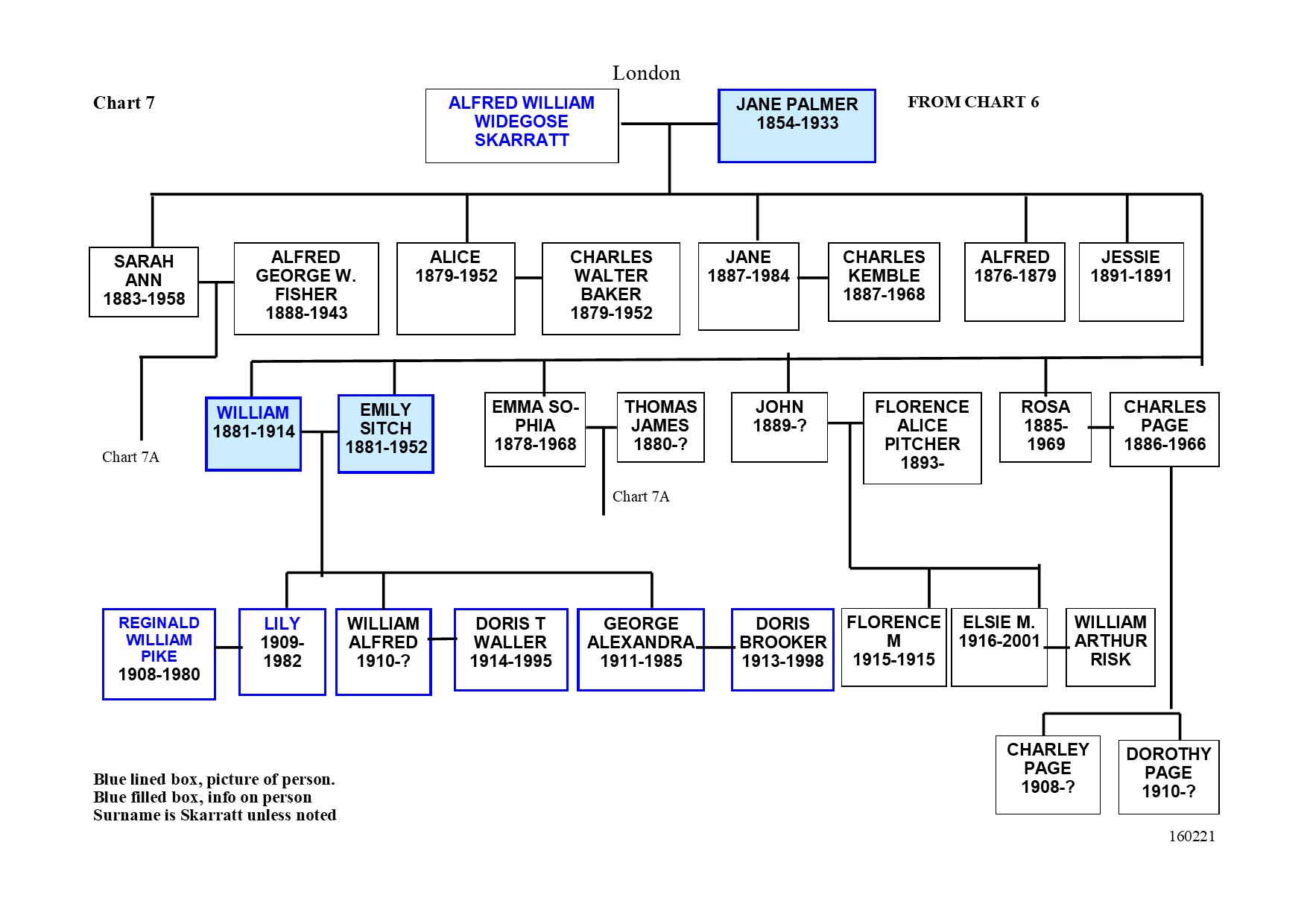
Ref Alfred Skairatt:
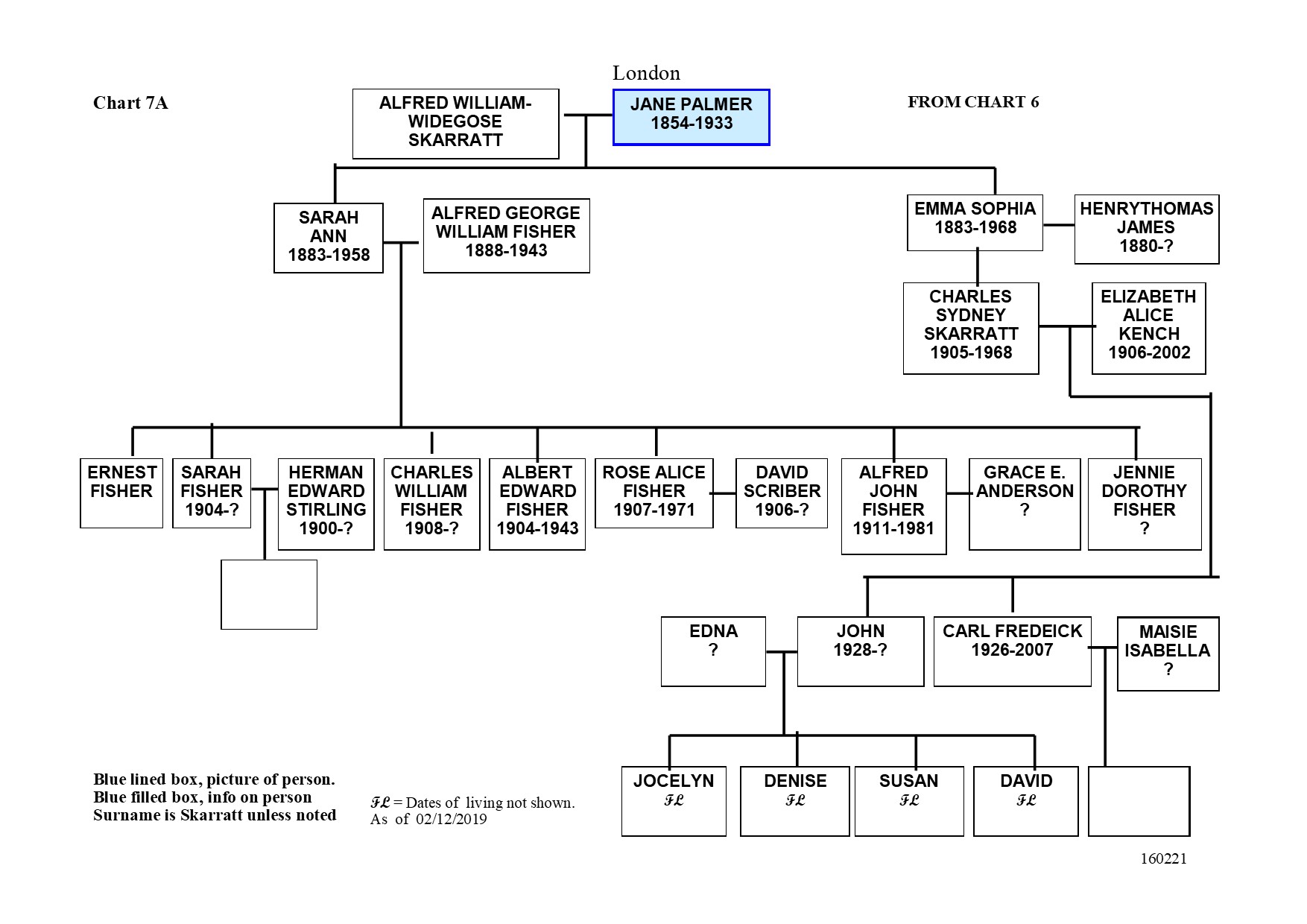
I believe this to be my GGF (Maternal). His wife was Jane Palmer
(from Naval records). The name is almost certainly Skarratt, I have
never come across Skairatt before. My GF was born in 1881 &
christened at St Pancras, and two more sisters, Sarah Ann and Rose were
born later., christened at St Giles & St Pancras respectively.
STORIES
SKARRATT, Robert Thomas, music engraver and composer, 54, Great Wild
Street
c1796-1809;
10, King's
Place,
St. Pancras c1809-1811;
9, Platt's
Terrace,
St. Pancras 18171818 ;
11, Terrace, Upper
Street,
Islington
c1821-1828;
5, Eyre
Street,
Clerkenwell c 1830;
18,ClothFair
c 1836-38;
1,PearlCrescent,Lower Road, Pentonville c 1839.
Prob. active from c1791. Humphries and Smith.
Composer
Title
Scoring Publisher and
Plate
Date Shelfmark
Skarratt, R. T.. Celebrated operas, 6
nos, No. 2
Vln
[London]
1858-60 GB-Lbl h.217.a.(3)
& Mullen, A
Database, Great Britain: Instrumental Works Based on
Don Giovanni. Not including complete work or extracts for piano and
voice. Dates and Publishers’ plate numbers given according to library
catalogues.
MORE WORKS by R T Skarratt
Fruits and Flowers, a divertimento. [P. F.]
Skarratt's Coronation March , for one, and two performers on the
piano forte
Fruits and Flowers ... A series of amusing and interesting pieces ...
for the pianiste.
Nelly Gray [by B. R. Hanby] ... arranged by R. T. Skarratt
The Hundred Pipers. Scotch Ballad, the poetry from the Lays
of Strathearne. The Symphonies & Accompaniments
newly
arranged by R. T. Skarratt
Mrs. Caudle's curtain lectures. [Song, begins: "All matrimonial men".]
Near Woodstock Town, and All [or rather Ah] the Sighs that come from
my Heart. The Piano Forte
Accompaniments by R. T. Skarratt (B. Williams'
Collection of old English Songs)
Ben Bolt. [Song. Composed by N. Kneass.] Arranged for the Piano Forte
by
R. T. Skarratt
Pretty Flower, do not fade. Canzonet
Pretty Flower do not fade, etc.
"Sally in our Alley", a celebrated old English ballad ... with new
symphonies
& accompaniments by R. T. Skarratt.
Select Sacred Melodies, consisting of a collection of ... Psalms &
Hymns ...
with accompaniment for Pianoforte by R. T. Skarratt
There grew a young Flow'ret, canzonet, with an accompaniment for
the piano forte
Victoria regina vivat. Skarratt's coronation march, for one, and
two performers on the piano forte
Vocal Church Music ... A series of double chants, sanctus,
responses, glorias, &c. &c. with an
accompaniment for the organ or piano forte, by
R. T. Skarratt. no. 1
Celebrated operas ... arranged as a solo for the Violin by R. T.
Skarratt and
A. Mullen. no. 1-6
Below is a story which would appear to involve the above R.T.Skarratt.
The story of Owen Jones Williams from a contribution byClaire Rowland
Prefaces to psalmody books often give a fascinating
insight into the problems their compilers had to overcome to get their
work into print. Owen Jones Williams shows a remarkable resilience, as
the following transcription indicates.
With a view of supplying the deficiency of Psalmody
in Wales, the following Christmas he took his manuscript (containing a
treatise on the elements of singing in connection with upward of 260
Psalm and Hymn Tunes with Anthems,) and delivered it to a Mus. Doc. near
Bangor-Ferry, in order for him to employ an Engraver in London to
engrave the same, while the Author followed his employment in his native
Country: the Dr. refused to enter into an agreement, nor would he
consent to accept any remuneration, but said he would assist him with
the greatest pleasure. The prospectus was circulated, announcing his
Work would be ready for sale in June 1816.
March, 1816 the Dr. went to London ..., and took the Author's manuscript with him to Mr. Skarratt the
Engraver, but when he understood that it was the first Work of the kind
ever written in the Welsh Language, and consequently much more valuable
than he at first imagined, he made an attempt to pass it on to the
Public as his own Work, and claiming an equal share of its profit.
November, 1816, the Author went to London to expedite his Work, and paid Mr. Skarratt
£18 on account of his Plates, and the remainder to be paid when
finished; but the Dr. refused to deliver the Work to its Author, unless
he was allowed his half of the profit of the whole Work, afterwards he
offered to accept £100, which the Author resisted, and after vain
efforts to deliver his Work to the Subscribers, he was forced to submit
to the oppression, and deprived of all his laborious production.
In May 1818, the Dr. sent the Author a bill of
£181 for his trouble, with a writ to arrest him for the payment of it;
the cause was brought on at Guildhall, and referred to arbitration: Mr. Skarratt (who
engraved the Work,) considers the law expenses and loss of sale of 2000
Copies would at the least amount to £700; to which must be added the
400 Copies which Mitchell kept, amounting in the whole to £1330; and to
recover his losses, the Author has no resource but the sale of the
present Work.
MORE on the above.
I have received info from Michael Kassler in Australia about this item.
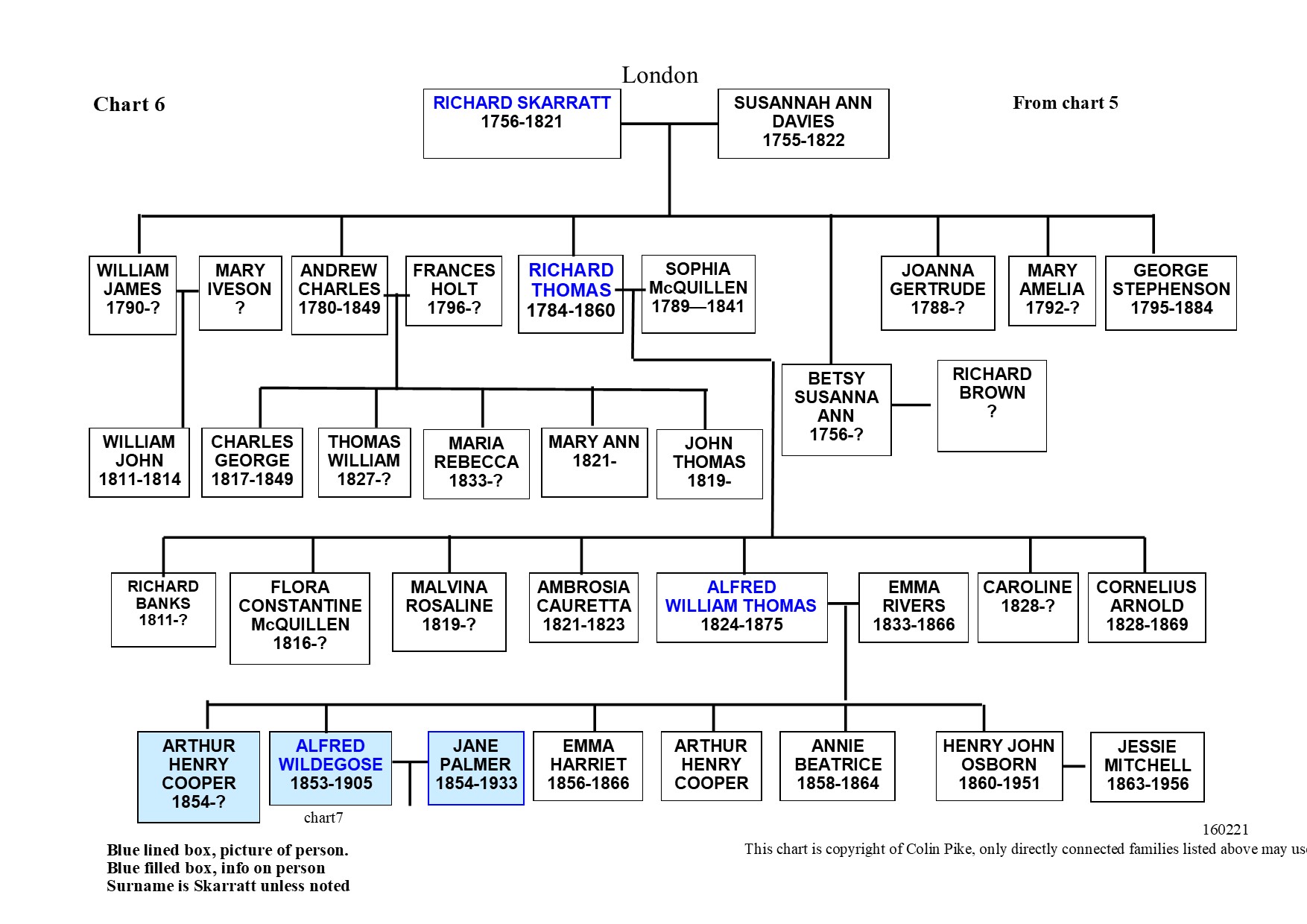
It would seem that he was Richard Thomas Skarratt
and his father Richard Skarratt. R.T. Skarratt was like his father a
music engraver and succeeded his father in the business, he also
composed music. The father lived at 16 Charlotte Street, St
Pancras, London. He wrote his will on 14th Feb 1805 and administration
was granted on 28 March 1821. He was married in 1780 to Susanna Ann
Davies.
Michael would like anyone with more info to let him know.
Although based on the Skarratt name I have found
the following variations. The reasons for the variations include
misspellings, mispronunciations, accents misheard, illiteracy.
I do not suggest that Skerrett and Skarratt have a
common source but propose the following analogy. Skerrett of Galway,
like many Irish families, including my own in-laws, may have crossed to
Liverpool by boat. Liverpool has always been a home form home for Irish
people in England. The name is common in the neighbouring areas of
Manchester and the Wirral, in Manchester the name Skarratt is also to be
found in numbers second only to London Skarratts Could they have been
originally Skerretts?.
No information on the living is displayed, only
names and relationships. We do not make information on the living
available unless they agree to it.
DISCLAIMER
I have where possible to obtain permission for material included and acknowledged source.
If you find information included here which you feel I have not obtained permission please let me know at once.
Please remember this is a family research project
and as such no profit is involved, the information is provided free for
family members on a research basis, no material included may be used for
profit by other parties.
If you use any of the information included in the web site please gain permission from those involved.
APOLOGIES
All material is included in good faith. If for
any reason material included causes offence in any way please contact me
at once and it will be rectified.
ACKNOWLEDGEMENTS
The following people have contributed to this site:
Mary Jane Thomas Stokes
Rosemary Thomas
Jean Busby
Bernard Mills
Glyn Hatherall
CONTACT
Colin Pike (Skarratt)
Email : skarratt@btinternet.com
This site has been set up to provide a single (one -stop) reference for this group of associated families. see Introduction
This is a private site
and has no professional
funding or connections.
It is entirely edited in
my own time at my
own expense.
FAMILY NAMES Some of the associated names inthis family group
SKARRATT
SKAROTT
SCARRATT
SCARRETT
SKERRETT
SCARROT
SKARRETT
SKIROT
SKARRATTS
SCARRIOT
SKARROT
and more
Thanks to the Local Records Offices & their staff for all the help they give me.
This site is the copyright of Colin Pike
This is a webpage based on the origins of my family in London.
This is where my family came from and I am sure there is more
information to be uncovered. Perhaps somebody reading this may be able
to help me out. There must be some more
Skarratt's out there in London. The lady who researched the Kington
Skarratt families, Jean Oldham reckoned that all the Skarratt families
in London were related. Sadly Jean died before I got interested in
family history, there were so many things I would have liked to ask her. But she was right about the connection as I found out. see Charts.
My mother, Lily, was born in London in 1908. Her parents were William Skarratt and Emily Skarratt. (nee Sitch).
As I said in the main
page, the search for my Grandfather is what started my family research,
it seems to have snowballed on the way into an information centre for
the Skarratt family name and other soundex names.
I now know my GF died in
1914 at sea, while serving in the Royal Marine Light Infantry on the
Cressy. His name is inscribed on the Naval Memorial monument in Chatham.
My mother told me a story
once when I was young, which I wish I had paid more attention too.
Apparently my GGF went to the USA to find work and took some of his
family, including my GF. It seems he turned into a gambler in a big way
in Chicago and won and lost considerable sums including a house in a
London square. Because of this unstable life my GF joined the merchant
navy and eventually the RMLI. When my GF was killed two of his brothers
-who were very smartly dressed-came over from the US and offered my
Grandmother financial help with her family. She refused but apparently
they were in some way working as Naval architects or similar occupation
in Chicago. I have tried to trace the family there, but with no success.
I am not too convinced by
this story following my limited research into the family history. My GF
was born in the Endell St workhouse in 1881.
Registration Details on birth certificate:
William Skarratt Born 16 May 1881 to John Skarratt and Jane (nee Palmer). His father was actually Alfred Skarratt not John?
Recently I had contact
from Canada from a lady who was descended from my GF sibling, so the USA
story could have some depth to it!
MY FAMILY
Grandfather Bill Skarratt
His name on the Chatham memorial
Grandmother Emily (nee Sitch)
Born in a workhouse he joined the RMLI and died in WW1
Despite her tough upbringing in Limehouse area of London she was a kind lady especially to me.
My Dad & Mum
.Uncle Bill Skarratt and his wife Doris
Uncle George Skarratt and his wife Doris
My Family listing in IGI
I could not find my family in the 1881 Census (2/3 April), but by a stroke of luck I found it but not spelt as I expected.
Living at 7 Melville Place, Census Place: Clerkenwell.
Born
Died
Married
Alfred Skairatt
Married
Male
Age 29
Hoxton, Middx
Furniture |Porter
1851/2
1904
June 1875
Clerkenwell
My GGF
Jane Skairatt
Married
Female
Age 27
Nottingham
Wife
1854
1933
nee Palmer
Emma S(ophie) Skairatt
Unmarried
Female
Age 3
St Pancras, Middx
Daughter
1877
1918Holborn
Alice Skairatt
Unmarried
Female
Age 19 Months
St Giles, Middx
Daughter
1879
1900?
Ernest
di
Alfred
Male
St Pancras, Middx
Son
1876
1879
William
Married
Male
St Giles, Middx
Son
1881
1914
1908
My GF
Sarah Ann
Married
Daughter
St Giles, Middx
Daughter
1883
1901
Rose (Rosa)
Daughter
St Pancras
Daughter
1885
1907
John
Male
St Giles
Son
1889
Jessie
male
St Giles
Son
1891
di
My grandfather's naval record for Chatham District.
He puts his father down as Alfred Skarratt. The first entry is 21
Nov 1901.he gives his birth date as 5 Jan 1884 he is under age by 45
days to officially enlist. His job as Tea blender.
As he was born on 16 May 1881, he seems to have lost 3 years for some reason!
Connections
I recently heard from a lady in Canada who is a descendant of Sarah
Ann listed above. She has also listed descendants of her family.
FATHERS FAMILY
Not
forgetting my Dad who after all was attracted to a Skarratt! Like many
sons I never really got to know my dad till it was too late. But through
tracing my mums' ancestors I have found out more about my dad as well.
One
day whilst talking to my Aunt, she mentioned that my dad spent some
time in the workhouse. I was astounded to say the least, he never
mentioned it once. Suddenly I started to realise why he was so content
with his life and why everybody found him such a kindly person. When I
read about workhouse conditions and what people had to put up with, I
had new respect for my dad that I should have had all those years
ago. There's more to follow about this man!
GALLIFORD connection
I have always been under the illusion that my family was Pike, but I
now discover that I have no Pike blood in me at all! Apparently my dad
born as Galliford, his mother divorced and married a Mr Pike. They had a
son Phillip and my dad and Phillip went to Dulwich college together,
and to make the cost of billing simple they were called Pike. My dad was
never officially adopted, so I suppose I am a Galliford. ( I am in the
process of following the family connection). I have no idea how his
mother met Mr Pike. I can only theorise that she applied for
a job to get out of the workhouse, and joined the household of Mr Pike.
He eventually divorced? his first wife and married Dad's mother. Mr
Pike was a self made successful owner of timber merchants on the Isle of
Dogs. He, Thomas Edward Pike, was born in Limehouse in 1864, the oldest
of eight children to Thomas Andrew Pike
and Martha Lusty. Martha was a member of the family that made the
Lusty cane furniture.
I have traced my dad's Galliford connection to Barnstaple, Devon. back to John Galliford and Patience Upham married in 1801.
Research into Skarratt etc. families
I have been trying to find connections
between the families in London. There seems to be a main settling
of families in the East of London, St Pancras, Stepney and
Finsbury. I have traced one family from London to Hereford and then to
Australia with info provided. One problem is that the name
Skarratt is often recorded as in the above family as Scarratt or
Scarrott. These variations are endless and only by studying families
their Churches and areas is it possible to achieve some links.
One example of the proliferation of names is even displayed in one family group:
Richard
Skarratt b.c. 1734 . m Elizabeth
children.: Hannah Skarret
Richard Skarratt
Mary Scarriot
James Skarrad
John Skarratt
We have four
variations listed for the same family! No doubt the people involved new
their name, but nobody
seemed to
understand them when they had to use it. There are of course many
reasons that can be put forward
for the variation, but this is only to illustrate the variations.
My own GGF
appears in the 1881 census as Skairatt ! No wonder I had trouble finding
him.
The LDS gives family groups and the streets they lived in, sometimes other families as neighbours.
Tracing the Skarratt families in London
Although it seemed very obvious at the time it was mentioned to me
that all the families were related, tracing them was another thing to
try me. I have traced numerous families but it is connecting them
together through the years that is the problem. If anybody has any info
that we can collaborate on perhaps we can get someway to solving the
connections.
CHURCHES
The following are notes on some of the churches that have connections with Skarratt families.
For many generations of Skarratts this church in the City of London has been their focal point
St Giles Cripplegate Church
The
first reference is the building of what may have been only a
shrine in 1090 by Alfune who was a friend of Rahere (See St
Bartholomew the Great). The first reference to the church is a grant by
Ælmund to the canons of St Paul's Cathedral of his church of St Giles,
built outside the walls, in the time of Henry I (1100-35).
The dedication is to a saint, born in Athens of royal parentage.
Around 666 AD during a hunt, a hind took refuge from dogs in the
cave where the saint was residing in solitude. The
saint prayed and prevented the dogs from gaining access. The hind
survived and provided the saint with sustenance, St Giles is the saint
of maternity. The hind is a symbol of the saint and one is depicted over
the door.
'S
Giles of Cripplegate' was mentioned during the 13th century. The origin
of Cripplegate is hotly debated; Harben considers that the most
probable origin was from the Anglo-Saxon 'crepel', a burrow or
'crypele', a den and denoted the long underground narrow or covered way
leading to the gate. Another view id that more cripple gathered at this
particular gate than any of the other gates of the city.
The
first known church was built during the 14th century on ground outside
the gate close to where the Walbrook ran under the London Wall. It was
damaged by fire in 1545 and the London Chronicle has the following
report: "The xil day of September, Satterday, in the mornyng, above five
og the klocke, was Saynt Jyles's Churche burned, belles and alle, wtout
Crepellgate."
The
church was rebuilt and Strype wrote that the church was "very fair and
spacious." It survived the Great Fire and Joh Milton was buried in the
churchyard in 1674. Between 1682 and 1684 the top of the tower was
raised, and cased in brick by John Bridges. The
parish of St Giles was a populous parish, and the Commissioners for the
Fifty New Churches Act [1711] proposed to build three churches within
the parish. Ultimately only one new church was built - St Luke's, Old
Street.. In 1791 the roof was raised and two additional bays added to
the celerestory, in 1885 the south side was refaced and castellated.
Restoration work was carried out in 1897 following a fire. In 1903 the
north side was refaced and matching castellations erected. A bomb hit
the building in August 1940 but it remained usable until a fire
destroyed the church in the November. The church was fully restored by
Godfrey Allen as the church of the Barbican development, it was reopened
in 1960.
Shakespeare
attended the church in 1607 for the baptism of his nephew. In the last
week of August 1665 there was 600 deaths due to the plague and records
show over 8,000 people died in the parish. According to Stow "There was
also a bosse of clear water in the wall of the churchyard, made at the
charge of Richard Whittington, sometimes mayor, and was like to that of
Billingsgate. Of late the same was turned into an evil pump, and so is
clean decayed." This water source may have contributed to the high death
rate in the parish during the plague.
The records for the church are
located in the Guildhall Library and there is a partial index to
baptisms and marriages in the IGI. Baptism: 1561 to 1961; Marriages:
1561 to 1953; Burial 1561 to 1535
FAMILY TREES
I have assembled family trees that I have researched.
See the Skarratt Genealogical Charts page. (Link to page)
ORIGINS
Including:
Historical evidence for the name Huguenot connections
Basque connections
Irish connection
Tribes of Galway.
Although there are One Name Sites, which everybody should
refer to, there is still interest from individuals about there origins
and some of them pass on points of interest which I feel should be
included in this catch all site.
Perhaps somebody out there has prepared pages that I could fit into site with info on their family name etc.
More watches are coming to light, see below in watch section.
Does anybody know where the Skarratt stone is in the Sheffield area?
Latest info received indicating location, thanks to Adrian
Skerrett.More info has arrived and I will add it to the Kington Site.
CARLETON CONNECTION?
One family of Skarratts has the name Carleton running through it,
and while researching them I have tried to find the reason for this
inclusion. The first time I can trace the use of the name is for
Carleton Skarratt, born in 1754, in London. One train of search is that
it may have been his mother's maiden name, quite common in that era, but
I have not so far found out her name to confirm this. But as with all
genealogical research it has taken me on a long winding road. The living
members of this family have told me that a family bible in their
possession was originally handed down from a Carleton family member, a
daughter supposedly. To add to my knowledge I contacted Lorna Carleton,
whose book 'The Carleton Collection' is a definitive work on the
Carleton family of Penrith etc. This has provided me with some
interesting leads to follow, but also lead me to transfer her book on to
CD for her , this makes it less costly to produce than short print runs.
My research has led me to Croft Castle, Worcester, Hereford and other
areas but I still have not confirmed a Carleton connection, so if you
know of one let me know. Harrison, Croft, Carleton, Pemberton, Skarratt,
there is a link somewhere out there somewhere.
I have just found out that Carleton's mother was indeed Sarah CARLETON! So on to the next piece of the puzzle.
I have drawn up the chart below to try and follow the trail but gaps remain.
CONNECTIONS
glyn@hatherall.org.uk
SCARROTT
Glyn Hatherall
www.kaysheritage.org.uk
The story of Kays Catalogue Co.- and its Skarratt connections
Bernard Mills
OCCUPATIONS
CLOCKMAKING
Carleton was the first of the family to be a clockmaker in
Kington. He was born in London and perhaps his father was a clockmaker
there. It is certain that at least four of his sons were clockmakers.To
get apprenticeships for his sons would not be cheap, perhaps his wife
Sarah nee Carleton may have helped.
Carleton, Thomas Carleton, John Carleton and Charles Carleton were apprenticed in London and members of the Clockmakers Company.
Carleton's son, Thomas Carleton and his son Henry Carleton were also clockmakers in Kington.
Apart from the known clockmakers I have been contacted by the
owner of a longcase that needed repair. The interesting point is that
the name on the dial is Elizabeth Skarratt. Elizabeth was Thomas
Carleton Skarratt's wife, Thomas was a known clockmaker and he died in
1838. It would appear that Elizabeth who carried on the business, also
may have made clocks. Perhaps Henry 1806-1888 who returned from Hay on
Wye when his father died may have been involved.
WATCHMAKERS
I have culled from various sources a list of the watchmakers in the Skarratt family.
Many of the books on this subject of
clock & watchmakers, do not research the backgrounds of these people
and therefore give a misleading picture of the actual numbers involved.
I have tried to sort the facts given into a more accurate list, with my
knowledge of the Skarratts in particular.
Name
Lived
Date
Area
Carleton Skarratt
1754 - fl1782
c1768
London/ Kington c 1785
apprentice to JS 12/1/1768 CC
Thomas Skarratt (Brother of C.S)
c1757 - fl 1782
c1772-1782
London/ Kington 1788-1796
apprentice to JS 16/3/1772, CC.F(1782)
John Carleton Skarratt (ditto.)
1760 -
c1777-1794
London/Worcester
apprentice to TB 5/3/1777. CC
Charles Carleton Skarratt (ditto)
1761-
1793
Worcester c1792
bankrupt.1793
John ?
1761-1829
1794
London/Worcester>
CC. Clu (Probably John Skarratt)
John Martin Skarratt
1795 - 1859
1828 - 1859
Worcester
John Martin Skarratt (son of JMS)
1834 - 1908
? -1896
Worcester
J.M.Skarratt & Co
n/a
1872 - 1876
Worcester
See Kay's note below
Thomas Carleton Skarratt
1776 - 1838
1830 - 1838
Kington
Elizabeth Skarratt (wife of TCS)
1781 - 1871
1838 - 1870
Henry Carleton Skarratt (son of TCS)
1809 - 1888
1863 - 1870
Hay-on-Wye / Kington
references:-
Brian Loomes Watchmakers and Clockmakers of the World. Volo.2
G.H.Baillie, Watchmakers and Clockmakers of the World 2nd edition
Cecil Clutton, G.H.B. Btitten's Old Clocks and watches and their makers, 9th Edition.
Iorweth Peale, Clock and Watch Makers in Wales
Brittons Old clocks & Watches & their makers
(CC) Belonged to Clockmakers Company
F Freedom of the Company (i.e. Thomas Skarratt 4 Nov 1782)
JS Jane Saxby 1762-1777, St John St,Clerkenwell, London
TB Thomas Banfield, St John St, Clerkenwell, London
Clu Cecil Clutton records
ENGRAVER See story on R.T. Skarratt
RECORDS
I have used many sources to search out family members and continue to
find new names and listings. I have concentrated on Skarratt, my family
name, but have also added soundex names to a lesser degree for now. It
might even be that my family name may have been be Scarratt or one of
the other variations, this is always in the back of my mind when
investigating new sources.
LDS
Many people start with the LDS, and quite rightly. Whatever you
think of their doctrines and the listing inaccuracies might be, it is
still an important source of info for all researchers. We sometimes
despair at its odd entries, but we have all used it and thank the LDS
for their immense work.
The only drawback and especially for me, is that certain parishes
refused to give access to their records. Herefordshire for instance is
very limited in its entries because of the refusals. In these case its
parish record archives in local offices that are the next step.
PRO
The public record office has lists of Births, Marriages and Deaths,
from 1837 to 1999. Some libraries have these records on microfiche
and they provide the full name, place of registration and year quarter
of event. Later dates give age on death, maiden name of spouses.
Some of the early ones are very difficult to read, to the point of
indecipherable, even with a magnifying glass!
Sometimes it is not clear which registration office is noted. For
instance, Ashton is an office, bit their are several Ashton's around the
country, and their is no indication on the record as to which it is.
But, if you look at the rag No. i.e.6d 238. this can be referenced in the Register book which gives the location. Don't guess, 6d is used for Warwick, Preston, Ashton, Birmingham, so it could any one of the Ashtons..
SOUNDEX -
Although based on the Skarratt name I have found the
following variations. The reasons for the variations include
misspellings, mispronunciations, accents misheard, illiteracy.
I do not suggest that Skerrett and Skarratt have a
common source but propose the following analogy. Skerrett of Galway,
like many Irish families, including my own in-laws, may have crossed to
Liverpool by boat. Liverpool has always been a home form home for Irish
people in England. The name is common in the neighbouring areas of
Manchester and the Wirral, in Manchester the name Skarratt is also to be
found in numbers second only to London Skarratts Could they have been
originally Skerretts?.
SCARRATT
>SCARRAT
SCARRATTS
SCARAT
SCARROTT
SCARROT
SCARROTTS
SCARRIOTT
SCARRIOT
SCARIOT
SCARRETT
SCARRET
SCARRETTS
SCARET
SCURRATT
SKARRATT
SKARRAT
SKARRATTS
SKARRATTE
SKARRETT
SKARRET
SKERRETT
SKERRET
SKERET
SKARROTT
SKARROT
SKERRITT
SKERIT
SKERITT
SKERROTT
SKERROT
SKERRATT
SKERRAT
SKIRROTT
SKIRROT
SKIRRETT
SKIRRET
SKIRRITT
SKIRRIT
SKIRRATT
SKIR
STORIES
SKARRATT, Robert Thomas, music engraver and composer, 54, Great Wild
Street
c1796-1809; 10, King's
Place,
St. Pancras c1809-1811; 9, Platt's
Terrace,
St. Pancras 18171818 ; 11, Terrace, Upper
Street,
Islington
c1821-1828; 5, Eyre
Street,
Clerkenwell c 1830; 18,ClothFair
c 1836-38; 1,PearlCrescent,Lower Road, Pentonville c 1839. Prob. active from c1791. Humphries and Smith.
Composer
Title
Scoring Publisher and
Plate
Date Shelfmark Skarratt, R. T..
Celebrated operas, 6 nos, No. 2
Vln
[London]
1858-60 GB-Lbl h.217.a.(3) & Mullen, A Database, Great Britain: Instrumental
Works Based on Don Giovanni. Not including complete work or extracts for
piano and voice. Dates and Publishers’ plate numbers given according
to library catalogues.
MORE WORKS by R T Skarratt
Fruits and Flowers, a divertimento. [P. F.]
Skarratt's Coronation March , for one, and two performers on the
piano forte
Fruits and Flowers ... A series of amusing and interesting pieces ...
for the pianiste.
Nelly Gray [by B. R. Hanby] ... arranged by R. T. Skarratt
The Hundred Pipers. Scotch Ballad, the poetry from the Lays
of Strathearne. The Symphonies & Accompaniments
newly
arranged by R. T. Skarratt
Mrs. Caudle's curtain lectures. [Song, begins: "All matrimonial men".]
Near Woodstock Town, and All [or rather Ah] the Sighs that come from
my Heart. The Piano Forte
Accompaniments by R. T. Skarratt (B. Williams'
Collection of old English Songs)
Ben Bolt. [Song. Composed by N. Kneass.] Arranged for the Piano Forte
by
R. T. Skarratt
Pretty Flower, do not fade. Canzonet
Pretty Flower do not fade, etc.
"Sally in our Alley", a celebrated old English ballad ... with new
symphonies
& accompaniments by R. T. Skarratt.
Select Sacred Melodies, consisting of a collection of ... Psalms &
Hymns ...
with accompaniment for Pianoforte by R. T. Skarratt
There grew a young Flow'ret, canzonet, with an accompaniment for
the piano forte
Victoria regina vivat. Skarratt's coronation march, for one, and
two performers on the piano forte
Vocal Church Music ... A series of double chants, sanctus,
responses, glorias, &c. &c. with an
accompaniment for the organ or piano forte, by
R. T. Skarratt. no. 1
Celebrated operas ... arranged as a solo for the Violin by R. T.
Skarratt and
A. Mullen. no. 1-6
Below is a story which would appear to involve the above R.T.Skarratt.
The story of Owen Jones Williams from a contribution byClaire Rowland
Prefaces
to psalmody books often give a fascinating insight into the problems
their compilers had to overcome to get their work into print. Owen Jones
Williams shows a remarkable resilience, as the following transcription
indicates.
With a view of supplying the deficiency
of Psalmody in Wales, the following Christmas he took his manuscript
(containing a treatise on the elements of singing in connection with
upward of 260 Psalm and Hymn Tunes with Anthems,) and delivered it to a
Mus. Doc. near Bangor-Ferry, in order for him to employ an Engraver in
London to engrave the same, while the Author followed his employment in
his native Country: the Dr. refused to enter into an agreement, nor
would he consent to accept any remuneration, but said he would assist
him with the greatest pleasure. The prospectus was circulated,
announcing his Work would be ready for sale in June 1816.
March, 1816 the Dr. went to London ..., and took the Author's manuscript with him to Mr. Skarratt the
Engraver, but when he understood that it was the first Work of the kind
ever written in the Welsh Language, and consequently much more valuable
than he at first imagined, he made an attempt to pass it on to the
Public as his own Work, and claiming an equal share of its profit.
November, 1816, the Author went to London to expedite his Work, and paid Mr. Skarratt
£18 on account of his Plates, and the remainder to be paid when
finished; but the Dr. refused to deliver the Work to its Author, unless
he was allowed his half of the profit of the whole Work, afterwards he
offered to accept £100, which the Author resisted, and after vain
efforts to deliver his Work to the Subscribers, he was forced to submit
to the oppression, and deprived of all his laborious production.
In May 1818, the Dr. sent the Author a
bill of £181 for his trouble, with a writ to arrest him for the payment
of it; the cause was brought on at Guildhall, and referred to
arbitration: Mr. Skarratt (who engraved the Work,) considers the
law expenses and loss of sale of 2000 Copies would at the least amount
to £700; to which must be added the 400 Copies which Mitchell kept,
amounting in the whole to £1330; and to recover his losses, the Author
has no resource but the sale of the present Work.
MORE on the above.
I have received info from Michael Kassler in Australia about this item. It would seem that he was Richard
Thomas Skarratt and his father Richard Skarratt. R.T. Skarratt was like
his father a music engraver and succeeded his father in the business, he
also composed music. The father lived at 16 Charlotte Street, St
Pancras, London. He wrote his will on 14th Feb 1805 and administration
was granted on 28 March 1821. He was married in 1780 to Susanna Ann
Davies.
Michael would like anyone with more info to let him know.
TRADE DIRECTORIES
.........
s = SLATERs
p = PIGOT & DEAN DIRECTORY
b = BENTLEYS
ld= London Directory
kd=Kents Directory
No information on the living is displayed, only
names and relationships. We do not make information on the living
available unless they agree to it.
DISCLAIMER
I have where possible to obtain permission for material included and acknowledged source.
If you find information included here which you feel I have not obtained permission please let me know at once.
Please remember this is a family research project
and as such no profit is involved, the information is provided free for
family members on a research basis, no material included may be used for
profit by other parties.
If you use any of the information included in the web site please gain permission from those involved.
APOLOGIES
All material is included in good faith. If for
any reason material included causes offence in any way please contact me
at once and it will be rectified.
ACKNOWLEDGEMENTS
The following people have contributed to this site:
Mary Jane Thomas Stokes
Rosemary Thomas
Jean Busby
Bernard Mills
Glyn Hatherall
CONTACT
Colin Pike (Skarratt)
Email : skarratt @btinternet.com
It may be genuine but probably does not apply to all the Skarratt
families. This based on a family that went to Ireland. There are
many sites with various crests etc but doubtful connections to the
families concerned as is the case with Skarratt.
From what I have seen I would not take them to seriously.
This is a private site and has no proffesional funding or connections. It is entirely edited in my own time and at my expense.
I have a vast amount of information that has been
collected but not all of it is on the sites so far. Time does not allow
to edit it all.
I am always welcome to receive contacts with info
or questions. The exchange of info for free is the best way to judge if a
persons interest is genuine in their family history, I will not be
updating this page, I have decided to compile all the info in one small
booklet for familly members.
June 2026
KINGTON is an historic market town on the
English/Welsh border. It is ideal base for touring Offa's Dyke,
Hay-on-Wye & the Brecon Beacons.
INTRODUCTION
This is a family that has a lot of information available about it and is the subject of some very interesting events.
The family lived in London up to 1780's, when they moved to Kington, Hereford with Carleton Skarratt and his family.
He set up as a clockmaker in the town, he was apprenticed in London
to Jane Saxby in 1768 so he was probably continuing his trade from
London.
This table above is where I am currently researching the
descendants of Peter & Anne Wheeler.
There has been some new info which has brought into question the connections to Richard and Robert. There are
so many Richards and Roberts that exactly which info is correct is not
resolved as of now.I now believe John (1760-1860?) was the son of Robert
& Sarah. He joined his brother Charles in Worcester.
Skarratt family tree from 1700 to 1900. basically the Kington era.
Note: This tree is a little bit out of date,
please check with me if you have a query on it.
LISTINGS IN DIRECTORIES Directory of Herefordshire for 1858 by Edward Casey & Co: page 169. Skarratt T.C., High, St Kington. (under Linen & Woolen Drapers)
Littlebury's Postal & Commercial Directory of Kington, 1867: page 310. Skarratt, Thomas Carleton, Silk Mercer, Clothing. High St
page 311. Skarratt, Mrs. Elizabeth, Fancy repositories, Jeweler. High St.
page 307. Skarratt, William Carleton, Draper's Asst. Church St.
page 300. Skarratt. T.C. Kington . Commissioners under local board.
Kelly's 1900:
E.R.Kelly Post Office Directory 1870 page 342. Skarratt. Henry. Watchmaker & Toy Dealer. High St.
page 342. Skarratt. T.C. Draper
10 HIGH STREET, Kington. Thomas Carleton Skarratt (Author of the Diaries) lived in No.11 and ran his drapers business from No.10 from c1858 to c1876
45 HIGH STREET, Kington The watch & clock business of Thomas Carleton
Skarratt and later in 1859 Elizabeth Skarratt is still here. Also Henry
Skarratt her son was listed up to at least 1871
.
.
Old Radnor Church in Powys. Wales. about 4 miles from Kington in Herefordshire. England, is famous
for its organ case, medieval screen, stained glass, and large font. The
church is set in a commanding position looking out over beautiful
countryside, if I was to be buried anywhere, this would be the place I
would choose...
...
In the foreground is the gravestone of Elizabeth
Sarah Skarratt nee Stephens 1824-1885. also buried alongside her here is
Alice Ann Ward, nee Skarratt 1862-1904 ..
KEMSING church,
Kent.
St Mary the Virgin.
Located in Kent just north of Sevenoaks is the small
village of Kemsing and its village church. The church was the parish of
Rev. T.C. Skarratt from 1889 -1908 and he was
responsible for improving the fabric of the church including the
following windows:
East window: 3 lights. Christ in Majesty by Comper. 1902. Rev T.C. Skarratt in memory of his mother.
Sanctuary North Wall: 2 lights in frame inserted 1891. The visitation, by Comper about 1902. In memory of Elizabeth hall.
West window: 2 lights. The Annunciation, by Comper. 1911. In memory of Rev T.C. Skarratt from his sisters.
North Aisle: 2 lights. ss. Thomas & Richard, by Comper. 1911. in memory of Rev. T.C. Skarratt, from his friends
Buried at Kemsing are:-
T.C.Skarratt 1857-1908, Amy Carleton Skarratt 1866-1927, Charles
Carleton Skarratt 1824-1900, Daisy Wren Skarratt 1877-1942, Emily
Carleton Skarratt 1862-1923, Lucy Anne (Minnie) Skarratt 1863-1934,
Violet Hall Skarratt 1877-1953.
FAMILY MEMBERS
CARLETON SKARRATT He had three daughters and one son, his son Thomas Carleton 1776 - 1838, followed his father into the profession in Kington.
Thomas married Elizabeth ball in 1802 and they had 10 children all
born in Kington. see family tree. Three of the sons, Henry, Thomas and
Charles each pursued different careers and made their mark on the
society of the time.
Henry 1809 - 1888, continued the family clockmaking tradition in Hay-on-Wye and then Kington.
Thomas 1818 - 1909, was initially a linen draper in Kington, Author of the Diaries..
Charles 1824 - 1890, was a Hotelier, and some say he left to avoid debtors, and emigrated to Australia in1852.
Henry Carleton 1809 - 1888
Henry was the second son, born in Kington and the only one to
become a clockmaker amongst his brothers. He was probably trained by his
father and in 1835 he worked at a premises in 10, Castle Street,
Hay-on-Wye. It would appear that when his father died in 1838 he
returned to Kington and assisted his mother in the shop at 45 High
Street. When his mother died in 1871, Henry who retired in 1870, moved
to Ludlow., where he later married Sarah Evans in 1874.
The business was taken over by T. J. Coleman. Henry lived at Gothic
Villa, Gravel Hill, Ludlow, where he died in 1888 One watch has come to
light in Australia would seem to confirm that Henry actually had a
business in Ludlow. A mantle clock made in Ludlow and a gold watch made
by H.C. Skarratt , Ludlow #55743. Henry also tuned pianos, led the town
band and managed the gas works.
It was Henry who in January 1841, built what must have been a
unique creation for the time, a gas clock. It was mounted on the outside
of the shop and displayed the time not only in the daylight, but also
at night! What Henry had done was to connect the local town gas supply
to a clock mechanism to produce what is undoubtedly the only clock of
its type ever built. There would be a pilot light by day, and at night
the clock mechanism would turn a cam that operated the gas cock and
raised the flame up to illuminate the clockface. How it actually worked
in detail is not quite clear, but we have Mr. Barnston's idea on the
operation. "He knew that a beveled gear wheel attached to an arbour
through the clock plates to the motion wheel on the front of the
movement was often used to operate the hands of a second subsidiary
dial. He therefore adapted this principle by attaching a
rectangular brass plate with a slot cut in each end. Behind this was a
gas tap with a round lead counterweight. The clock is in the archives of
Hereford museum, and having seen it, I can say it is not in good
repair and it is not obvious how it works due to bits missing. The clock
itself was in constant use as a public clock at the shop until 1920.
The MAZEPPA COACH timetable for 1850's had a note reminding
people that the departure time was London Time, and not by Skarratt's
clock local time. The coming of the railway in 1853 cost Herefordshire
eleven minutes.
For the technically minded clock enthusiast this is the description of the clock:-
It had a brass chapter ring 6½" Dia., which was used in a single
handed 34 hour movement, and fitted with a brass dial centre so that
winding hole could be positioned. The movement was a barrel from a
long-case movement, wound from the front of the dial to lift up the
weight. hour and minute hands were fitted and the anchor escapement
released 16 inches long. Henry knew that a beveled gear wheel attached
to an arbour through the clock plates to the motion wheel on the front
of the movement was often used to operate the hands of a second
subsidiary dial. He therefore adapted the principle by attaching a
rectangular brass plate with a slot cut in each end. Behind this he
placed a gas tap fitted with a round lead weight on one end and a narrow
arm on the other to fit into the slot. The gas jet was placed at about
eight o'clock on the bottom LH side of the dial.
The case is 17" long, 7½ inches wide and 6 inches deep.
It can be seen how bad the condition is from this front view. The front panel has been removed.
RH side view showing barrel and string replacing original cat gut for weight suspension.
Charles
Because of the discovery of gold at places like Ballarat,
Charles opened a hostel for the miners, many of whom had come from the
failed tin and copper mines in Cornwall. Walter Hall, who came out with
Charles, married to Charles's sister Elizabeth, started a store
supplying the daily necessities to miners and their families.
It was in Geelong that Charles married Mary "Nell" Ellen Wren
from London, in 1854. They moved to Melbourne and then Sydney and by
then had 13 children. From Kings Cross, Sydney, Charles moved to
Rockhampton to the new goldfields and opened a very superior hotel.
There was another whiff of aristocracy about the Royal Hotel when
Charles Carleton Skarratt bought it for £25,000 in 1872. Skarratt's
wife was reputed to be a Countess in her own right. Skarratt made a pile
through his association with the pioneers of the Mount Morgan gold
field, and in 1882 he let the hotel to Thomas Asche, father of the
celebrated Oscar of "Chu Chin Chow" fame. Asche senior, according to
contemporary accounts spent most of his waking hours reclining in a
chair beneath the umbrageous foliage of the potted plants in the lobby.
Charles became very rich through his connection to his cousin,
Walter Hall and the Mount Morgan Mining Company. There is a shady story
here, basically the Hall's being the villains and Charles as a
comparatively innocent participator. Walter Hall had managed to set up a
company with two brothers called Morgan, who had scraped a living by
farming until the gold was found. A mountain of gold virtually! Walter
Hall astutely purchased any shares being sold in the company and managed
to ease control away from the Morgans Charles was invited to buy a
block for around £6000 and from this and the hotel profits he moved
back to Sydney and built himself a large house at Summerfield in 1881.
He named it Carleton, and today it serves as a children's home.
Walter Hall returned from Australia to Kington and tried to pay
off his benefactors from whom he had borrowed money to emigrate. But
because they had all died or moved away, Walter gave Kington the 13 acre
Recreation ground in 1888. The gates are dedicated to Walter Hall for
his gift to the people of Kington.
The plaque on the gates in Kington recreation as described above.
"This Recreation ground was presented to the residents of Kington by Thomas Skarratt Hall 1888".
Charles returned to England in 1881 and settled in London in style,
with eight children. The daughters were sent to finishing schools in
England and Paris and Sydney went to Monkton Combed School in
Devon. Sydney went up to Cambridge, and in 1890 there was Carleton
Fisher Skarratt of Worcester, a cousin of Thomas.
Thomas Thomas Carleton or Carleton to his family returned from Australia
and graduated in 1884, ordained in 1885. He was referred to as
"Australian Tom" by his namesake Uncle in his diary. He was curate at
Christchurch, Paddington from 1886-1889, and then became vicar of
Kemsing on 13th December 1889, presented to the living by Lord
Sackville, Lord of the Manor.
Initially he lived in London until the vicarage was ready for him.
He enlarged it an added a chapel. It is now a youth hostel on the
Pilgrim's Way. Life at the vicarage was gracious and one of his guests
has said that in quite a large circle of the literate of the day KEMSING
vicarage was noted for the refinements of its hospitality.
In 1896 Mr. Skarratt commissioned John Ninian Comper to restore and
redecorate the chancel of St Mary's church. And so it is that, thanks to
the goldfields of Australia, we have a wealth of beauty and much of it
in gold leaf in the church today.
When his parents died they were buried in Kemsing, as were three of
his sisters. Thomas died in 1908, the group of tombstones are in the
north-east corner of the churchyard with the grave of Thomas. There is a
monumental brass in the middle of the church floor put there in memory
of "Australian Tom".
Thomas Carleton Skarratt, Vicar of Kemsing
Monumental brass to Thomas in St Mary's Church, Kemsing
Grave of Thomas in Kemsing, St Mary's Church grounds
Inscription reads:-
Thomas Carleton Skarratt vicar of Kemsing from 21st December 1889
who died 3rd September 1908 and is buried in the churchyard. during his
vicariate the North Aisle was built and the church and screen restored.
He adorned the Chancel. Lord I have loved the habitation of thy
house and place where thine honour dwellith
CHARLES SYDNEY SKARRATT. 1870-1942.
Son of Charles Carleton Skarratt 1824-1900 who made his fortune in
Australian gold mines.
Charles was born in Australia apparently in the Royal Hotel in Sydney.
He returned to England and had a varied life He did not have to work for
a living and basically lived the life of a gentleman although he did
involve himself in some acting. He lived for some time as a resident in
his apartment in the Savoy, one of the top hotels in London. He was the
assistant manager at the Alhambra Theatre in London and the theatre had a
reputation for a place to find a rich husband for certain ladies. It
seems that is when a certain American Mabel Loeb nee Power came into his
life. She was a reasonably famous actress in her own right and
continued acting in England. Mabel had already caused a major stir in
the United States with a marriage when she was 20 to a Mr Walter F. Loeb
a young society swell and his lavish spending. When his father found
out he gave his son two options, stay married or lose his inheritance
which would be substantial. So after one day of marriage Mabel was
deserted and the marriage dissolved. so Mabel got a boat to England and
joined her friends at the Alhambra looking for wealthy husbands. The
Alhambra had a certain reputation for liaisons involving young ladies
and wealthy gentlemen. The shows had an extraordinary long interval of
approx one hour where the ladies some scantily dressed could ingratiate
themselves on prospective husbands. Wealthy society gentleman like Lord
Crichton and Charles enjoyed the attentions of Mabel and her actress
friends and Mabel was only too happy to promote their own chances of a
rich suitor.
This obviously because worked after some other flirtations she married
Charles in July 1901 at St Pancras registry office, London. Mabel would
now seem to be set for life of luxury living in the Savoy Hotel, but
that did not seem to suit her way of life as she was soon found to be
associating with the Earl De La Warr, Gilbert Sackville in 1916 at the
Cooden golf club. Despite initially denying adultery in court on May
1916 divorce followed although Charles was willing to take her back,
until he found out she was carrying on behind his back after promising
to end the affair.
A book "Archive of the Heathens" contains some interesting accounts of a
secret society on the Mauretania 1909-1918 with Mabel Loeb involved.
While Mabel was in London and performing on stage every night Mabel's
brother Richard, who was due to inherit a small fortune about $1.5
million dollars from his uncle Pierce Power who was a 49er on the Alaska
gold mines. But just when he was almost in possession he died. So Mabel
inherited and she could now well afford the high life.
FAMILY MEMBERS
Courtesy of the late Tony Skarratt
Thomas Carleton Skarratt
Elizabeth Skarratt
Francis E Skarratt
Francis Mary Weale
William Carleton Skarratt
1776-1838
1804-1862
1854-1935
1832-1911
1821-1894
m. Elizabeth Ball
m. Walter Hall
m. David Thomas
m. William Carleton Skarratt
m. Francis Mary Weale
Charles Carleton Skarratt
Charles Carleton Skarratt
Mary Ellen Wren
Emily Carleton Skarratt
Emily Carleton Skarratt
from an original made on glass.
c1886
from an original oil painting
c.1897
1836-1901
1862-1923
1862-1923
m. Mary Ellen Wren
m. Charles C. Skarratt
m. Arthur McQuade
Alice Skarratt
William Carleton Henry Skarratt
Gertrude Francis Seymour
Albert Joseph Skarratt
Carleton Walter Skarratt
1862-1904
1858-1916
1870-1949
1865-1915
1868-1943
m. John W. Ward
m. Henry Charles Skarratt
m.Christina Simpson
Charlotte E. Skarratt
Charlotte E. Skarratt
Charlotte Eleanor Skarratt
Charles Sydney Skarratt
Christinia Simpson
1870-1938
1870
1870-1942
1872-1939?
m. A. Stuchbury
m. (1)Mabel Francis Loeb.(2)Ethel Victoria Hewitt.
Charles C Skarratt-Mary Ellen Wren
m. Carleton Walter Skarratt
Harold Skarratt Thomas
Harold Skarratt Thomas
Amy Carleton Keigwin Skarratt
Charles Sydney Skarratt
Ethel Hewitt
1883-1952
1883-1952
1866-1927
1870-1942
1895-1980
David Thomas-Francis E. Skarratt
m(1) .Roland Pope
m.(2).Thomas H. Keigwen
m. (1) Mabel Loeb.(2)Ethel Hewitt
m. Charles Sydney Skarratt
Doreen Stutchbury
Donald Frederick Skarratt
Daisy/Violet Skarratt
Daisy Violet (twins)
Joseph Brothwood
1901
1873-1948
Daisy1877-1942
Violet 1877-1953
1820
dau. of Charlotte Elizabeth Skarratt & A Stuchbury
m.Robert Friend
m. B. Tennant
m.John S. C. Bridge
m. Hester Skarratt
Anthony Skarratt
Daisy Wren Skarratt
Violet Hall Skarratt
Skarratt Stone
The location of this stone remained a mystery to me until
recently. Thanks to Mike Browell & Ian Winterburn sending me
information I now know the exact location and a little more about its
history.
The location is Laund Clough. 165992 (approx), Up the Little Don Valley from Langsett.
The next problem is to work out who it was named for.
I was sent this information:
THE SKARRATT STONE During the last Bradfield boundary expedition
(28th December 2002) a small group split from the main party to
investigate Skarratts stone....we found the stone and needless to say
questions were asked as to what it was? and who was Skarratt? An enquiry
was made to one of our contacts in Peolstone Footpath Runner who's
patch it is in, and a reply has been received from that well known Bob
Graham enthusiast... Andy Plummer. The answer is in the form of a couple
op letters reprinted from Peak & Pennine.
Who was Skarratt?
Does any reader have any information on the stone carved with
"Skarratts Stone 1894" which I saw recently while walking on the way up
Laund Clough on the Langsett Moors? It obviously commerates someone, but
who and why?
Josie Wilson< Sheffield.
In response to Josie Wilson's request for information about Skarratts
Stone in Laund Clough on the Langsett Moors in the last issue, the
following details were taken from an article by G.H.B. Ward in the
Clarion Ramblers Handbook for 1934-35.
"At the time the carving was made, the shooting rights over the
western section of Langsett moors were owned by a Sheffield based firm
of cutlers, Harrison & Harrison. Skarratt was either a partner in
the firm, or had a financial interest in it, and the carving was done on
the orders of Mr. George Howson.
Skarratt was a member of the shooting party from about 1887 to1897.
He supposedly live in London and made his fortune from an earlier time
spent in Australia, possibly gold mining. The shooting party would take
lunch at the (then) shooters hut about 400 yards below the confluence pf
the Loftshaw and Laund Clough streams. On the walk from the huts to the
shooting buts near the head of Laund Clough, Skarratt made a practice
of taking a ten-minute rest (and a toddy of whisky) at this stone.
According to Ward, one peculiarity of Skarratt was that when he was in a mist on the moors he showed palpable signs of fear.
John Milner, Sowerby Bridge near Halifax.
This answer seems quite comprehensive but if Skarratt was in the shooting party until 1897 why is the date on the stone 1894?
Richard Hakes
I will try to answer the points made in the above
info. There are I believe two people who this could be applied to,
William Carleton Skarratt and Charles Carleton Skarratt, two brothers
who left Kington and went to Australia. Charles made his money in the
Morgan gold mine (see above bio on Charles) . He obviously came
back wealthy settling in London, being able to send his daughters
to finishing schools in Paris and Sydney and his son to Cambridge.
I would like to Find out more about the firm of
Harrison & Harrison, and if Skarratt was involved in some way. There
is an earlier connection to a Harrison family, but this may be just
coincidence.
.
Listing of Skarratt in Crockfords
SKARRATT, CARLETON FISHER. Adm. pens at Emmanuel, Apr. 17,
1890. S of John Martin Esq., of Vernon House, Lower Wick, near
Worcester. B. 27 July 1871. Schools, Blasdell's, Tiverton, Worcester and
Oakham. Migrated to Downing. Oct. 8, 1890. Matric. Michs. 1890. Went to
America. (Blundell's Sch. Reg.; Oakham Sch. Reg.)
SKARRATT, CHARLES SYDNEY. Adm. at Trinity Hall, 1889. S of
Charles Carleton, of Summer Hill, Sydney, N.S.W., Australia, Matric.
Michs. 1889. Brother of the next.
SKARRATT, THOMAS CARLETON. Adm. pens. (age
22) at Pembroke, Oct 1. 1870 {Eldest} s. of Charles Carleton, Esq. of
Sydney, Australia. B in Victoria. Matric. Michs. 1879. Migrated to
Downing. Oct 19, 1882; B.A. 1884; M.A. 1889. Ord deacon (London 1886;
priest, 1887; C. of Christ Church, Paddington, 1886-9. V. of Kemsing,
Kent, 1889-1908. Died Sept 3. 1908, aged 50. Brother of the above. (Crockford; The Times, Sept 4, 1908.)
GOLD MINE IN AUSTRALIA
from "Sydney'S Highways of History" by Geoffrey Scott
W.R. Hall managed operations in New South Wales for several
years; and his career, as described in Percival Serle's Dictionary of
Australian Biography, was spectacular. Hall was born in Kington,
Herefordshire, England, in 1831, and arrived in Sydney on 14 February
1852. After a spell on the Victorian goldfields, he became connected
with Cobb & C0., first as an agent and late as a partner in
Rutherford's syndicate. When gold was discovered at Mount Morgan
in Queensland, Hall invested heavily in the Mount Morgan Gold Mining
Company and made a fortune of several millions. He retired from Cobb
& Co. in 1885, and for some years before his death on 13 October
1911, he was a director of the Mount Morgan Company. His widow (Elizabeth R. Kirk) founded the Walter and Eliza Hall Trust with a gift of £1,000,000.
from The Lights of Cobb & Co. by K.A.Austin
*********************
"Australian Tom"
Since writing the article "An Australian Connection" for the
summer issue of 'The Well', more information about the Skarratt family
has come to light. We now know that there was once a linen draper
who lived in the small market town of Kington in Herefordshire. Being a
draper he was one of the first to hear of any deaths that occurred in
the town, for he supplied black crepe for hat bands and black ribbon for
arm bands, or even bolts of suitably dark material for making up
mourning clothes. These deaths were all recorded in his diary, often
with comments on the manner of death and the nature of the lost one. His
diaries also a reveal a lively interest in everything that went on in
the town. Very keen on all manner of sporting activities, he commented
on the football and cricket matches between the boys of Kington and the
neighbouring towns and villages. He
described fishing trips made with his friends; skating outings
with his daughter when the severe winters of the 1880's froze the local
ponds; and otter hunting up and down the local rivers and brooks.
His comments on musical events are somewhat pithy, being inclined
to describe the effects of the town band or the church choir as
producing plenty of noise but not much music. The annual horticultural
shows are dealt with lovingly, giving full lists of prizes won by
himself-and they were considerable in number. Agricultural shows were
always attended and market trends noted. It is interesting to find the
misdemeanors of the young were much the same as they are today, such
pranks as taking gates of hinges and leaving them in other people's
gardens being mentioned.
He was named Thomas Carleton Skarratt, after his father, and the
main purpose of the diaries was to keep the scattered members of his
family in touch with each other and with the events in their home town
of Kington, by posting copies of the diaries from one family to the
next, from Kington to Ludlow; to Wigan; Sydney or Melbourne, etc. Two of
his younger brothers were William and Charles. William was at first in
partnership with him in the draper's business, but later decided to
emigrate to Australia to join Charles, who had already gone there. With a
neighbour Walter Hall, who had borrowed money from his friends to
enable him to get to Australia. Charles had settled in Geelong by 1853,
near the goldfields in Victoria. Here he set up a "hotel" for miners and
their families, while Walter opened a "store". Both did well and in
1854 Charles married a London born
girl called Mary Ellen Wren. This couple (Charlie and Nell in the
diaries) raised a large family in Geelong, Melbourne and Sydney,
thirteen in all, of whom nine survived. Walter Hall married the
diarist's elder sister, Elizabeth (Liz), and both families prospered in
the new country, moving from Geelong to Melbourne and from there to
Sydney, where eventually in 1881 a large house was built for Charles,
called "Carleton". (It is still there and is now a large children's
hospital at Summer Hill.)
In 1878 Charles and Walter had become shareholders in the Mount
Morgan Mining Company in New South Wales, and they were rich enough to
make visits to England. The diary entry for the 12th. of February, 1878
reads "A letter to hand to Henry (another brother) and self in which he
mentions the all but decision to send Tom to England". The "all-but"
soon became definite, because on the 23rd April came a letter from Tom
(who was the eldest son of Charles and Mary Ellen and was called Thomas
Carleton Skarratt after his grandfather and his uncle the diarist) to
announce that he was in New York and would leave for England on 18th
April. On arrival Tom went to stay with his uncle Henry in Ludlow on 5th
May, and visited Kington a day or two later. A series of visits to old
friends and members of the family followed during the next month or two,
and on one occasion the diary
records "24th October, Australian Tom came by the 5.00pm. train to spend
the night with us". The next year Tom spent at Ludlow before going up
to Cambridge. On 6th April, 1880 his uncle wrote "Australian Tom paid us
a visit, just for the day, prior to his resuming his studies at
Cambridge".
In 1881 Charles decided to bring the rest of his family to England,
and they all, except for one daughter, duly arrived in Ludlow in June of
that year. The elder girls evidently went away to school, but the two
youngest, twins Violet and Daisy, stayed in Ludlow. In December 1881 it
was recorded that "Tom had passed his exam" in Cambridge. That was the
last mention of Tom until 1885 when he was said to be going to Australia
for his health. How long he stayed there is not known, but in 1886 he
was a curate at Christ Church, Lancaster Gate, and in 1889 Lord
Saukville presented him to the Living of Kemsing, where he died in 1908.
So the next time you walk through the chancel of St Mary's Church,
trying as always not to walk on the monumental brass that lies in the
middle of the floor, you will know that it was put there in memory of
"Australian Tom".
V.E. Bowden
The descendants of the above family members still live in Australia
My thanks to Mr. Victor Bowden, Kemsing.
Plain & Fancy Straw bonnets & Hats of the newest shapes in great variety.
FAMILY MOURNING AND FUNERALS COMPLETELY FURNISHED.
A well-assorted Stock of Gentleman's Clothing, of
Good Material and Workmanship.Youths' and Boys' Suits. Waterproof
Capes, Coats, &c.
KINGTON Memories
APOSTLES FARM
On the 9th October 1885, the land was sold at the Oxford Arms in Kington. Thomas Skarratt,
the highest bidder at £3,600. On the 12th October his daughter lent him £3,000.
It passed on from his daughter's son., John Carleton Ward on the 2nd March 1917 to
Mr Price Weale.
Excert from THE BORDER JANUS
Mazeppa coach in the 1850s apparently used London timing for its starts in Kington, and not by Henry Skarratt's clock!
Originally Kington was eleven minutes ahead until the railways came.
Jean Oldham
On my first visit to Kington I was informed that Jean Oldham had researched the Skarratt family in Kington.
I did not
find out why, it seemed to be because it was a local family with an
interesting history. Sadly Jean died before I could contact her,
but she did leave some information that I have used in my research and thank her for that.
Ref: SKARRATT The diaries of Thomas Carleton Skarratt (1818-1909) draper of Kington, Herefordshire, by Jean Oldham 1987.
Latest information -- ongoing research & queries
From the input I have received regarding site it
may be necessary to split the site into sections for the various soundex
name groups. Although there are One Name Sites, which everybody should
refer to, there is still interest from individuals about there origins
and some of them pass on points of interest which I feel should be
included in this catch all site.
Perhaps somebody out there has prepared pages that I could fit into site with info on their family name etc.
More watches are coming to light, see below in watch section.
CARLETON CONNECTION?
One family of Skarratts has the name Carleton running through it,
and while researching them I have tried to find the reason for this
inclusion. The first time I can trace the use of the name is for
Carleton Skarratt, born in 1754, in London. One train of search is that
it may have been his mother's maiden name, quite common in that era, but
I have not so far found out her name to confirm this. But as with all
genealogical research it has taken me on a long winding road. The living
members of this family have told me that a family bible in their
possession was originally handed down from a Carleton family member, a
daughter supposedly. To add to my knowledge I contacted Lorna Carleton,
whose book 'The Carleton Collection' is a definitive work on the
Carleton family of Penrith etc. This has provided me with some
interesting leads to follow, but also lead me to transfer her book on to
CD for her , this makes it less costly to produce than short print runs.
My research has led me to Croft Castle, Worcester, Hereford and other
areas but I still have not confirmed a Carleton connection, so if you
know of one let me know. Harrison, Croft, Carleton, Pemberton, Skarratt,
there is a link somewhere out there somewhere.
I have just found out that Carleton's mother was indeed Sarah
CARLETON! So on to the next piece of the puzzle. As far as I know the
two families are not related and its just a coincidence.
FAMILY TREES
I have assembled to trees that I have researched. >See the Skarratt's of Worcester page. (Link to page)
Carleton was the first of the family to be a clockmaker in
Kington. He was born in London and perhaps his father was a clockmaker
there. It is certain that at least four of his sons were clockmakers.To
get apprenticeships for his sons would not be cheap, perhaps his wife
Sarah nee Carleton may have helped, the Carleton family connection may
be to one of the wealthier sections of the group.
Carleton, Thomas Carleton, John Carleton and Charles Carleton were apprenticed in London and members of the Clockmakers Company.
Carleton's son, Thomas Carleton and his son Henry Carleton were also clockmakers in Kington.
Apart from the known clockmakers I have been contacted by the
owner of a longcase that needed repair. The interesting point is that
the name on the dial is Elizabeth Skarratt. Elizabeth was Thomas
Carleton Skarratt's wife, Thomas was a known clockmaker and he died in
1838. It would appear that Elizabeth who carried on the business, also
may have made clocks. Perhaps Henry 1806-1888 who returned from Hay on
Wye when his father died may have been involved.
WATCHMAKERS
I have culled from various sources a list of the watchmakers in the Skarratt family.
Many of the books on this subject of
clock & watchmakers, do not research the backgrounds of these people
and therefore give a misleading picture of the actual numbers involved.
I have tried to sort the facts given into a more accurate list, with my
knowledge of the Skarratts in particular.
Name
Lived
Date
Area
Carleton Skarratt
1754 - fl1782
c1768
London/ Kington c 1785
apprentice to JS 12/1/1768 CC
Thomas Skarratt (Brother of C.S)
c1757 - fl 1782
c1772-1782
London/ Kington 1788-1796
apprentice to JS 16/3/1772, CC.F(1782)
John Carleton Skarratt (ditto.)
1760 -
c1777-1794
London/Worcester
apprentice to TB 5/3/1777. CC
Charles Carleton Skarratt (ditto)
1761-
1793
Worcester c1792
bankrupt.1793
John Skarratt
1761-1829
1794
London/Worcester
CC. Clu
John Martin Skarratt (son of John)
1795 - 1859
1828 - 1859
Worcester
John Martin Skarratt (son of JMS)
1834 - 1908
? -1896
Worcester
J.M.Skarratt & Co
n/a
1872 - 1876
Worcester
See Kay's note below
Thomas Carleton Skarratt
1776 - 1838
1830 - 1838
Kington
Elizabeth Skarratt (wife of TCS)
1781 - 1871
1838 - 1870
Kington
Henry Carleton Skarratt (son of TCS)
1809 - 1888
1863 - 1870
Hay-on-Wye / Kington
Frederick Skerrett
1868 - 1876
Red Lion Sq, Newcastle-u-Lyme
Percy B. Skerrett
1932
Red Lion Sq, Newcastle-u-Lyme
Skerrett
c1800
Devenport
watch & Longcase clock
James Sherratt (Sharratt)
!834-5
High St,/Market St, Stone
Watch & Clockmaker
Abraham Skerritt
1867- 1870
Heanor
references:-
Brian Loomes Watchmakers and Clockmakers of the World. Volo.2
G.H.Baillie, Watchmakers and Clockmakers of the World 2nd edition
Cecil Clutton, G.H.B. Btitten's Old Clocks and watches and their makers, 9th Edition.
Iorweth Peale, Clock and Watch Makers in Wales
Brittons Old clocks & Watches & their makers
(CC) Belonged to Clockmakers Company
F Freedom of the Company (i.e. Thomas Skarratt 4 Nov 1782)
JS Jane Saxby 1762-1777, St John St,Clerkenwell, London
TB Thomas Banfield, St John St, Clerkenwell, London
Clu Cecil Clutton records
ENGRAVER See story on R.T. Skarratt
PUBLICATIONS
Books that I have found associated in some way with the families.
Kington and its People by Kington History Society
Some other Records of the Skerrett family by Philip Crossel, Galway 33-72, 1931-3
The Diaries of Thomas Carleton Skarratt (1818-1909), Kington History Society.
Some Records of the Skerrett Family in Ireland by Philip Crossle, Galway, XV, 33-72, 1931-3
Irish Families: Their Names, Arms and Origins. by Edward Mac Lysaght.
Burkes General Armorial & Relative info of England, Ireland & Wales. 1874 3rd Edition.
Diaries of Elizabeth R. Hall, by B.C. Skarratt
LISTINGS IN DIRECTORIES Directory of Herefordshire for 1858 by Edward Casey & Co: page 169. Skarratt T.C., High, St Kington. (under Linen & Woolen Drapers)
Littlebury's Postal & Commercial Directory of Kington, 1867: page 310. Skarratt, Thomas Carleton, Silk Mercer, Clothing. High St
page 311. Skarratt, Mrs. Elizabeth, Fancy repositories, Jeweler. High St.
page 307. Skarratt, William Carleton, Draper's Asst. Church St.
page 300. Skarratt. T.C. Kington . Commissioners under local board.
Kelly's 1900: page 116 Private residence, Skarratt T.C. 11 High St.
E.R.Kelly Post Office Directory 1870 page 342. Skarratt. Henry. Watchmaker & Toy Dealer. High St.
page 342. Skarratt. T.C. Draper
No information on the living is displayed, only
names and relationships. We do not make information on the living
available unless they agree to it.
DISCLAIMER
I have where possible to obtain permission for material included and acknowledged source.
If you find information included here which you feel I have not obtained permission please let me know at once.
Please remember this is a family research project
and as such no profit is involved, the information is provided free for
family members on a research basis, no material included may be used for
profit by other parties.
If you use any of the information included in the web site please gain permission from those involved.
As far as possible the information is correct, but I cannot be responsible for any inaccuracies, please check before using.
APOLOGIES
All material is included in good faith. If for
any reason material included causes offence in any way please contact me
at once and it will be rectified.
ACKNOWLEDGEMENTS
The following people have contributed to this site:
Mary Jane Thomas Stokes
Rosemary Thomas
Jean Busby
Bernard Mills
Glyn Hatherall
CONTACT
Colin Pike (Skarratt)
Email : skarratt @ btinternet.com
OBIT
I must refer to the late Tony Skarratt of Australia.
Although we had our differences I still must acknowledge the vast amount
of
research on the Skarratt families he assimilated. I have his collection
of photographs of the Kington family and Birth/Marriage/Death certs.
Also a complete copy of Elizabeth Hall's Diaries.
This information not only helped me but I am sure it will help many
others in the future. Tony was generous with his help and info.
It may be genuine but probably does not apply to all the Skarratt families. This based on a family that went to Ireland. There are many sites with various crests etc but doubtful connections to the families concerned as is the case with Skarratt.
From what I have seen I would not take them to seriously.
This is a private site and has no proffesional funding or connections. It is entirely edited in my own time and at my expense.
I have a vast amount of information that has been collected but not all of it is on the sites so far. Time does not allow to edit it all.
I am always welcome to receive contacts with info or questions. The exchange of info for free is the best way to judge if a persons interest is genuine in their family history, I will not be updating this page, I have decided to compile all the info in one small booklet for familly members.
June 2026
KINGTON is an historic market town on the English/Welsh border. It is ideal base for touring Offa's Dyke, Hay-on-Wye & the Brecon Beacons.
INTRODUCTION
This is the story of the branch of the Skarratt family that left London and settled in Worcester City
In approx 1790, John S. Skarratt left London and moved to Worcester City. It would seem probable that John was a clockmaker from the Clerkenwell area of London. The couple had eight children all of whom were born in Worcester. John married Margaret in 1794, so she may be from the Worcester area.
John set up business in Goose Lane, renamed St Swithins Street, Worcester in 1794 as jeweller and watchmaker. By about 1814 John had moved to 2, Broad Street, later 3, Broad Street when the building was expanded. Both of these shops still exist although under different owners to this day. Records have John Martin Skarratt on a conveyance indenture dated 29 Sept 1877 from Mr Pike for No.7 St Swithin's Street. A certain William Kilbourne Kay was listed in the 1881 census as living at 10 Park Street Worcester (digs or gentlemen's accommodation) and working as a jeweller's assistant. In 1883 he recorded his address as being 3 Broad Street (Skarratt's shop). Kay went on from being an apprentice to Skarratt, to become the founder of the well known and successful Kays of Worcester mail order catalogue company. Incidentally it emerges that Kilbourne was his family name, but at birth he was adopted by a Dr Kay.
In 1888 John Martin (Jnr) sold No.6 St Swithin's Street for £800 to a Mr Joseph Fisher. Was this a relation of his wife, Francis Alice Fisher? This building was originally No.5, then No.7 (see above) and finally No.6.
By 1896 Kays entered into discussions with John Martin Skarratt (Jnr) and the two businesses were amalgamated, but the Skarratt family took no further interest in the company. Kay bought the business for the sum of approx.£3788, this included the premises in Broad street, all creditors and debt, stock in hand and "other chattels" . John Martin (Jnr) retired to Cheltenham and died in 1908.
I have been shown early catalogues of Kays that advertise for sell Skarratt clocks and watches, in later catalogues the names were changed to Kays.
Below is a section from the booklet issued by Kay's Heritage Group showing the connection to Skarratt.
FAMILY TREES
Present day members of the family that I have been in contact with are, Mary Jean Busby and family who lives
in USA, also Robert Keller who lives in Lancashire.
">REL
born/bap
MARRIED DATE
MARRIED
>NAME
GG
John Martin (Snr)
N1
21/6/1795
?/6/1859
M (1) 21/2/1822
>Mary James
1
M (2).22/10/1829
Caroline E. Pemberton
2
Mary James
?
N1
22/5/1797
16/12/1822 b?
21/2/1822
John Martin
Caroline E Pemberton
N51
N1
1797?
?/12/1877
22/10/1829
John Martin
Margaret
N51
N1
5/3/1797 b
29/1/1822 b
?
?
John
N2
N1
1/9/1799 b
?
?
?
William
N3
N1
?/1/1801 b
10/5/1801
n/a
n/a
Sarah
O52
N1
14/4/1802 b
?
?
?
Elizabeth
O53
N1
4/12/1803 b
?
?
?
Mary Ann
O54
N1
3/11/1805 b
22/1/1808
n/a
n/a
Matilda
O55
N1
23/8/1807 b
?
?
?
John Martin (Jnr)
P1
N1
14/8/1834 b
1908
?/9/1869
Francis Alice Fisher
Francis Alice Fisher
P51
P1
1849
1822
?/9/1869
John Martin
Caroline Elizabeth
P51
N1
1838
10/1/1913
unm
Selina Carleton
P51
N1
1835
?
10/08/1870
Francis Henry Chaplin
Frances Jemima
P51
N1
1842b
?
9/12/1869
James Went
Rosa
P51
N1
c1840-3/7/1854b
1921 (age 80)
unm
n/a
Francis William
P51
N1
1842-3/7/1854b
1864b
unm
n/a
HOUSES
THE CROSS HOUSE, Powick, Worcester (Garden view)
THE CROSS HOUSE. (Position on roundabout)
John Martin (Jnr) lived in The Cross House from c1880 until February 1884, and then moved to Vernon Manor until March 1891 when it was sold to Mr C.J.Whitehead for £2300.
VERNON MANOR, Lower Wick, Worcester
I thank Mrs. Balen of Cross House and Bob & Mary Fleming of Veron Manor for permission to take these photos of their houses.
Apart from these addresses above and the shop in Goose Lane there are others addresses etc. that I have noted.
in 1794 John & Margaret at St Swithins St
in 1795-1807 St Swithins St
in 1814 No. 2 Broad St, shop
in 1822-25 Goose Lane
in 1829 John lived at St Swithins St (Goose lane)
in 1835-1850 Broad St, shop
in 1840 Claines
in 1834-1854. John Martin & Caroline were living in St Georges Square, Worcester.
1851 Census, #18. St Georges Sq #46. J.M.Skarratt, age 55, Born in St Swithins, Worcester.
Caroline, age 50, Born in Berks.
Selina, age 16, Caroline, age 12. Rosa, age 10. Frances, age 8. Francis, age 6.
(Francis and Rosa are supposed to be twins!)
in 1871 Harold lived in Broad St
in 1877 No.7 St Swithins St, shop
in 1877 Caroline died and lived in Albany Terrace,Claines
in 1881-1884 JM Skarratt (Jnr) living in the Cross House, Powick
1881 Census. John Skarrett, age 32,Born Claines, Worcester.
Francis, age 42.
Caroline, age 35.(Sister)
Charles, (Carleton "Charles" Fisher), age 9. R.E. (Rose Eveleen) age 7.
in 1884-1891 JM Skarratt (Jnr) living in Vernon Manor, Lower Wick
in 1888 No.6 St Swithins St, shop (Ex No.5, Ex No.7)
in 1913 Caroline E Skarratt is living in Sansome Walk?
in 190? JM Skarratt (Jnr) living in Cheltenham.
PEMBERTON
Caroline Pemberton married John Martin on 22 Oct 1859 in Warndon. His 2nd wife. In the possession of a branch of the family there is a bible with the names of Caroline and her sister Elizabeth inscribed. This bible is said to have been handed down from a daughter of Bishop Carleton of Chichester, probably Bishop George (1559-1628). The Hereford cousins of the Worcester Skarratts have several members named using Carleton - see Kington Skarratts Elizabeth (1797-1877) and Caroline Pemberton (?-1836) would appear to be well educated from their writing and lived in the Worcester area. I have tried to trace them back to their family but without much success. In 1681 the bible also contains the names of John and Anne Harrison and Sarah Currier. So there seems to be a connection there from Skarratt to Pemberton and Harrisons.
I have studied "The Carleton Collection" by Lorna Carleton and in the 1600's I have noted that Bishop George knew and probably officiated at weddings in Oxford involving the Harrison, Croft and Carleton families. Also in c1750 Robert Skarratt of London married Sarah Carleton. So it would seem there could be a connection but so far my research has not nailed it all together. I need more info on the Pemberton family perhaps from somebody who knows more about them or has studied them.
My latest info from 1881 census for Worcester has , a Jeweller and his wife Elizabeth, living in Kings Norton at the back of Clevendon Street. What is interesting is that among their children are the names Selina and Rose. The names used by Caroline Skarratt (nee Pemberton) for two of her children! Coincidence it maybe, a jeweller as well.
I have culled from various sources a list of the clock & watchmakers in the Worcester branch of the Skarratt family.
Many of the books on this subject of clock & watchmakers, do not research the backgrounds of these people and therefore give a misleading picture of the actual numbers involved. I have tried to sort the facts given into a more accurate list, with my knowledge of the Skarratts in particular.
Name
Lived
Date working
Area
John Carleton Skarratt (ditto.)
1760 -
c1777-1794
London/Worcester
apprentice to TB 5/3/1777. CC
Charles Carleton Skarratt (ditto)
1761-
1793
Worcester c1792
bankrupt.1793
John Skarratt
1761 - 1829
1794
London/Worcester
CC.
John Martin Skarratt
1795 - 1859
1828 - 1860
Worcester
John Martin Skarratt (son of JMS)
1834 - 1908
1851-1896
Worcester
apprenticed to his father
J.M.Skarratt & Co
n/a
1872-1876
Worcester
See Kay's note below
references:-
Brian Loomes Watchmakers and Clockmakers of the World. Volo.2
G.H.Baillie, Watchmakers and Clockmakers of the World 2nd edition
Cecil Clutton, G.H.B. Btitten's Old Clocks and watches and their makers, 9th Edition.
Iorweth Peale, Clock and Watch Makers in Wales
Brittons Old clocks & Watches & their makers
(CC) Belonged to Clockmakers Company
F Freedom of the Company (i.e. Thomas Skarratt 4 Nov 1782)
TB Thomas Banfield, St John St, Clerkenwell, London
(a)Confusion between the two John Skarratts has both working at Goose Lane, but it would appear that it was John S. Skarratt who actually worked there.
I have searched the archives for ownership or rental of premises in High St and Goose Lane, but nothing found clarifies the situation.
There are however records for John Martin Skarratt Snr and Jnr for Goose lane/St Swithin St.
The two families are related by common grandparents.
An entry on page 94 of "Clockmakers & Watchmakers Of Central England", adds to the confusion. In the 1792 edition of "The Royal Worcester Directory" Charles Carleton Skarratt is listed as a watchmaker operating from a warehouse at 63 High St. But the assumption that he founded the Skarratt watchmaking firm in Worcester and his son John continued the business does not appear correct. I have not been able to trace Charles after he went bankrupt in 1793 or a son John.
What I did find was John S Skarratt born c1776, arriving from London and setting up shop in Goose lane in 1794. Charles would be 33 at this time when John S was 18 (so the son theory is killed off). His father was actually Richard.
From 1794 the line continued through the sons, both named John Martin Skarratt until the 1880,s when Kilburn Kay Bought out the company.
There is an advert on the same page 94 of the above book for 1868 for John Martin Skarratt, Watch & Clock Manufacturer at 2 Broad Street. It also lists Silversmith & Jeweller and agents for spectacles and Life Assurance.
THE ORIGINAL PREMISES IN GOOSE LANE.
(Now St Swithin's Street)
John Skarratt moved from London and set up shop here in 1794.
I believe this to be a portrait of John Marti skarratt 1795-1859.
KAY'S of Worcester by Skarratts!
I have been informed by Bernard Mills of Kays Heritage, that Kay's of Worcester bought out a Skarratt clockmaker, at one time they had a heading "late of Skarratt" on their notepaper. Their early catalogues still had the name J.M.Skarratt on the title page. Kilburn Kay the founder of the Kay's mail order company, initially Kay worked for Skarratt's. He is noted in the 1881 census as a "jeweller's assistant" living over the shop at 3 Broad St. It would appear that by 1891, Kay had either bought out Skarratt or John Martin Skarratt had retired, he would be aged 57. Watches exist with the name "Kay, Jones & Co., Worcester" from the 1880's, so was Kay in direct competition, if it was Kilburn Kay.
In the Kay's early catalogues there are clocks and watches with Kays name on that are identical those made by Skarratt, even to the marquetry on wall clocks.
Skarratt made station clocks for the G.W.R. and it is suggested that Kay's bought Skarratt out to get the lucrative contract with the G.W.R. When the firm became Skarratt & Co., in 1871 they were awarded the contract to supply the GWR network and also maintain all the clocks on free of charge. But they had overstretched themselves and in 1880 became jewellers, goldsmiths and Opticians.
Note from other sources.
Clockmakers & Watchmakers of Worcester & Central England
In 1792 'The Worcester Royal Directory' has Charles Carleton Skarratt (1761-?) watchmaker ......63 High St. From these unlikely beginnings the firm he founded lasted for 108 years.....The real dynamo was his son, John Skarratt....Goose Lane....two years later (1794).
my comments: John Skarratt born in 1761 was the son of Richard of London and John's son John Martin born 1795 carried on the business. Charles went bankrupt in 1793 and I have no more information on his future movements.
Other notes Peplows of Worcester, history.
William (Peplow) junior was succeeded by his son, William, who was born in 1864, and began learning the skill of watch-making from the age of 10. He became best-known by his middle name of Henry and was sent to Worcester, in his youth, to gain experience with the then well-known gold and silversmiths, JM Skarratt of Broad Street. It was a firm nationally-known for making railway clocks.
From this is Worcester News.
Locating watches. Has anybody out there any Skarratt timepieces or knows the location of them? I would like to know about them please.
One longcase recently on sale had the initials A.M. Skarratt, of Worcester on the face. I can find no trace of any A.M.Skarratt, and it is almost certainly J.M.Skarratt. Obviously the person who restored it was not familiar with the Skarratts, and it begs the question, 'How does it effect the price'?
Another watch I was informed off recently was a puzzle to me. It was engraved 'Skarratt & Co, Worcester, but made in Soluere, Switzerland. (see below picture). It appears this is an early example of badge engineering, the watch is Swiss made c1900 and marked in a similar way to Kay's marked up Skarratt watched etc.
I recently received an email which shows a watch with "Swiss made", on the face & similar design to the Soluere watch, probably another outsource by Kays.
CONNECTIONS
glyn@hatherall.co.uk
SCARROTT
Glyn Hatherall
www.kaysheritage.org.uk
Kay & Co Ltd, origin form Skarratt
Bernard Mills
TRADE DIRECTORIES ...................... &bsp; .. s = SLATERs
p = PIGOT & DEAN DIRECTORY
b = BENTLEYS
k = Kellys
No information on the living is displayed, only names and relationships. We do not make information on the living available unless they agree to it.
DISCLAIMER
I have where possible to obtain permission for material included and acknowledged source.
If you find information included here which you feel I have not obtained permission please let me know at once.
Please remember this is a family research project and as such no profit is involved, the information is provided free for family members on a research basis, no material included may be used for profit by other parties.
If you use any of the information included in the web site please gain permission from those involved.
APOLOGIES
All material is included in good faith. If for any reason material included causes offence in any way please contact me at once and it will be rectified.
ACKNOWLEDGEMENTS
The following people have contributed to this site:
Mary Jane Thomas Stokes
Jean Busby
Bernard Mills of the Kays heritage Group for his Worcester based info on Kays.
Glyn Hatherall
CONTACT
Colin Pike (Skarratt)
Email : skarratt @ btinternet.com


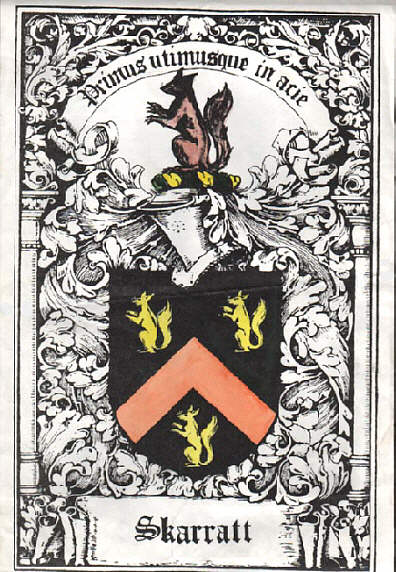





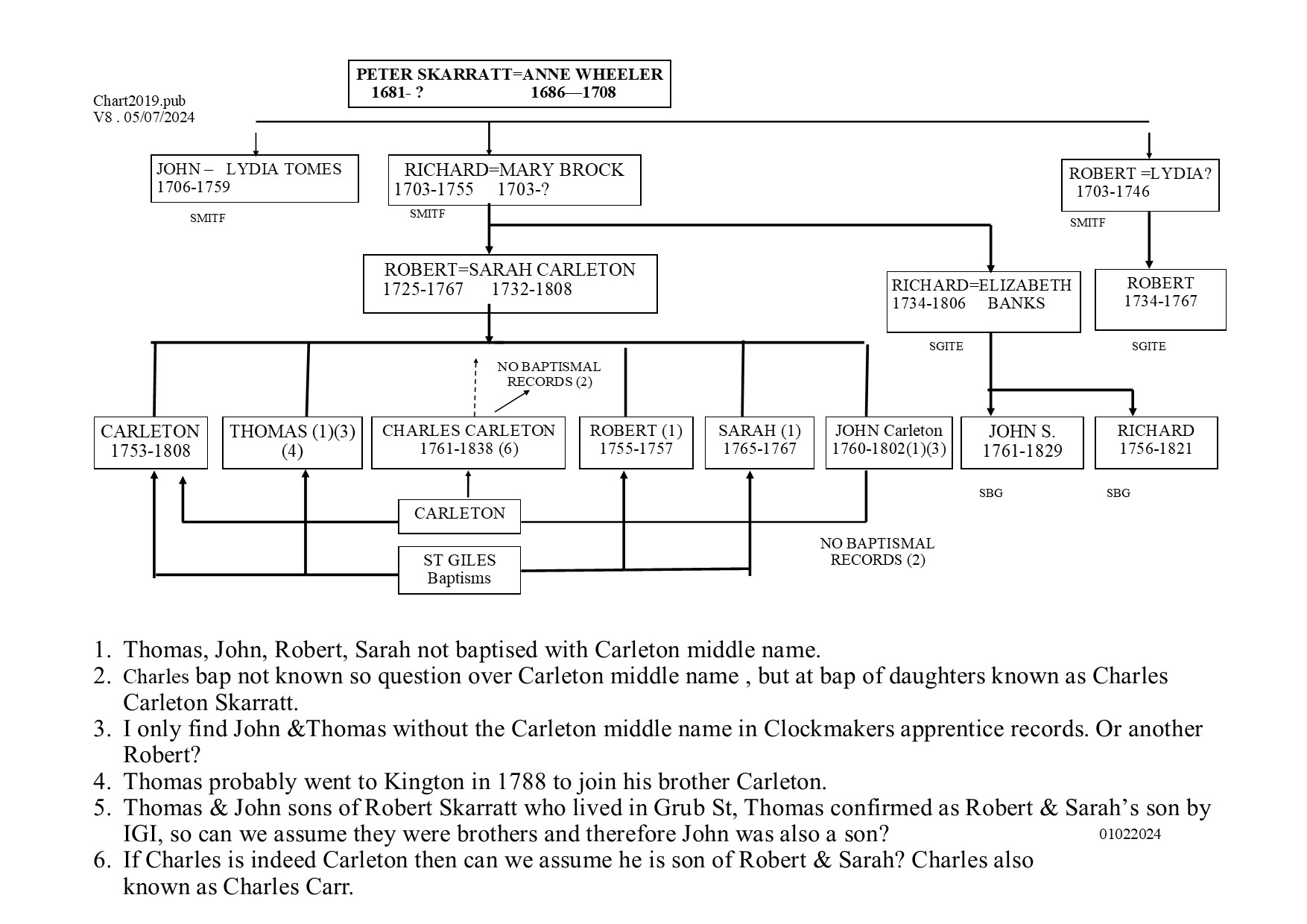

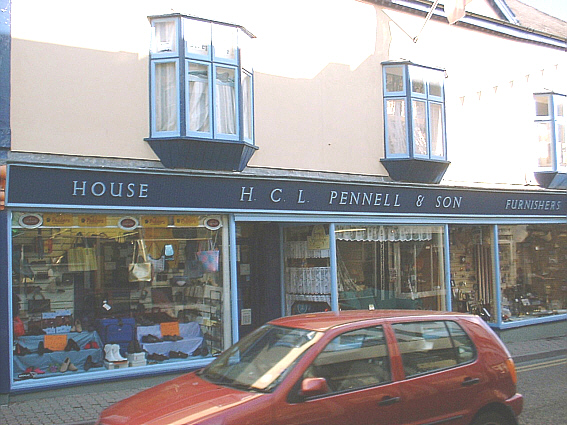
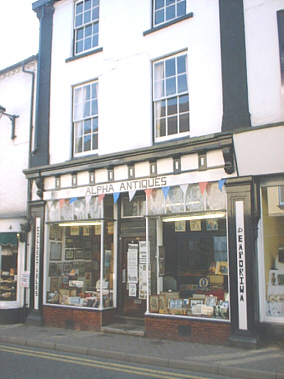
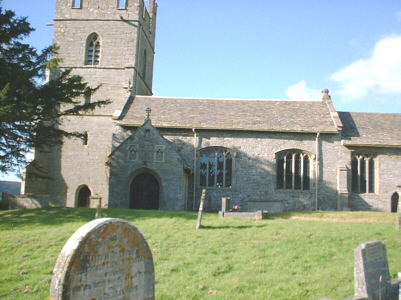
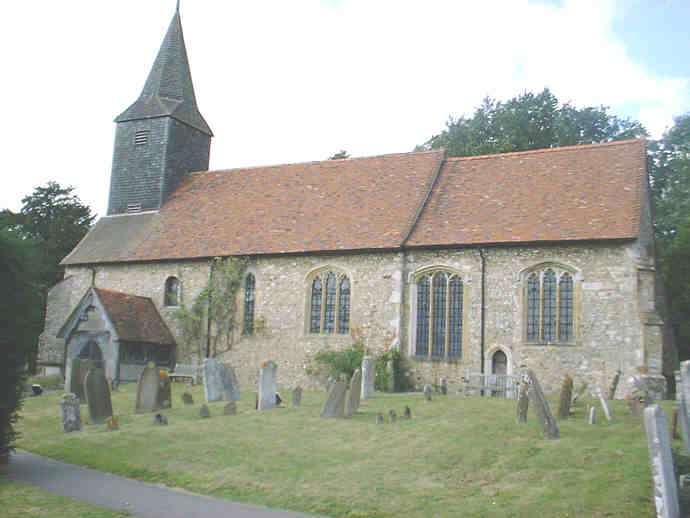
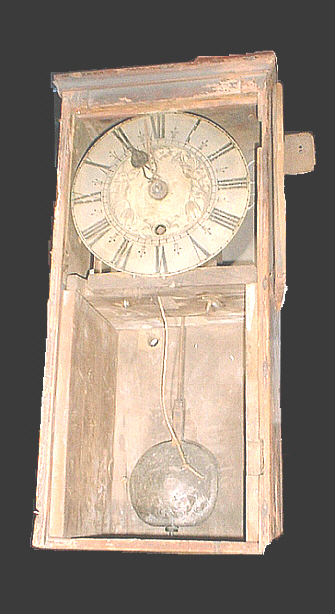
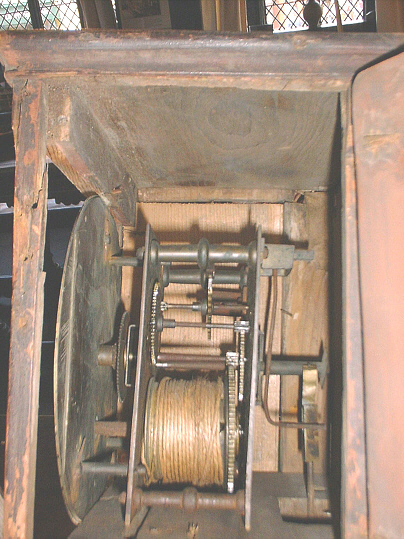
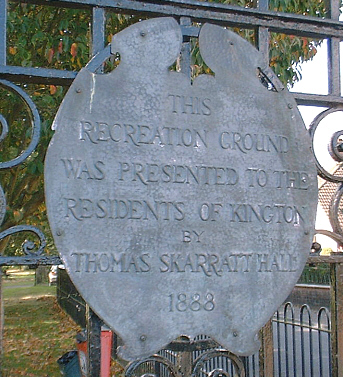
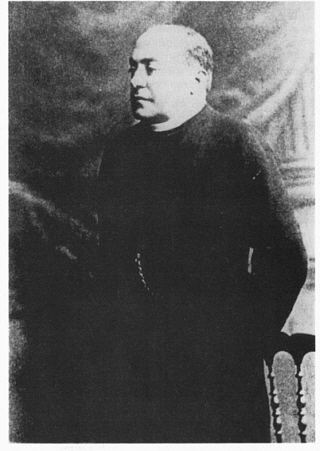
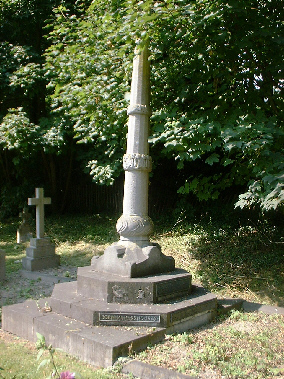
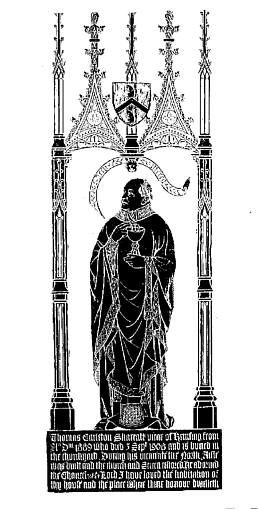
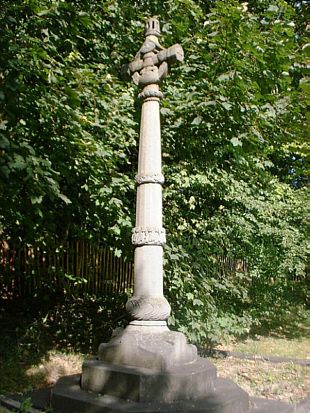
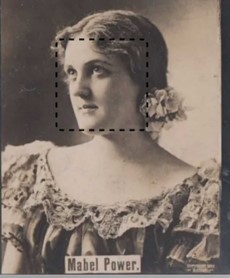
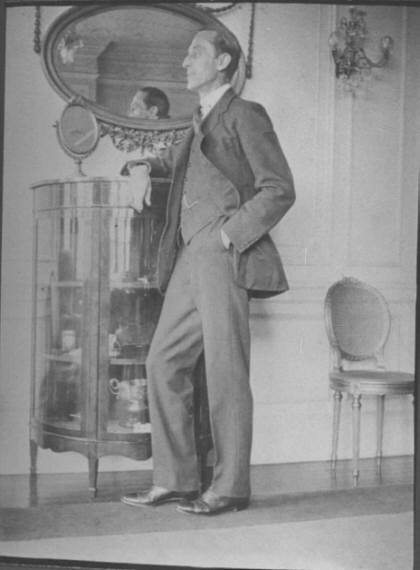
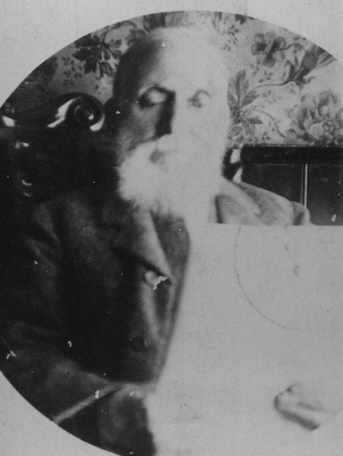
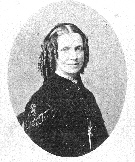
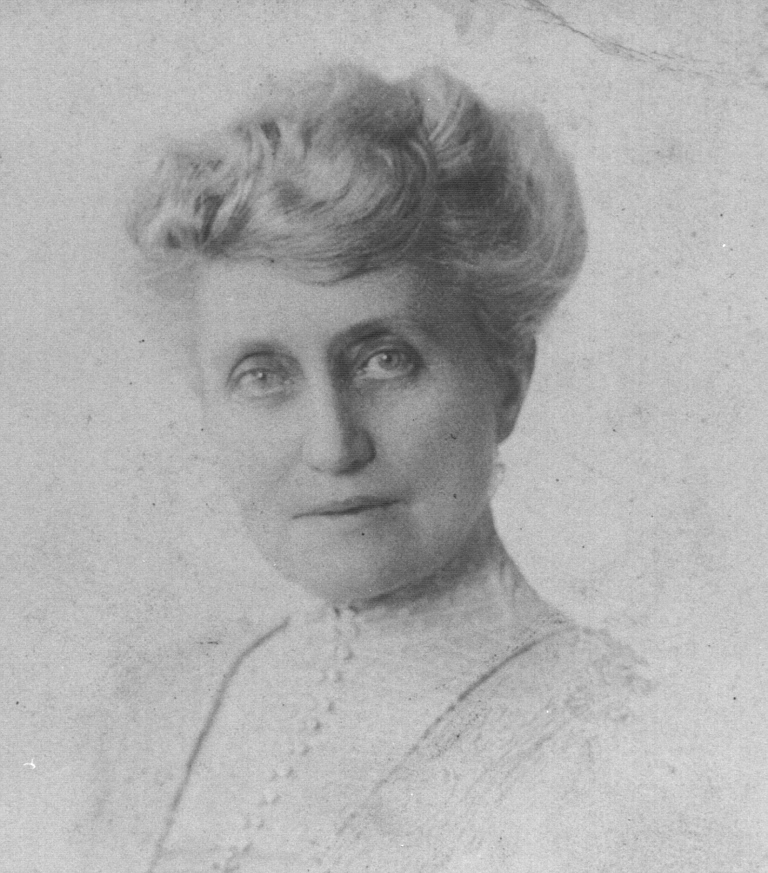
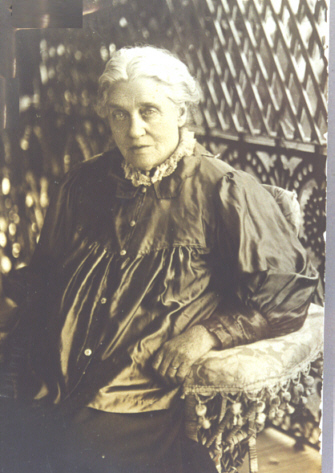
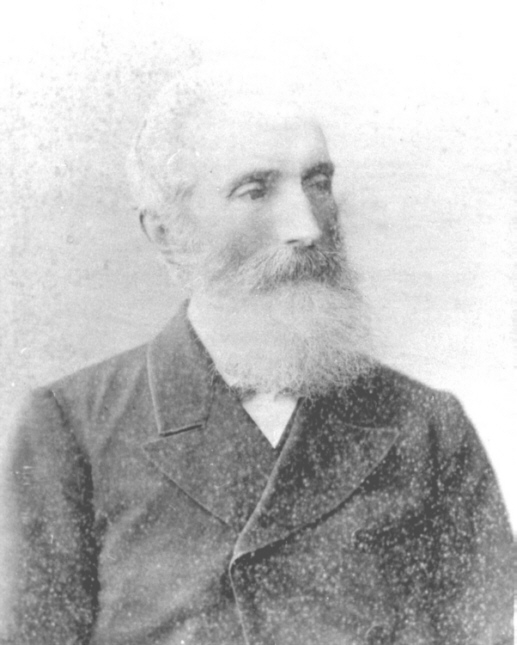
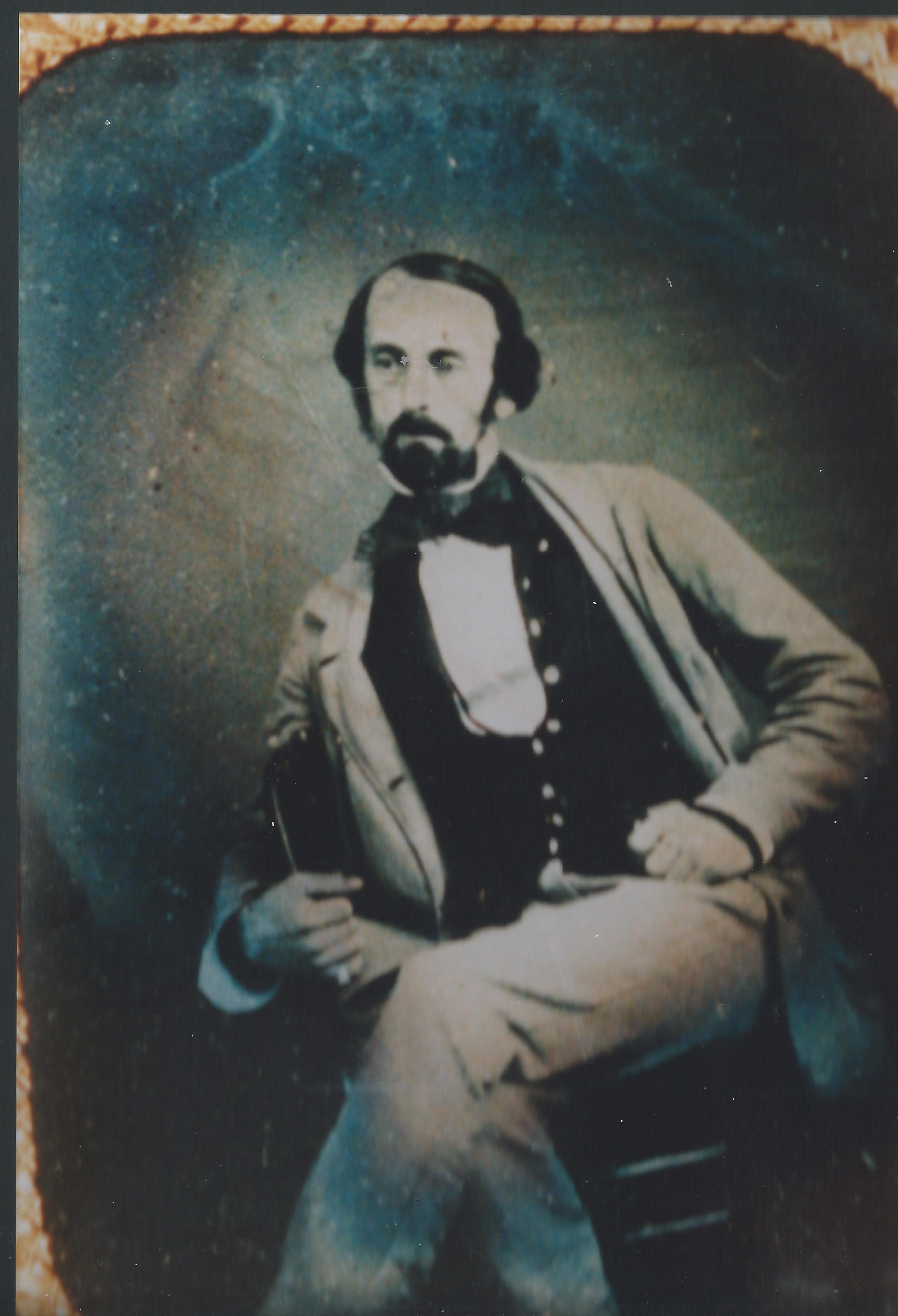
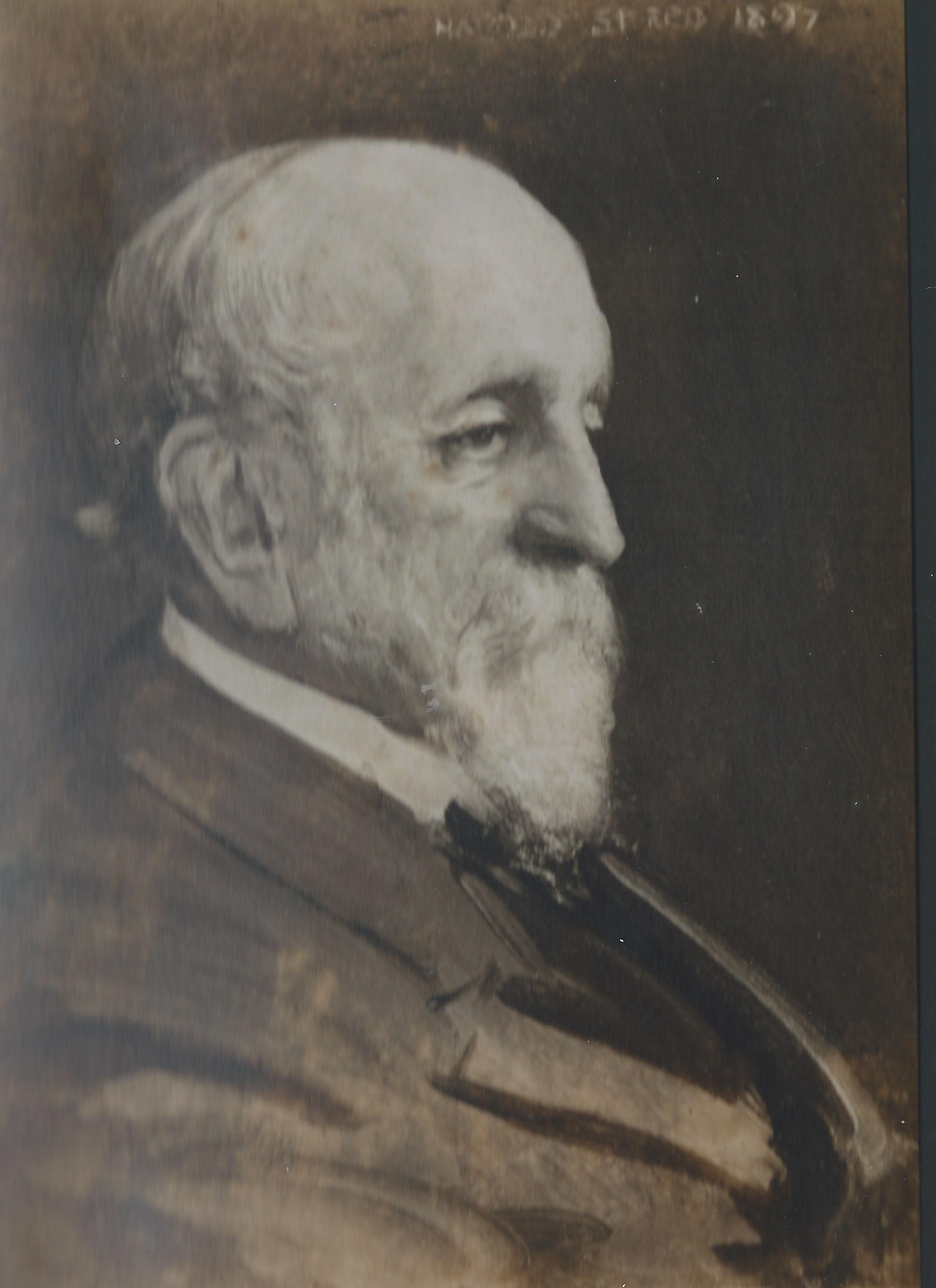
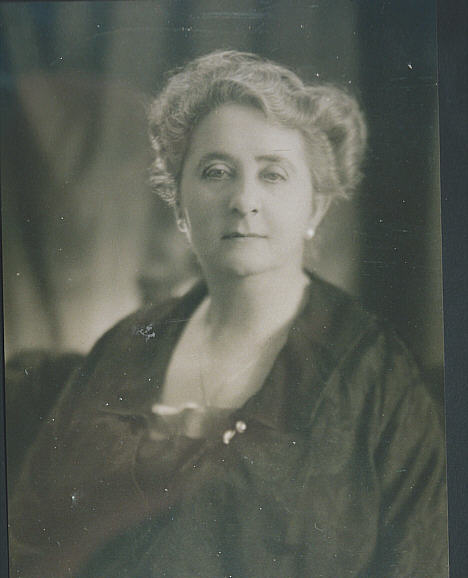
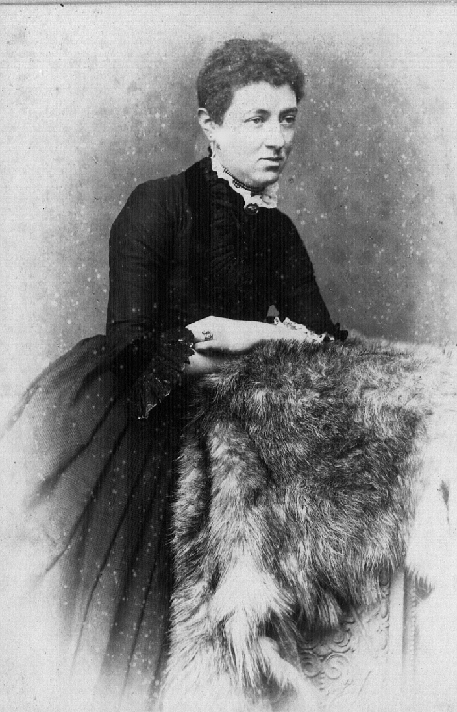
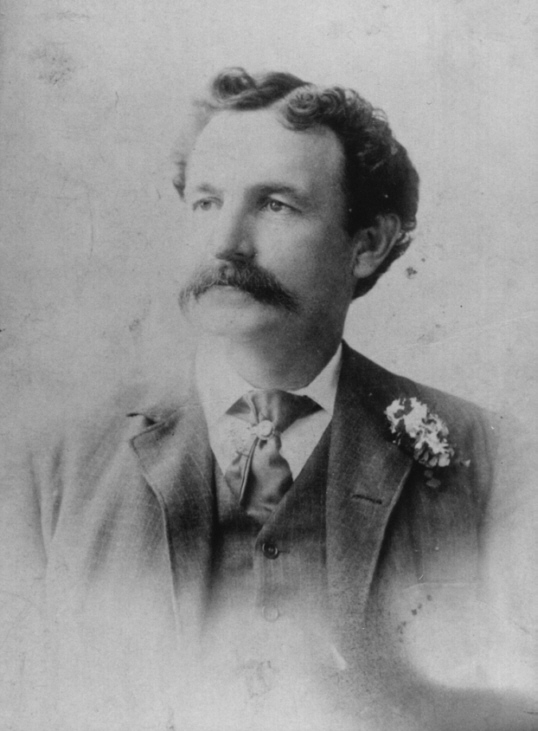
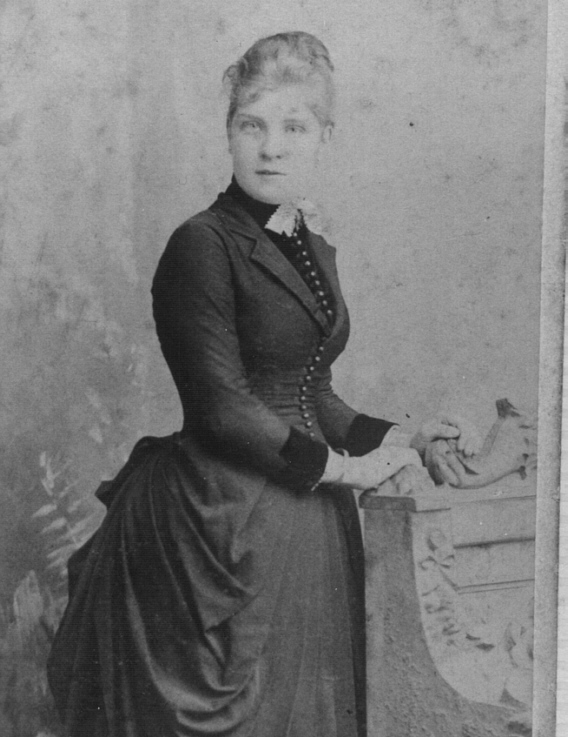
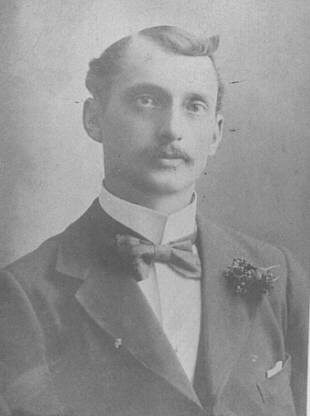
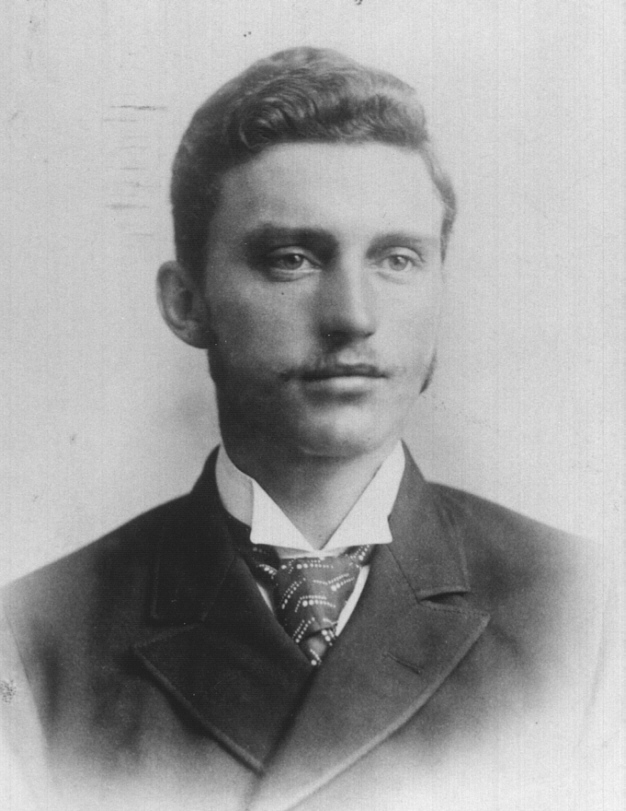
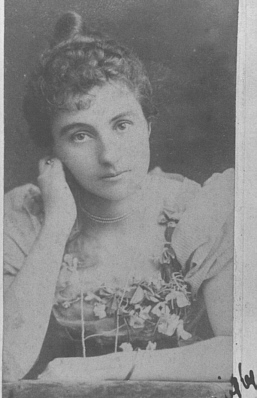
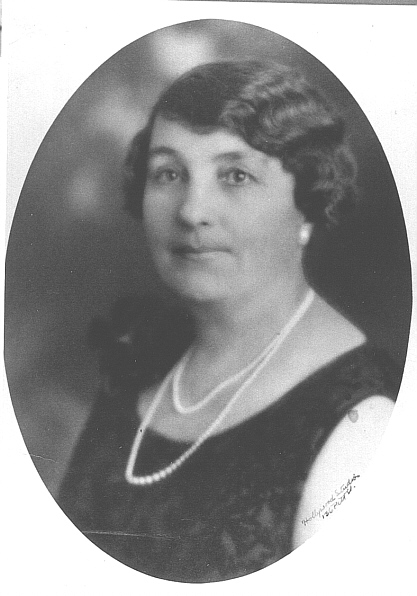
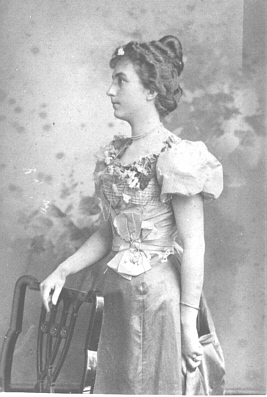
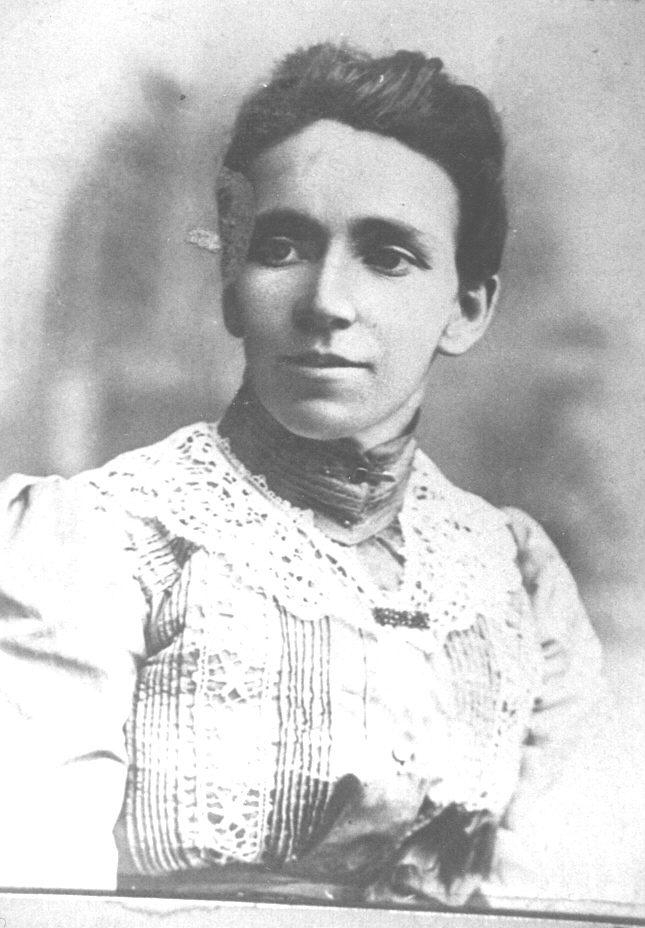
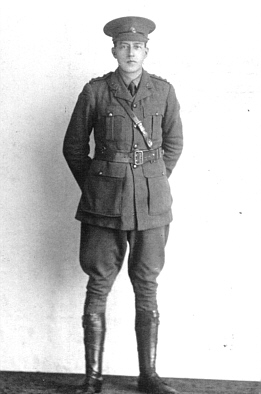
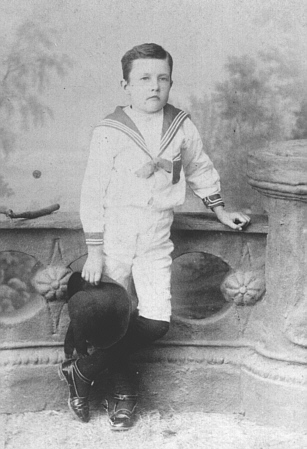
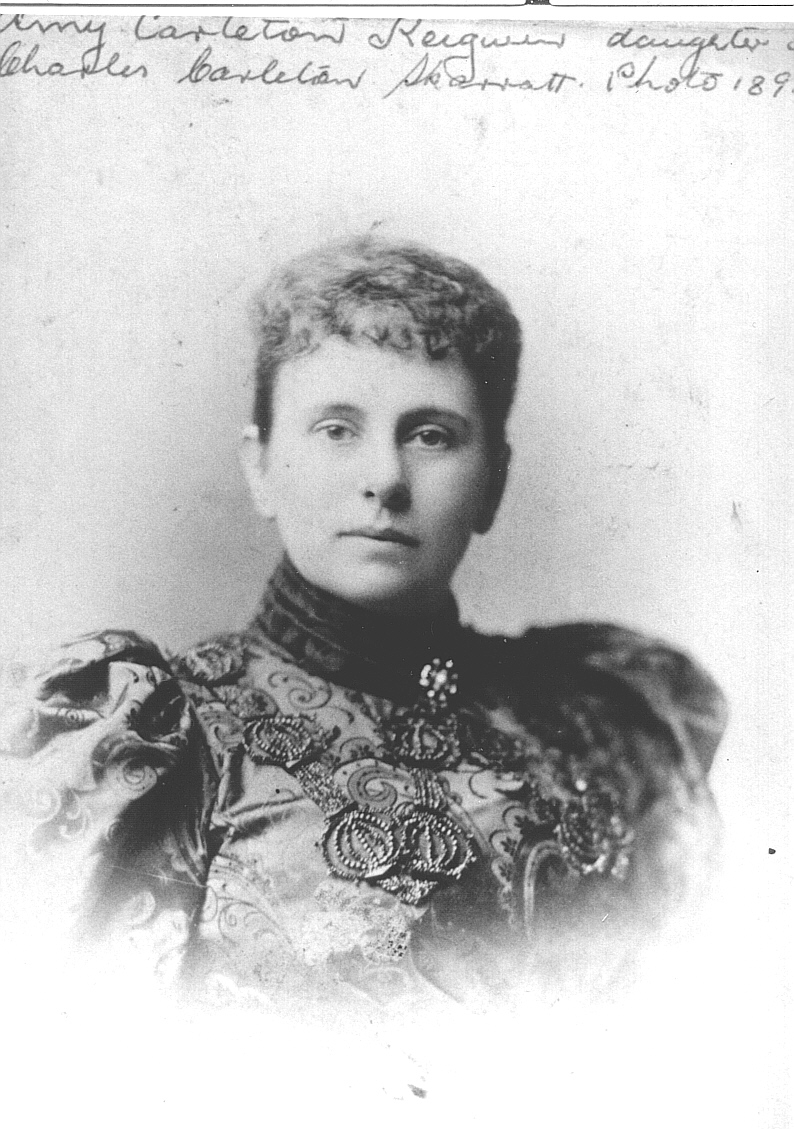
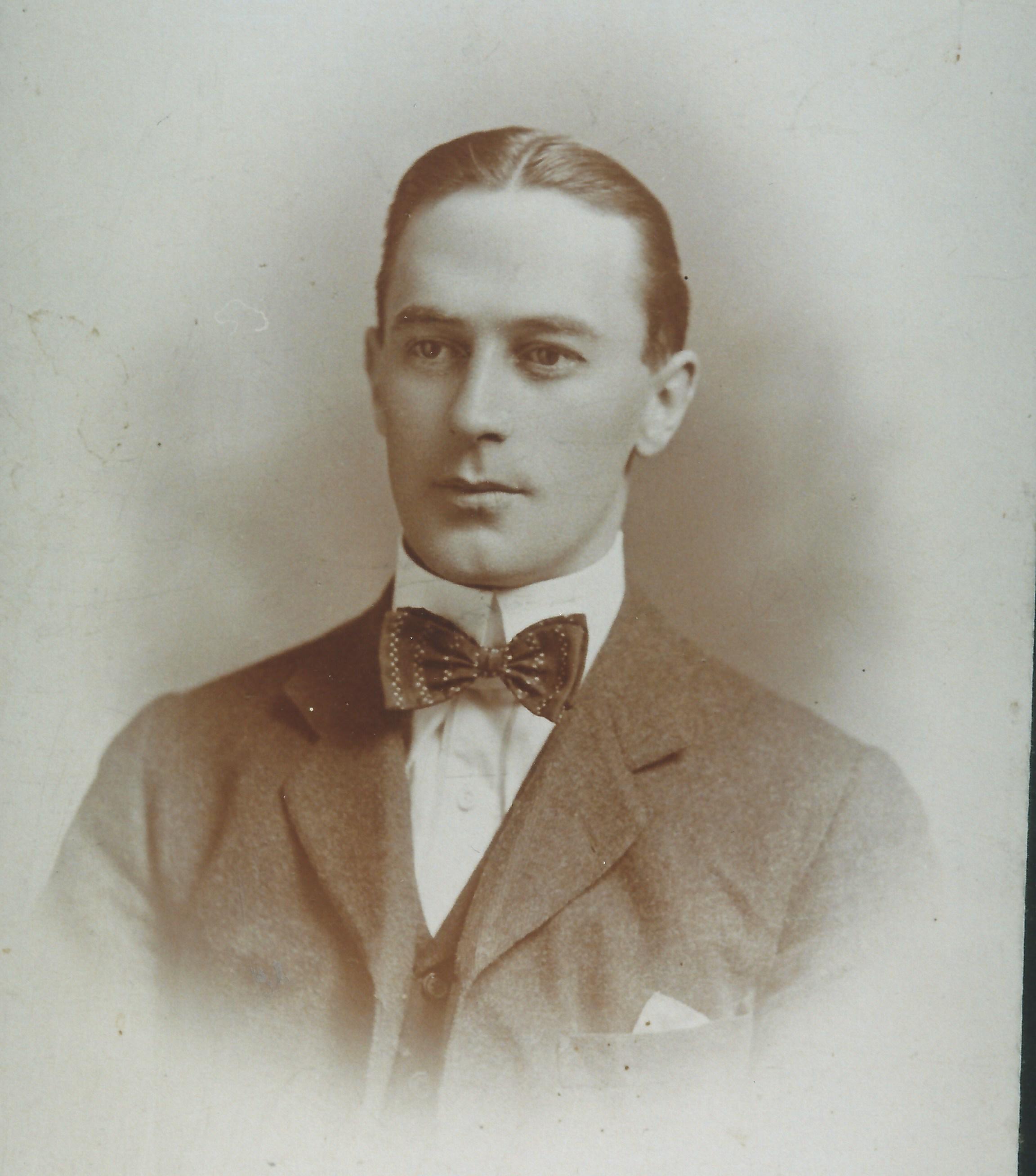
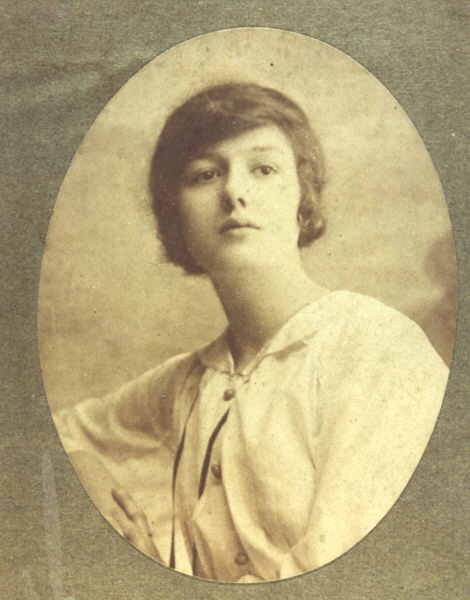
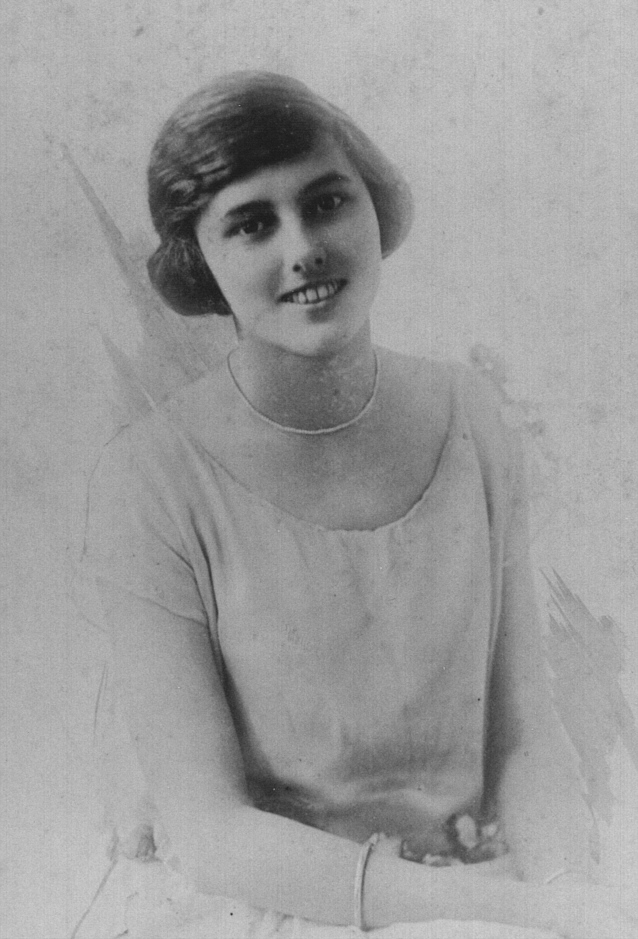
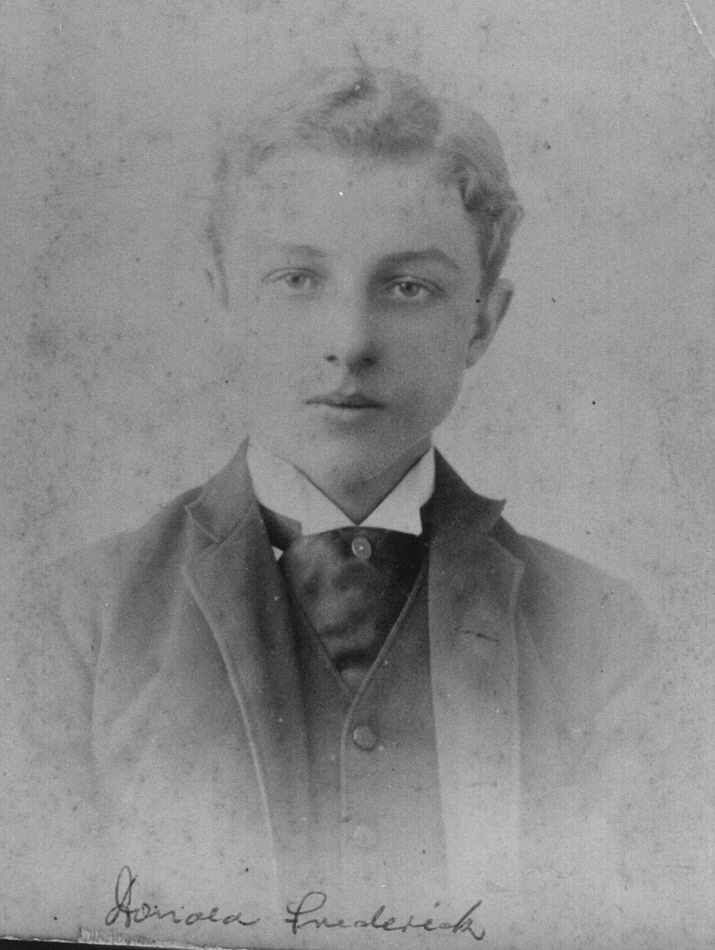
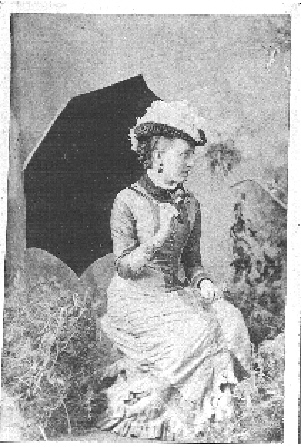
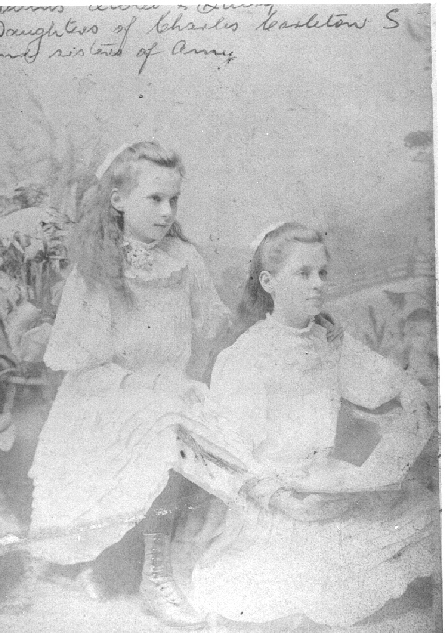
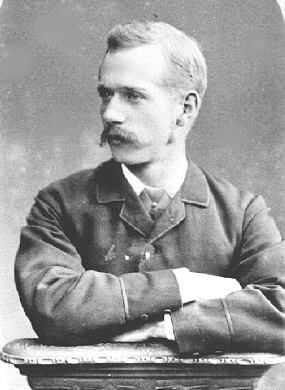
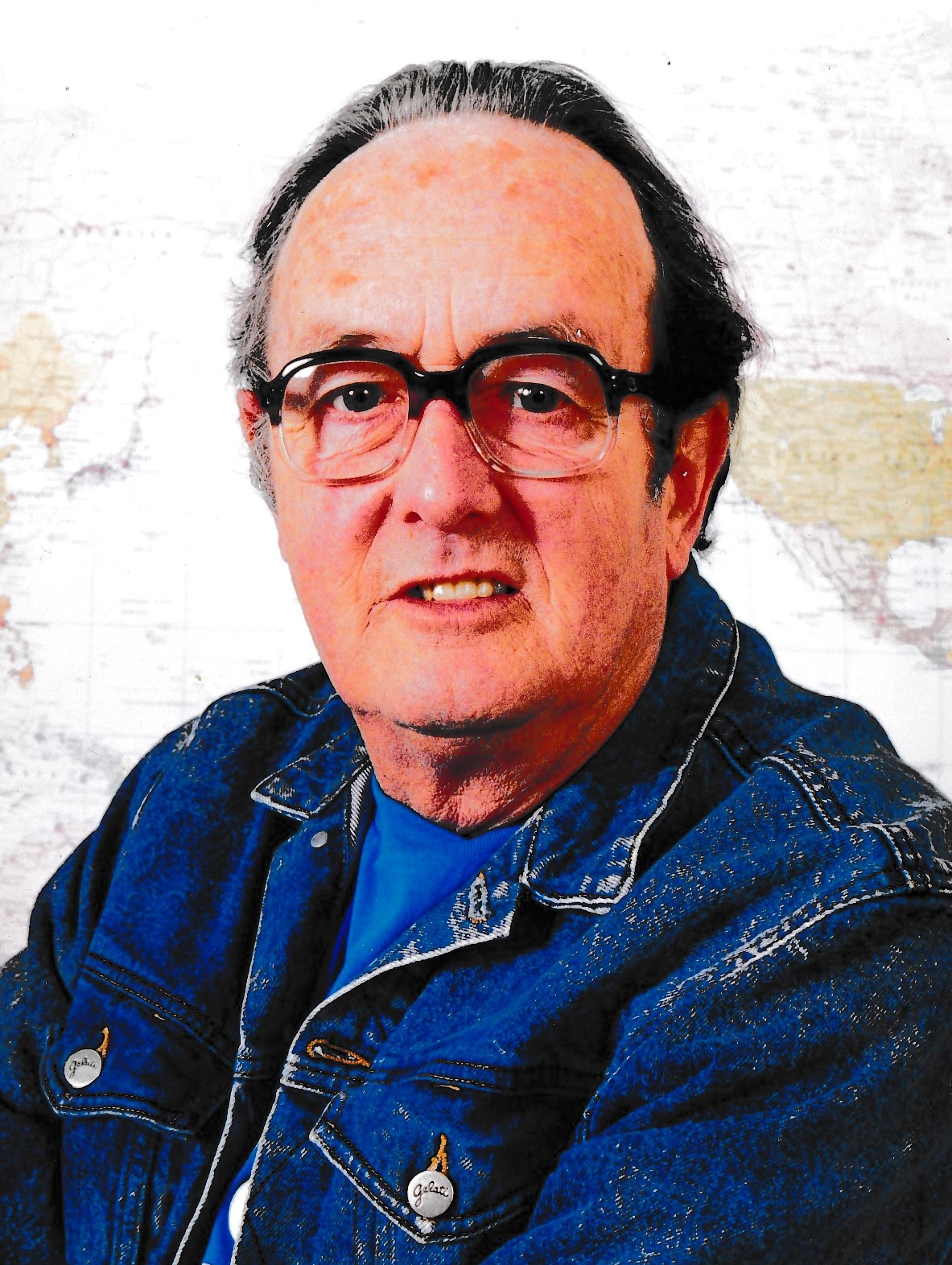


 I believe this to be a portrait of John Marti skarratt 1795-1859.